

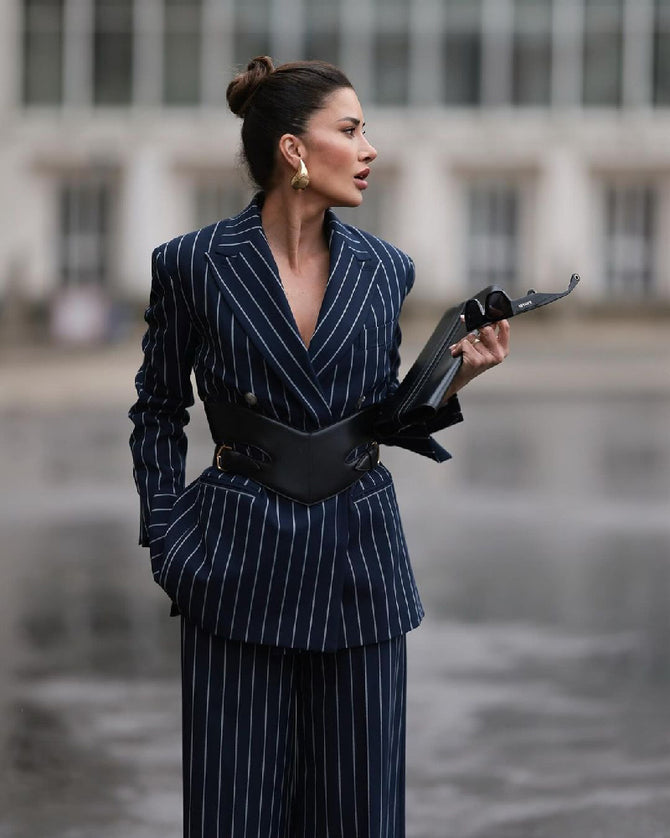


You said yes to being a bridesmaid. The group chat is buzzing, the color palette is being discussed, and then the practical question appears: do bridesmaids pay for their own dresses? In many weddings, yes, bridesmaids are expected to buy their own bridesmaid dress. But that is not a universal rule, and the most thoughtful answer depends on the couple’s budget, the wedding location, the dress requirements, and what the bridal party can reasonably afford.
Whether you are a bridesmaid trying to understand what you may need to pay for, a bride trying to choose dresses that will not stress out your friends, or a maid of honor helping everyone coordinate, you will find a practical way to talk about bridesmaid dress costs, avoid awkward surprises, and choose dresses that feel beautiful, wearable, and budget-aware.
The best bridesmaid dress plan is not just about who pays. It is about clarity. When everyone knows the budget, color direction, timeline, and flexibility level early, the dress becomes part of the celebration instead of a source of stress.
Quick Jump Links
- Quick Answer: Do Bridesmaids Pay for Their Own Dresses?
- Who Usually Pays for Bridesmaid Dresses?
- What Costs Are Bridesmaids Usually Expected to Cover?
- When the Bride or Couple May Pay
- How to Talk About the Dress Budget
- How to Choose Bridesmaid Dresses That Feel Fair
- Matching vs. Mismatched Bridesmaid Dresses
- How to Choose a Dress You Can Rewear
- When to Buy Bridesmaid Dresses
- How to Save Money Without Looking Under-Dressed
- Shop Wedding-Ready Dresses at Uoozee
- FAQ
Quick Answer: Do Bridesmaids Pay for Their Own Dresses?
In many modern weddings, bridesmaids pay for their own dresses. That usually means each bridesmaid buys the dress selected by the bride or chooses a dress within the bride’s color and style guidelines. Bridesmaids may also pay for alterations, shoes, accessories, travel, and beauty services depending on the wedding plan.
However, the answer can change depending on the situation. The bride or couple may pay for the dresses if they require a very specific style, choose an expensive designer dress, want a highly uniform bridal-party look, or know that the cost may be difficult for the group. Sometimes the couple pays for part of the outfit, such as the dress, while bridesmaids cover shoes or accessories.
A fair starting point is this: if you ask someone to wear something very specific, expensive, or unlikely to be worn again, it is considerate to help with the cost. If the bridesmaids are given a flexible color, a reasonable budget, and freedom to choose a flattering style, it is more common for them to pay for their own dresses.
Who Usually Pays for Bridesmaid Dresses?
In many U.S. weddings, bridesmaids buy their own dresses
If you are shopping for a U.S. wedding, you may hear that bridesmaids usually pay for their own dresses. This is common because being in a bridal party often comes with personal expenses. Still, “common” does not mean “automatic.” A thoughtful bride will communicate the expected cost before asking everyone to commit.
In some families or cultures, the couple pays
Wedding customs vary by region, culture, family tradition, and budget. In some weddings, the couple covers bridesmaid dresses because they see the outfit as part of the wedding styling. In others, bridesmaids buy their own dresses as their contribution to the day. If you are unsure, ask early and politely instead of assuming.
The person choosing the dress should consider the cost
Cost matters most when the choice is not flexible. If every bridesmaid must buy the exact same gown, in the exact same shade, from the exact same store, the bride should be especially careful about price, sizing, shipping, and alteration costs. If each bridesmaid can choose her own dress within a color family, the group has more control over budget.
The fairest plan is the clearest plan
Most tension comes from surprise expenses. A dress that costs $90 may feel manageable if everyone knows early. A dress that costs $90 plus rush shipping, tailoring, shoes, jewelry, and professional hair may feel much heavier. Clear expectations protect friendships.
What Costs Are Bridesmaids Usually Expected to Cover?
When you ask “do bridesmaids pay for their own dresses,” you are usually asking about more than one dress. A bridesmaid outfit can include several hidden costs. Here is what may be included.
The bridesmaid dress
The dress is the main expense. It might be a formal maxi dress, satin-style gown, chiffon dress, midi dress, cocktail dress, or a more relaxed wedding guest-style dress. The more formal and specific the dress is, the less reusable it may be.
Alterations
Alterations can add up quickly. Hemming, strap adjustments, waist tailoring, bust adjustments, and steaming may be necessary, especially if the dress is floor-length. If you are a bride choosing dresses, remember that a lower dress price can still become expensive after tailoring.
Shoes
Some brides choose one shoe color, such as nude, gold, silver, black, or champagne. Others ask for a specific heel height or style. Bridesmaids usually appreciate flexibility here because many already own suitable shoes.
Accessories
Jewelry, hair accessories, clutches, wraps, and belts may be part of the final look. If the bride wants matching accessories, it is thoughtful for the couple to gift them or keep the cost low.
Hair and makeup
Beauty services are separate from the dress, but they affect the total cost of being a bridesmaid. If professional hair and makeup are required, many bridesmaids expect the couple to cover or contribute to the service. If it is optional, bridesmaids can decide what fits their budget.
Travel and event costs
Travel, hotel, bridal shower, bachelorette events, gifts, and meals may also be part of the overall bridesmaid budget. That is why dress affordability matters. A beautiful dress is easier to say yes to when the total wedding cost feels reasonable.
When the Bride or Couple May Pay for Bridesmaid Dresses
When the dress is expensive
If the bride chooses a high-priced dress, it is considerate to offer help. That could mean paying for the dress, contributing a set amount, choosing a more affordable alternative, or giving bridesmaids a color palette instead of one exact gown.
When the dress is very specific
If the bridal party must wear one exact silhouette, fabric, color, and brand, bridesmaids have less control. In that case, the couple should think carefully about budget and sizing. A specific look can be beautiful, but it should not create financial discomfort for close friends or family.
When the couple wants a luxury photo look
Some weddings are styled around a very polished, editorial bridal-party aesthetic. If the dresses are part of that visual investment, paying for them may be a kind gesture. Bridesmaids are there to support the wedding, not to fund the wedding’s entire styling plan.
When a bridesmaid is facing budget pressure
If one bridesmaid is a student, a new parent, between jobs, traveling from far away, or managing a tight budget, flexibility matters. You can offer a private solution without making anyone feel embarrassed: a lower-cost dress option, a payment deadline extension, or a matching color but different retailer.
When the dress is a gift
Some brides choose to give the dress as a bridesmaid gift. This works especially well when the dress is not very reusable or when the bride wants everyone in a coordinated look. If you do this, still choose a style that respects body types, comfort, and movement.
How to Talk About the Dress Budget Without Awkwardness
If you are the bride
Talk about budget before you send dress links. A simple message can save everyone stress: “I’m hoping to keep bridesmaid dresses under $100, and I’m open to different styles in the same color family.” That sentence immediately tells your friends you care about their comfort and finances.
You can also ask privately if the budget works. Group chats can make people feel pressured to agree, even when they are worried about cost. A private check-in gives each bridesmaid room to be honest.
If you are a bridesmaid
If the dress cost feels too high, speak up early and kindly. You can say, “I love the look you’re going for. My budget is closer to $80–$100 for the dress—would you be open to a similar style in the same color?” This keeps the focus on the wedding vision while being clear about your limit.
If you are the maid of honor
You can help by gathering sizes, comfort preferences, and budget ranges. You are not there to force everyone into a dress. You are there to make the process smoother. A small spreadsheet or shared note with price, color, delivery time, and size availability can prevent last-minute panic.
How to Choose Bridesmaid Dresses That Feel Fair
Set a realistic price range
A realistic price range is one the majority of your bridesmaids can afford without resentment. If the group includes people at different income levels, choose the lower range. You can still create a beautiful bridal-party look with thoughtful color, silhouette, and styling.
Choose a flattering color family
Instead of one exact shade, consider a color family: dusty rose, sage green, navy, champagne, burgundy, soft blue, black, or jewel tones. Color-family dressing makes it easier for bridesmaids to find dresses that suit their skin tone and budget.
Allow different silhouettes
Not every bridesmaid feels good in the same neckline or hemline. One person may love a halter maxi dress; another may prefer sleeves, a midi length, or a wrap shape. If the color is coordinated, mixed silhouettes can still look elegant in photos.
Think about the venue
A beach wedding may call for breathable maxi dresses or flowy midi dresses. A city evening wedding may call for more structured dresses. A garden wedding may look beautiful with soft colors and romantic details. A winter wedding may need sleeves, wraps, or richer fabrics.
Prioritize comfort
Bridesmaids stand, walk, sit, hug, dance, and pose for photos. A dress that looks perfect for five minutes but feels uncomfortable for six hours is not a good choice. Look for dresses that allow movement, comfortable undergarments, and realistic shoes.
Matching vs. Mismatched Bridesmaid Dresses
Matching dresses
Matching dresses create a clean, traditional bridal-party look. They are simple to photograph and easy to describe. The downside is that one silhouette rarely flatters every height, body shape, and personal style. Matching dresses also leave less room for budget flexibility.
Mismatched dresses
Mismatched bridesmaid dresses are popular because they feel modern and personal. You can choose one color family and let each bridesmaid pick her own neckline, sleeve length, and hemline. This can be more comfortable and more affordable, especially if the bridal party is buying their own dresses.
Same color, different styles
This is the easiest compromise. Everyone wears the same general shade, but the silhouettes vary. For example, one bridesmaid may choose a sleeveless pleated maxi, another a midi dress with sleeves, and another a cape-style evening dress. The group still looks coordinated, but each person feels more like herself.
Same style, different shades
This works well for ombré bridal parties or seasonal color stories. Think champagne to taupe, blush to rose, sage to forest, or dusty blue to navy. This approach looks intentional when the colors are chosen carefully and the fabrics feel related.
How to Choose a Bridesmaid Dress You Can Rewear
If you are paying for your own bridesmaid dress, rewear potential matters. A dress that works beyond the wedding feels less like a one-day expense and more like a useful wardrobe piece.
Look for simple silhouettes
Clean midi dresses, pleated maxi dresses, wrap-inspired shapes, and solid-color evening dresses are easier to restyle than overly themed gowns. If the dress does not scream “bridal party,” you can wear it again for dinners, vacations, parties, holiday events, and other weddings.
Choose wearable colors
Black, navy, green, burgundy, champagne, dusty rose, and soft blue tend to be easier to rewear than very unusual shades. If the bride is flexible, choose a color that works with your existing shoes and accessories.
Avoid details that limit styling
Extremely shiny fabric, overly dramatic trains, very specific embellishment, or unusual cutouts may make a dress harder to rewear. That does not mean you should avoid statement details completely. Just think about whether you would choose the dress for another occasion.
Plan the second outfit before you buy
Before purchasing, imagine at least two future outfits. Could you wear the dress with sandals for vacation? With a blazer for dinner? With boots and a coat in fall? If you can picture it beyond the wedding, it is a smarter buy.
When to Buy Bridesmaid Dresses
Start early
Bridesmaid dresses should be chosen early enough to allow ordering, delivery, returns, exchanges, and alterations. If the wedding has a strict color palette, start even earlier so sizes do not sell out.
Check size charts carefully
Do not order based only on your usual size. Look at bust, waist, hip, shoulder, and length measurements. Different fabrics and silhouettes fit differently, especially formal and semi-formal dresses.
Leave time for alterations
Floor-length dresses often need hemming. Dresses with structured waists or fitted bodices may need small adjustments. If you wait until the last minute, alteration costs can rise and options become limited.
Try the full outfit before the wedding week
Try the dress with the shoes, bra, shapewear, jewelry, and bag you plan to wear. Sit, walk, raise your arms, and check the look in natural light. The goal is to find problems before the wedding day.
How to Save Money Without Looking Under-Dressed
Use one color direction instead of one exact dress
The easiest way to lower cost is flexibility. If the bride says “any sage dress in a midi or maxi length,” bridesmaids can shop sales, choose flattering cuts, and find dresses in their own budget.
Choose a dress with simple styling power
A simple dress can look elegant with the right accessories. A pleated maxi, solid-color midi, or clean evening dress may not need much more than earrings, a small clutch, and polished shoes.
Wear shoes you already own
If the shoe color is flexible, bridesmaids can often wear nude, gold, silver, black, or neutral heels they already have. This can reduce the total cost without changing the wedding look.
Borrow or simplify accessories
You do not always need new jewelry or a new bag. Simple earrings, a delicate necklace, or a small evening clutch can be enough. If the bride wants a matching accessory, it can also work beautifully as a bridesmaid gift.
Shop for rewearable event dresses
Instead of searching only for traditional bridesmaid gowns, look for wedding guest dresses, evening dresses, midi dresses, and maxi dresses in the right color. You may find pieces that feel more wearable, more affordable, and easier to style later.
Shop Wedding-Ready Dresses at Uoozee
If you are a bridesmaid paying for your own dress, choose something that works for the wedding and your wardrobe. If you are a bride choosing for your bridal party, look for styles that balance color coordination, comfort, price, and rewear potential. At uoozee, you can build a bridal-party look around elegant silhouettes, soft colors, dressy details, and practical accessories.
Start with the right collection
 Wedding Guest Dresses
Use this collection when you want dresses that feel polished for weddings but still rewearable.
Wedding Guest Dresses
Use this collection when you want dresses that feel polished for weddings but still rewearable.
 Evening Dresses
A good direction for dressier bridal parties, evening ceremonies, and more formal photo moments.
Evening Dresses
A good direction for dressier bridal parties, evening ceremonies, and more formal photo moments.
 Maxi Dresses
Maxi dresses create a graceful bridesmaid look and work well for garden, church, and evening weddings.
Maxi Dresses
Maxi dresses create a graceful bridesmaid look and work well for garden, church, and evening weddings.
 Evening Bags & Clutches
A small clutch can make a simple bridesmaid dress feel more finished without adding much bulk.
Evening Bags & Clutches
A small clutch can make a simple bridesmaid dress feel more finished without adding much bulk.
Try these outfit-building pieces
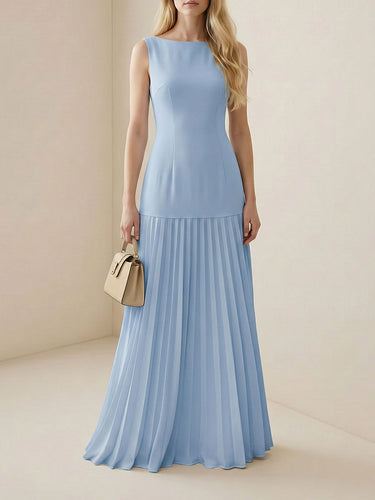
 Sleeveless Gauze Pleated Solid Color Boat-Neck Maxi Dress
A soft pleated maxi can work for coordinated bridesmaid looks in romantic wedding colors.
Sleeveless Gauze Pleated Solid Color Boat-Neck Maxi Dress
A soft pleated maxi can work for coordinated bridesmaid looks in romantic wedding colors.
 Long-Sleeve Pleated Tiered Round-Neck Maxi Dress
A long-sleeve pleated dress is useful for fall, spring, and cooler-weather bridal parties.
Long-Sleeve Pleated Tiered Round-Neck Maxi Dress
A long-sleeve pleated dress is useful for fall, spring, and cooler-weather bridal parties.
 A-Line Loose Pleated Solid Color Midi Dress
A midi dress is a smart option for less formal weddings, courthouse ceremonies, or flexible dress codes.
A-Line Loose Pleated Solid Color Midi Dress
A midi dress is a smart option for less formal weddings, courthouse ceremonies, or flexible dress codes.
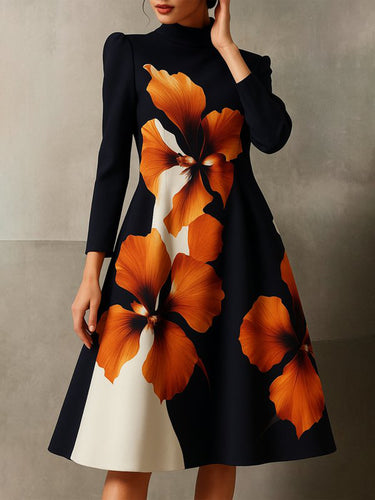 A-Line Flower Print Mock-Neck Midi Dress
A rewearable midi dress can work for less formal weddings, bridal events, or post-wedding occasions.
A-Line Flower Print Mock-Neck Midi Dress
A rewearable midi dress can work for less formal weddings, bridal events, or post-wedding occasions.
When you shop, start with the wedding tone: formal, semi-formal, garden, beach, city, courthouse, or destination. Then choose a price range and color direction before choosing silhouettes. A bridesmaid dress should support the wedding vision, but it should also feel good enough to wear with confidence.
Shop Wedding-Ready Styles at Uoozee
FAQ – Do Bridesmaids Pay for Their Own Dresses?
Do bridesmaids pay for their own dresses?
In many weddings, yes, bridesmaids pay for their own dresses. However, customs vary. The bride or couple may pay if they choose a very specific or expensive dress, or if they want to reduce the financial burden on the bridal party.
Is it rude to ask bridesmaids to pay for their dresses?
It is not necessarily rude, but it should be handled clearly and respectfully. The bride should share the expected budget early and choose dresses that are reasonable for the group.
How much should a bridesmaid dress cost?
There is no single correct amount. A good budget is one that your bridal party can afford without stress. Many groups prefer affordable dresses that look polished and can be worn again.
Who pays for bridesmaid dress alterations?
Bridesmaids often pay for their own alterations, but the couple may choose to help if the dress requires specific tailoring or if the alteration cost becomes significant.
Does the bride pay for bridesmaid shoes?
Sometimes, but not always. If the bride requires one exact shoe, it is thoughtful to pay for it or choose a very affordable option. If the shoe color is flexible, bridesmaids usually wear or buy their own.
Should the bride pay for hair and makeup?
If professional hair and makeup are required, many bridesmaids appreciate when the bride or couple pays. If beauty services are optional, bridesmaids can decide whether to book them.
What if a bridesmaid cannot afford the dress?
Talk privately and early. A lower-cost dress, flexible color palette, payment help, or different silhouette may solve the issue without making anyone feel uncomfortable.
Can bridesmaids choose their own dresses?
Yes. Many modern weddings use mismatched bridesmaid dresses. The bride can set a color, length, fabric direction, or formality level while letting each bridesmaid choose a flattering style.
Are mismatched bridesmaid dresses okay?
Yes. Mismatched dresses can look beautiful when the colors, lengths, or fabrics are coordinated. They also give bridesmaids more freedom with budget, fit, and personal style.
What dress colors are best for bridesmaids?
Popular bridesmaid dress colors include sage, dusty rose, navy, champagne, burgundy, black, soft blue, lavender, emerald, and neutral tones. The best color depends on the wedding season, venue, and overall palette.
How can bridesmaids save money on dresses?
Choose flexible color guidelines, shop wedding guest or evening dress collections, use shoes you already own, keep accessories simple, and choose a dress you can wear again.
When should bridesmaids buy their dresses?
Bridesmaids should buy dresses early enough for shipping, exchanges, and alterations. Start sooner if the wedding requires a specific color or if the bridal party has many different sizes to coordinate.
