




You found a dress you love, but the fit is almost right instead of perfect. Maybe the straps slide down, the waist is a little loose, the hem touches the floor, or the zipper feels strained when you sit. That is when the real question appears: how much do alterations cost for a dress?
The short answer is that simple dress alterations often cost less than major reshaping, but the final price depends on the fabric, layers, lining, embellishment, zipper placement, hem length, and how much the dress needs to change. A small strap adjustment may be affordable. Shortening a lined maxi dress or resizing a formal dress can cost much more.
You will learn typical dress alteration price ranges, which fixes are usually worth it, when tailoring can save a dress, and when it is better to buy a better-fitting dress from the start.
Quick Jump Links
- Quick Answer: How Much Do Dress Alterations Cost?
- Dress Alteration Cost Guide by Service
- Why Alteration Prices Vary So Much
- Common Dress Alterations and What They Fix
- Alteration Costs by Dress Style
- When Alterations Are Worth the Money
- When You Should Skip Alterations
- How to Shop Online to Avoid Expensive Alterations
- What to Bring to a Fitting
- How Long Dress Alterations Take
- How to Budget Before You Buy a Dress
- Shop Alteration-Friendly Dresses at Uoozee
- FAQ
Quick Answer: How Much Do Dress Alterations Cost?
For everyday dresses, cocktail dresses, wedding guest dresses, and many evening dresses, you can usually expect simple alterations to cost about $15 to $75 and more involved dress alterations to cost $75 to $200 or more. Bridal gowns, heavily beaded dresses, multi-layer formal gowns, and major redesigns can cost much more.
Here is the practical way to think about it. A tailor is not just sewing a straight line. She may need to open seams, preserve the shape of the dress, work around lining, match fabric layers, reset a zipper, handle delicate fabric, and make sure the dress still hangs correctly after the change. That is why two “simple hems” can have very different prices.
If you are asking, “Is it worth altering this dress?” compare the alteration quote with the dress price and how often you will wear it. A $35 hem on a dress you will wear all season can be a great investment. A $160 restructure on a dress you are not sure you love may be a sign to choose a better fit instead.
Dress Alteration Cost Guide by Service
Prices vary by city and tailor, but these ranges give you a useful starting point when you are budgeting for a dress. Always ask for a quote after the tailor sees the dress in person.
| Alteration | Typical price range | Best for |
|---|---|---|
| Shorten a simple hem | $15–$65 | Casual dresses, midi dresses, simple skirts |
| Shorten a lined or layered hem | $45–$150+ | Maxi dresses, evening dresses, chiffon or multi-layer styles |
| Adjust straps or shoulders | $15–$60 | Dresses that gap at the neckline or slide down |
| Take in sides or waist | $25–$100+ | Dresses that fit the hips but feel loose in the bodice or waist |
| Let out seams | $30–$120+ | Dresses that are slightly tight and have enough seam allowance |
| Shorten sleeves | $20–$75+ | Long-sleeve dresses, shirt dresses, formal sleeve adjustments |
| Replace or repair zipper | $25–$100+ | Dresses with stuck, weak, broken, or strained zippers |
| Major reshaping or redesign | $120–$300+ | Complex formal dresses, drastic size changes, neckline changes |
These estimates are not a promise from any tailor. They are a planning tool. Your actual quote can be lower or higher depending on where you live, how busy the tailor is, and how difficult the garment is to work on.
Why Alteration Prices Vary So Much
1) Fabric changes the difficulty
Cotton blends, simple polyester, and stable woven fabrics are usually easier to alter. Satin, chiffon, lace, velvet, pleats, mesh, sequins, and slippery fabrics require more care. If the fabric shifts, frays, stretches, or shows needle marks, the tailor needs more time.
2) Lining adds labor
A lined dress is basically two garments connected together. If your dress has a lining, the tailor may need to alter both the outer layer and inner layer so the dress hangs smoothly. This is why a lined evening dress hem can cost much more than a simple sundress hem.
3) Layers and fullness add time
A narrow midi dress has less hem to sew than a full maxi dress. If your dress has tiers, ruffles, pleats, flounce, or multiple chiffon layers, hemming takes longer. More fabric usually means more labor.
4) Embellishment can raise the price
Beading, sequins, appliqué, lace trim, embroidery, and decorative edges can make alterations more expensive. The tailor may need to remove embellishment, sew the alteration, and then reattach details by hand.
5) Size changes are not always simple
Taking in a dress one inch may be straightforward. Reshaping a dress across the bust, waist, hips, zipper, and neckline is more complex. If the proportions change, the tailor has to protect the balance of the whole dress.
6) Your location matters
Alteration prices tend to be higher in large cities, bridal districts, luxury retail areas, and busy wedding seasons. A quick hem at a neighborhood tailor can cost less than a formal gown alteration at a bridal studio.
Common Dress Alterations and What They Fix
Hemming
Hemming shortens the length of the dress. You may need it if the dress drags on the floor, catches under your heel, or hits at an awkward point on your leg. Hemming is one of the most common dress alterations, especially for maxi dresses, formal dresses, and petite shoppers.
A hem is usually worth it when the dress fits everywhere else. If the bodice, waist, hips, and shoulders already look good, shortening the hem can turn an almost-perfect dress into a piece that feels custom.
Taking in the waist or sides
If a dress fits your hips but feels loose through the waist, taking in the sides can create a cleaner silhouette. This is common with A-line dresses, fit-and-flare dresses, sheath dresses, and formal styles.
Be careful if the dress has pockets, side zippers, boning, or complicated seams. These details can increase the price because the tailor has to preserve structure and symmetry.
Adjusting straps or shoulders
If the neckline gaps, the bust sits too low, or the straps slide down, a shoulder or strap adjustment may help. This is often one of the most useful alterations for sleeveless dresses and party dresses.
Small shoulder changes can also improve the bust fit without changing the entire dress. If you are between sizes, this is one reason a slightly larger dress may still work.
Letting out seams
Letting out a dress means making it larger using extra fabric inside the seams. This only works if the dress has enough seam allowance. Some fast-fashion or lightweight dresses have very small seam allowances, which means there may not be enough fabric to let out.
Zipper repair or replacement
A stuck or broken zipper can sometimes be repaired. If the zipper teeth are damaged, the zipper may need to be replaced. Invisible zippers and zippers in delicate fabric can cost more because they need careful placement.
Sleeve adjustments
Sleeves can sometimes be shortened, narrowed, or adjusted at the shoulder. This is helpful if you love a long-sleeve dress but the sleeve length overwhelms your frame. However, sleeves with lining, cuffs, buttons, or embroidery may cost more to alter.
Neckline changes
Changing a neckline can be possible, but it is usually more complex than a hem. A tailor may need to reshape the bodice, adjust lining, rework facing, or deal with lace and trim. This is usually worth considering only if the dress is high quality and you already love the rest of the fit.
Alteration Costs by Dress Style
Casual dresses
Casual dresses are often the least expensive to alter because they usually have fewer layers and simpler construction. A basic hem, strap shortening, or side adjustment can make a casual dress look cleaner without a huge investment.
Midi dresses
Midi dresses are often alteration-friendly because the length is already practical for many heights. If a midi dress hits a little too low or too high, a small hem can improve proportion. A well-fitting midi is also one of the easiest styles to rewear for dinners, work events, and casual weddings.
Maxi dresses
Maxi dresses often need hemming, especially if you are petite or switching between flats and heels. A simple single-layer maxi hem can be manageable, but a lined, pleated, tiered, or chiffon maxi can cost more. Before buying, check the fabric and the bottom edge.
Evening dresses
Evening dresses often cost more to alter because they may include lining, delicate fabric, structure, or decorative details. If you are buying an evening dress for a wedding, gala, formal dinner, or holiday event, leave room in your budget for tailoring.
Wedding guest dresses
Wedding guest dresses usually fall between casual and formal. A hem, strap adjustment, or waist tweak can be worth it if you will wear the dress to multiple events. If the dress needs major restructuring, consider choosing a different size or style.
Bridesmaid dresses
Bridesmaid dresses often need alterations because one color or style is chosen for many different body types. Common fixes include hemming, taking in the bodice, adjusting straps, and shortening length. If you are paying for the dress yourself, ask about expected alteration costs before ordering.
When Alterations Are Worth the Money
The dress fits your hardest area well
If the dress fits your hardest-to-fit area—such as bust, shoulders, waist, hips, or height—minor alterations are often worth it. For example, if the waist and bust look great but the hem is long, tailoring can be a smart investment.
You will wear the dress more than once
A $50 alteration feels different on a dress you will wear once than on a dress you will wear five times. If the dress works for weddings, dinners, parties, vacations, work events, or date nights, tailoring becomes more worthwhile.
The dress quality supports the cost
Alterations make more sense when the dress has good fabric, strong seams, flattering shape, and a design you genuinely like. If the dress looks cheap, pulls awkwardly, or feels uncomfortable, tailoring may not fix the deeper problem.
The change is simple and high-impact
Some alterations have a big visual payoff: shortening straps, cleaning up the waist, or hemming to the right shoe height. If a small change makes the dress look much more polished, it is often worth doing.
When You Should Skip Alterations
The dress is too small in multiple areas
If a dress is tight across the bust, waist, hips, and zipper, it may not have enough fabric to let out. Buying a larger size or different cut is usually better than forcing a dress to work.
The alteration costs more than the dress
Sometimes tailoring costs more than the original dress price. That can still be worth it for a special piece, but it should be a conscious choice. If you bought the dress on impulse and do not love it, do not spend more trying to rescue it.
The fabric is too delicate for the change
Some fabrics show needle marks, snag easily, or lose shape when altered. Sequins, pleats, delicate mesh, and specialty finishes may not survive major changes well.
The style is wrong for your body or occasion
Tailoring can improve fit, but it cannot always change the personality of a dress. If the neckline feels wrong, the skirt volume overwhelms you, or the style does not match the event, a different dress is a better choice.
How to Shop Online to Avoid Expensive Alterations
Measure yourself before you order
Do not order only by the size you usually wear. Measure your bust, waist, hips, shoulder width, and preferred dress length. If you are shopping for a fitted dress, choose the size based on your largest measurement, then tailor smaller areas if needed.
Read the fabric and construction details
Look for clues like lining, stretch, zipper, tiers, pleats, ruffles, and adjustable straps. A dress with stretch and adjustable features may need fewer alterations than a fully structured, non-stretch dress.
Choose forgiving silhouettes
A-line dresses, wrap-inspired cuts, smocked waists, adjustable straps, elastic waists, and flowy midi dresses tend to be easier to fit than body-hugging, non-stretch, fully structured styles.
Think about your shoes before you buy
If you are buying a long dress, decide whether you will wear flats, block heels, pumps, or sandals. A dress that is perfect with four-inch heels may be too long with flats. The shoe height affects whether you need a hem.
Check return timing before tailoring
Do not alter a dress until you are sure you are keeping it. Once tailored, most dresses cannot be returned. Try it on with shoes and undergarments first, then decide.
What to Bring to a Fitting
- The shoes you plan to wear: heel height determines the hem.
- The bra or undergarment you will wear: it changes the bust and neckline fit.
- Shapewear, if you plan to use it: it affects waist and hip measurements.
- Any belt or layer: a belt, blazer, cardigan, or wrap can change proportion.
- Photos of the event styling: helpful if the dress is for a wedding or formal event.
During the fitting, move around. Sit, walk, raise your arms, and check the dress from the side and back. A dress that looks good while standing still should also feel comfortable in real life.
How Long Dress Alterations Take
Simple dress alterations may take a few days to one week, but formalwear and busy seasons can take several weeks. Wedding season, prom season, holidays, and last-minute event rushes can all slow down turnaround time.
For casual dresses
Plan at least one week if the change is simple. This gives you time to try on the dress again and fix any small issue before your event.
For formal or evening dresses
Plan two to four weeks when possible. Formal dresses may need more than one fitting, especially if the alteration involves the bodice, hem, lining, or zipper.
For bridesmaid or wedding guest dresses
Start as soon as the dress arrives. Do not wait until the week of the wedding. You may need time for hemming, waist adjustments, steaming, and accessory planning.
How to Budget Before You Buy a Dress
When you shop, think of your real dress cost as:
Dress price + shipping + tax + alterations + shoes/accessories = true outfit cost.
A $90 dress that needs a $65 hem and new shoes may become a $200 outfit. A $120 dress that fits well and works with shoes you already own may be the smarter buy. This is why fit matters for both style and budget.
Use the 50% check
If alterations cost more than about half the dress price, pause before you commit. It may still be worth it for a special piece, but you should ask whether another dress would fit better from the start.
Use the rewear check
If you can imagine wearing the dress at least three times, alterations may be more worthwhile. If it is only for one event and needs major work, consider a lower-maintenance style.
Use the confidence check
When a dress fits well, you stand differently. You stop pulling at straps, hiding the waist, or worrying about the hem. That confidence is sometimes worth a small alteration—but only if the dress already feels close to right.
Shop Alteration-Friendly Dresses at Uoozee
When you are trying to reduce alteration costs, start with dresses that are easier to fit: forgiving silhouettes, clean lines, useful lengths, and styles you can wear beyond one occasion. At Uoozee, you can build a wardrobe around dresses that feel polished without forcing you into complicated tailoring.
Start with the right category
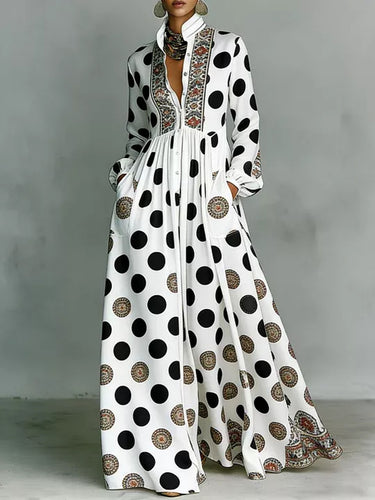 Wedding Guest Dresses
A practical place to start if you want event-ready dresses that feel polished and can still be reworn.
Wedding Guest Dresses
A practical place to start if you want event-ready dresses that feel polished and can still be reworn.
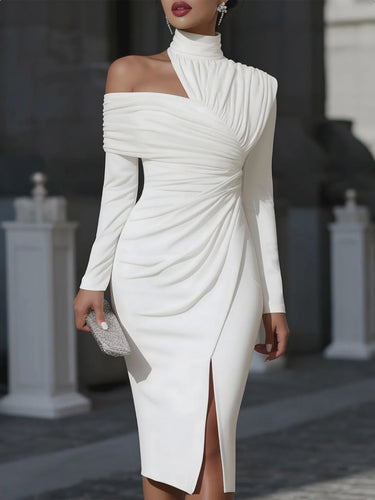 Evening Dresses
A smart pick for formal occasions, especially if you leave room in your budget for a hem or small fit adjustment.
Evening Dresses
A smart pick for formal occasions, especially if you leave room in your budget for a hem or small fit adjustment.
 Maxi Dresses
Maxi styles look elegant, and checking the length early helps you avoid rushed alteration costs.
Maxi Dresses
Maxi styles look elegant, and checking the length early helps you avoid rushed alteration costs.
 Evening Bags & Clutches
A polished bag can lift a simpler dress, which may save you from over-spending on major garment changes.
Evening Bags & Clutches
A polished bag can lift a simpler dress, which may save you from over-spending on major garment changes.
Alteration-friendly pieces to consider
 High-Low Short-Sleeve Maxi Dress
A high-low hem can reduce floor-dragging risk while still giving you a dressy event silhouette.
High-Low Short-Sleeve Maxi Dress
A high-low hem can reduce floor-dragging risk while still giving you a dressy event silhouette.
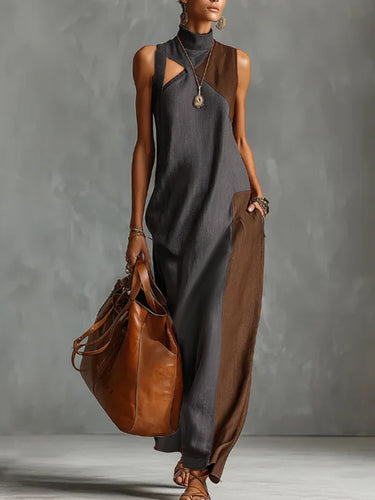 Asymmetric Contrast Maxi Dress
A looser silhouette can be more forgiving through the waist and hips, helping you avoid major reshaping.
Asymmetric Contrast Maxi Dress
A looser silhouette can be more forgiving through the waist and hips, helping you avoid major reshaping.
 Flared-Sleeve Floral Maxi Dress
A printed, flowing dress can be easier to rewear, which makes any small tailoring cost feel more worthwhile.
Flared-Sleeve Floral Maxi Dress
A printed, flowing dress can be easier to rewear, which makes any small tailoring cost feel more worthwhile.
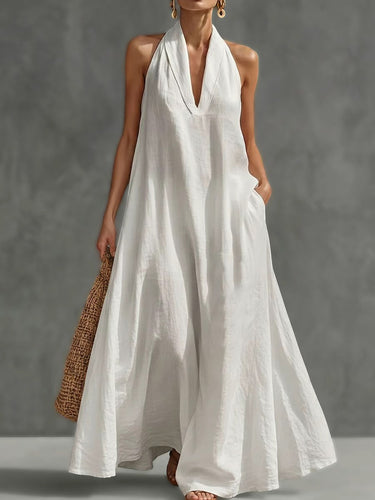 A-Line V-Neck Maxi Dress
A clean A-line shape gives you an easy event look while staying simpler to fit than many ornate gowns.
A-Line V-Neck Maxi Dress
A clean A-line shape gives you an easy event look while staying simpler to fit than many ornate gowns.
If you are buying a dress for an event, think beyond the first try-on. Choose the size that fits your largest measurement, check the length with the shoes you plan to wear, and ask yourself whether one small alteration would make the dress feel like yours. When the answer is yes, a good dress becomes an even better wardrobe piece.
Shop dresses and event-ready styles at Uoozee
FAQ: Dress Alteration Costs
How much do alterations cost for a dress?
Simple dress alterations often cost about $15 to $75, while more involved work can cost $75 to $200 or more. Bridal gowns, beaded dresses, layered formal gowns, and major redesigns can cost much more.
How much does it cost to hem a dress?
A simple hem may cost about $15 to $65. A lined, layered, chiffon, pleated, or formal dress hem can cost $45 to $150 or more because the tailor may need to work on multiple layers.
How much does it cost to take in a dress?
Taking in a dress can cost around $25 to $100 or more. The price depends on whether the tailor is adjusting only side seams or also working around lining, zipper, pockets, boning, or shaping.
Is it cheaper to alter a dress or buy a new one?
If the dress only needs a small fix, altering it is often cheaper. If the dress needs major reshaping, the alteration may cost more than finding a better-fitting dress.
Can a dress be made bigger?
Sometimes. A dress can be let out only if there is enough extra fabric inside the seams. If there is little seam allowance, a tailor may not be able to make it larger without adding panels.
Can a tailor shorten a maxi dress?
Yes, but cost depends on the fabric and layers. A simple maxi dress is easier. A lined, pleated, ruffled, or chiffon maxi dress can take more time and cost more.
Should I alter a dress before or after choosing shoes?
Choose your shoes first, especially for midi and maxi dresses. Heel height changes where the hem should fall, so bring the actual shoes to your fitting.
Do I need to wash or steam the dress before alterations?
Ask your tailor. Some fabrics should be cleaned or steamed before fitting, especially if they may shrink or wrinkle. For delicate formal dresses, follow the care label first.
How many fittings does a dress need?
Simple alterations may need one fitting. More complex formal dress alterations may need two or more fittings to check fit, movement, and final length.
How far in advance should I alter a dress for a wedding?
For a wedding guest or bridesmaid dress, start as soon as the dress arrives. Two to four weeks is safer than waiting until the week of the event.
What dress alterations are usually worth it?
Hemming, strap shortening, waist shaping, and small side adjustments are often worth it if the dress already fits well in the most important areas.
What alterations are usually not worth it?
Major size changes, complicated neckline redesigns, and alterations on very delicate or inexpensive dresses may not be worth it unless you truly love the piece.


