

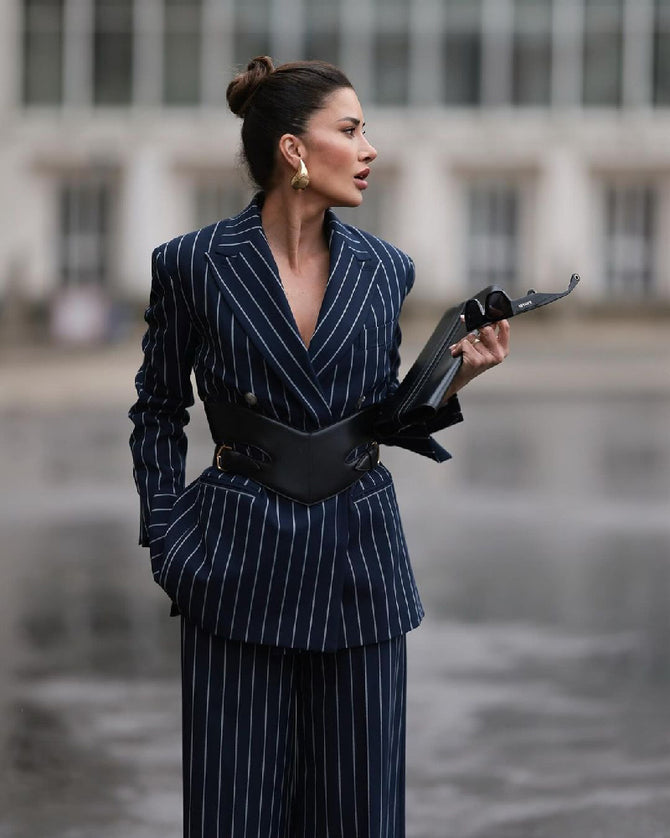


If you’ve ever checked the forecast, seen 50 to 60 degree weather, and immediately thought “too warm for a coat, too cool for a dress,” you’re not overthinking it. This temperature range is one of the trickiest to dress for because it changes fast. You can leave the house in a chilly breeze, feel perfectly comfortable at noon, and want another layer again as soon as the sun dips.
That’s exactly why how to dress for 50 60 degree weather is less about one magic outfit and more about building a look that can flex with your day. You want pieces that feel comfortable when it’s cool, still look polished indoors, and don’t make you feel bulky by the afternoon. You also want outfits that work in real life: walking, commuting, grabbing coffee, heading into the office, going to brunch, or meeting friends without carrying a whole backup wardrobe.
This guide is written for women shopping from a style-and-practicality perspective. So instead of vague advice like “just layer,” you’ll get clear outfit logic, styling ideas, shopping cues, and wearable formulas for 50 degree weather outfits, 60 degree weather outfits, and everything in between. The goal is simple: help you dress in a way that feels flattering, easy, and worth rewearing.
Quick Jump Links
- What 50–60 Degree Weather Actually Feels Like
- The Easiest Formula for Getting Dressed
- Best Tops for 50–60 Degree Weather
- Best Light Layers: Cardigans, Jackets & More
- Best Bottoms for Cool-but-Not-Cold Days
- Can You Wear Dresses in 50–60 Degree Weather?
- Matching Sets for Easy Outfit Days
- What to Wear in 50 Degree Weather vs 60 Degree Weather
- Outfit Ideas by Occasion
- Shoes, Bags & Accessories
- Common Mistakes to Avoid
- Shop the Look at Uoozee
- FAQ
What 50–60 Degree Weather Actually Feels Like
The reason this forecast confuses so many people is that 50 degree weather and 60 degree weather are not the same styling problem. In the low end of the range, the air usually feels crisp, especially in the morning, in shade, or when there’s wind. At the higher end, you can feel surprisingly comfortable in lighter pieces, especially if you’re moving around or spending time indoors.
That means the best outfits for this weather range usually have three qualities:
- They start with a breathable base so you won’t overheat later.
- They include a removable layer so you can adapt without ruining the outfit.
- They feel intentional, not like you got dressed in a rush and kept adding random items.
The easiest mindset: dress for the coolest part of your day, then make sure at least one layer can come off cleanly. That way you stay comfortable without sacrificing shape, color balance, or polish.
This temperature range feels tricky because it sits right between obviously cold and obviously warm. The short version is this: 50 degree weather outfits, 60 degree weather outfits, and in-between looks usually work best when you focus on light layers, soft structure, and practical shoes instead of heavy fabric.
The Easiest Formula for Getting Dressed
When the weather sits in this in-between zone, you do not need a giant closet strategy. You need a repeatable outfit formula. The most dependable one is:
- Base: tee, blouse, knit top, or lightweight pullover
- Middle layer: cardigan, shirt jacket, blazer, or light trench
- Bottom: jeans, wide-leg pants, midi skirt, or an easy dress
- Shoes: loafers, flats, low boots, sneakers, or low heels depending on the occasion
This is why outfits for 50–60 degree weather look so good when they feel balanced. You are not dressing for winter. You are not dressing for summer. You are dressing for movement, temperature shifts, and real daily use. That makes proportion important. If your outer layer is loose, your base can be more streamlined. If your dress is flowy, a defined waist or cleaner shoe keeps the look from feeling too soft. If your bottoms are wide, a fitted knit or tucked blouse usually looks more polished.
Once you understand that balance, getting dressed gets much easier.
Best Tops for 50–60 Degree Weather
Your top matters because it sits closest to the body. If it’s too thin, you’ll feel cold. If it’s too heavy, you’ll regret it by lunch. That’s why the best place to start is with pieces that can stand on their own indoors but still layer smoothly under a cardigan or jacket.
A strong wardrobe zone for this weather is blouses and shirts. They give you flexibility: easy to tuck into jeans or trousers, easy to wear under outer layers, and easy to style more casually or more polished depending on your shoes and bag.
What works best on top?
- Lightweight pullovers when mornings feel cool
- Long-sleeve blouses when you want shape without bulk
- Soft knit tops for comfort and easy layering
- Button-front shirts when you want a cleaner, smarter look
If you’re trying to build an outfit that looks flattering rather than heavy, texture helps. Pleats, subtle drape, and soft structure make a simple outfit feel styled without requiring a lot of accessories.

A lightweight long-sleeve pullover is one of the easiest starting points for cool-morning, mild-afternoon dressing.
For everyday wear, a top like this gives you room to go in several directions. You can keep it casual with relaxed pants and flats, add jeans and a cardigan for a coffee run, or tuck it into a midi skirt when you want a more put-together finish. That’s what makes it useful: not just that it fits the forecast, but that it keeps working after the weather changes.
Best Light Layers: Cardigans, Jackets & More
If there is one category that earns its place in this temperature range, it’s the cardigan. A good cardigan solves multiple problems at once: it adds warmth without looking winter-heavy, it’s easy to remove, and it softens an outfit in a way that feels wearable rather than formal.
If you want a layer you can throw on over dresses, tops, and even matching sets, start with cardigans. They are especially helpful when you want a cozy look without committing to a full coat.

A buttoned cardigan gives you warmth, shape, and an easy removable layer without making the outfit feel overdone.
Why cardigans work so well
- They pair naturally with denim, wide-leg pants, skirts, and dresses.
- They feel softer and more versatile than a blazer on casual days.
- You can wear them open, half-buttoned, or fully closed depending on temperature and styling.
That said, not every day in this range is a cardigan day. Some days feel breezier, sharper, or more city-like. That’s when a light jacket or trench gives you more coverage and a slightly stronger silhouette. For that, a smart place to browse is outerwear and jackets.
The best outer layers for 50–60 degree weather are usually not puffy or insulated. Instead, they are pieces with movement and shape: trench-style layers, easy jackets, or polished lightweight outerwear that can sit over a blouse, knit, or dress without overwhelming the rest of the outfit.

When the forecast leans cooler or windier, a light trench adds coverage while still keeping your outfit sleek and transitional.
A trench-style piece is especially helpful when you want to look finished without trying too hard. It layers well over jeans and knit tops, sharpens a dress, and makes even simple basics feel intentional. If your mornings are chilly and your afternoons mild, this kind of outerwear often gives you the exact amount of warmth you need.
Best Bottoms for Cool-but-Not-Cold Days
The easiest way to choose bottoms in 50–60 degree weather is to think about exposure and mobility. You want enough coverage to feel comfortable outside, but not so much weight that the outfit feels seasonally confused.
Best choices
- Jeans: classic, easy, and reliable for casual days
- Wide-leg trousers: polished, comfortable, and especially good with tucked or fitted tops
- Soft drawstring pants: relaxed, but still stylish when paired with a structured top or shoe
- Midi skirts: ideal when you want movement without feeling too bare
Wide-leg pants are particularly useful because they create a longer visual line and feel breathable without exposing your legs to cool air. If your top is neater or more fitted, the balance looks modern and flattering. If your top is already oversized, choose a shoe with more shape so the outfit does not lose definition.
Jeans, of course, remain the easiest answer for everyday dressing. But when you want something softer than denim, relaxed trousers or matching-set pants can give you the same coverage with a more elevated feel.
Can You Wear Dresses in 50–60 Degree Weather?
Yes, absolutely. In fact, some of the best outfits for this forecast are dress-based because they simplify the whole decision. The trick is choosing the right kind of dress. You want something with enough coverage, enough structure, and enough styling flexibility to handle a light layer and practical shoes.
A very useful category here is midi dresses. They work especially well because the hemline offers more balance than a mini, while still feeling lighter and easier than heavy cold-weather dressing.
What makes a dress good for 50–60 degree weather?
- Long sleeves or at least easy layering potential
- A fabric with a little body, not something ultra-thin or beachy
- A silhouette you can style with flats, loafers, boots, or low heels
- A shape that works with cardigans, trenches, or jackets

A long-sleeve midi shirt dress is a strong one-and-done option when you want coverage, shape, and easy styling.
A shirt dress like this works because it gives you structure without stiffness. You can wear it with flats for daytime, loafers for the office, or boots when the weather sits closer to 50 than 60. Add a cardigan for softness or a trench for a sharper silhouette, and the outfit still feels coherent.
This is also where you get real closet value. A midi dress that works in this forecast can often be reworn into slightly warmer or slightly cooler days just by changing your layer and shoe choice. That is exactly the kind of piece worth buying: not just fashionable in the moment, but flexible enough to earn repeat wear.
Matching Sets for Easy Outfit Days
Some days you do not want to style separate pieces. You want an outfit that already looks done. That is where matching sets become incredibly useful for transitional weather. They save decision-making time, create instant visual cohesion, and still let you adjust warmth with a cardigan or outer layer.
If that sounds like your kind of dressing, browse matching sets. They are especially practical when you want an outfit that looks intentional without feeling formal.

A coordinated two-piece set gives you comfort, coverage, and a pulled-together look with almost no effort.
Matching sets are great for travel days, casual office environments, lunch plans, and “I want to look polished but not dressy” situations. Because the top and bottom already speak the same visual language, you can keep accessories simple. That makes them ideal for this weather range, where you are often adding and removing layers throughout the day.
What to Wear in 50 Degree Weather vs 60 Degree Weather
What to wear in 50 degree weather
When the day starts around 50, you usually want more coverage and more intention in your layering. This is where a cardigan, trench, long-sleeve midi dress, or light pullover feels especially useful. Shoes also matter more here. Loafers, ballet flats, ankle boots, or clean sneakers usually make more sense than very open sandals.
- Good outfit formula: lightweight pullover + wide-leg pants + trench + loafers
- Good dress formula: long-sleeve midi dress + cardigan + flats or boots
- Good casual formula: knit top + jeans + cardigan + sneakers
What to wear in 60 degree weather
Once the forecast leans closer to 60, your outfit can get lighter. You may still want a removable layer, but it does not have to do as much work. This is a good zone for blouse-and-trouser combinations, soft dresses with bare ankles, and matching sets with lighter shoes.
- Good outfit formula: blouse + relaxed pants + flats
- Good dress formula: midi dress + light cardigan you can carry if needed
- Good casual formula: shirt + jeans + loafers or low sneakers
The biggest styling mistake is treating both temperatures the same. If you dress for 60 when it’s really 50 and windy, you will feel uncomfortable all day. If you dress for 50 when it’s a sunny 60, you will likely overheat indoors. That is why adaptable layers matter so much.
Outfit Ideas by Occasion
1) Casual everyday outfit
If you are running errands, grabbing coffee, or heading out for a low-key day, keep the outfit practical but still shaped. Try a long-sleeve knit top, relaxed jeans, a cardigan, and clean flats or sneakers. This combination feels easy, but still looks put together enough for spontaneous plans.
2) Office or smart-casual workday outfit
For work, aim for cleaner lines. A blouse with wide-leg trousers or a midi shirt dress usually works beautifully in this weather range. Add a light outer layer if your commute is cool and your office is overly air-conditioned. The key is to keep the outfit comfortable but intentional, not overly cozy.
3) Brunch or lunch outfit
This is where soft polish shines. A midi dress with a cardigan, or a matching set with a simple bag and flatter shoe, tends to feel just right. You look styled, but not overdressed. You can sit outside if needed, walk between places comfortably, and still feel good in photos.
4) Date-night outfit
For evening, lean a little more refined. A dress with a trench or a coordinated set with heeled sandals or sleek flats gives you enough warmth without losing shape. When the temperature drops after sunset, your layer should still feel like part of the look, not an afterthought.
5) Travel-day outfit
Travel calls for comfort, but that does not mean you have to look shapeless. Matching sets work especially well here because they keep you comfortable while still looking intentional. Add a cardigan or light outer layer depending on whether you will be in airports, cars, or changing indoor temperatures.
Shoes, Bags & Accessories
The right shoe can make or break a 50–60 degree weather outfit. Because the temperature is mild but not hot, footwear should usually add polish and practicality at the same time.
Best shoes for this weather
- Loafers: smart, easy, and perfect with trousers or dresses
- Ballet flats: simple, feminine, and easy to dress up or down
- Ankle boots: especially good when the day sits closer to 50 or feels windy
- Clean sneakers: best for casual outfits and travel days
- Low heels: ideal when you want a polished finish without sacrificing comfort
For bags, medium structure usually works best. A slouchy bag can look good with casual outfits, but a more defined shape tends to make transitional-weather dressing look intentional. Jewelry can stay simple. In this forecast range, you do not need a lot of extra styling to look complete. A clean neckline, a good shoe, and a cohesive layer usually do more than stacked accessories ever will.
Common Mistakes to Avoid
Wearing only one temperature idea
The most common mistake is dressing as though the entire day will feel the same. It rarely does. Morning cold, afternoon warmth, indoor heating, and wind can all change how your outfit performs. Always think in layers.
Choosing a layer that ruins the outfit
A random hoodie or bulky coat may keep you warm, but it can completely flatten the look. Your layer should work visually with the rest of your outfit. Transitional dressing looks best when every piece feels related.
Going too summery too early
A dress can work, but ultra-thin fabric, very open shoes, and beachy styling often feel premature in this range. You want ease, not full summer energy.
Going too winter-heavy
On the other side, heavy sweaters, thick coats, and overly dark cold-weather styling can feel too much, especially indoors. This weather usually calls for light warmth, not full insulation.
Ignoring rewear value
When you shop for this forecast range, think about how many ways you can wear the piece. A cardigan that works with jeans and dresses is better value than a one-outfit-only layer. A midi dress that can be styled with flats, boots, or a trench is stronger than something that only works one way.
How to Shop Smarter for 50–60 Degree Weather at Uoozee
The best closet for this weather is not built on extremes. It is built on pieces you can combine easily: a soft long-sleeve top, a cardigan that actually flatters your outfit, a light outer layer, an easy midi dress, and at least one set of bottoms that gives you coverage without feeling heavy.
If you want to shop with real-life wear in mind, focus on these questions:
- Can you wear this piece in both cool mornings and milder afternoons?
- Can you pair it with at least three items already in your closet?
- Can you dress it more casually and more polished just by changing shoes or adding a layer?
- Would you still reach for it after this exact weather week is over?
Your best buys for 50–60 degree weather: long-sleeve tops, relaxed cardigans, lightweight outerwear, midi dresses, and matching sets that look styled without requiring too much effort.
That is the sweet spot: pieces that feel easy now, look good in motion, and still make sense when your plans change. Once your closet has a few strong transitional staples, dressing for this forecast stops feeling confusing and starts feeling simple.
FAQ – How to Dress for 50 60 Degree Weather
What should a woman wear in 50 degree weather?
A woman can wear a lightweight pullover, blouse, or knit top with jeans, trousers, or a midi dress, plus a cardigan or light jacket. The goal is to stay comfortable in cool air without dressing too heavily.
What should a woman wear in 60 degree weather?
In 60 degree weather, you can usually wear lighter layers such as a blouse with relaxed pants, a midi dress with a cardigan, or a matching set with flats. A removable layer is still helpful for mornings, wind, or evenings.
Is 50–60 degree weather jacket weather?
Sometimes, yes. It depends on wind, shade, and time of day. In many cases, a light jacket, cardigan, or trench is more useful than a heavy coat because it gives you warmth without making you overheat later.
Can you wear a dress in 50 degree weather?
Yes. A midi dress or long-sleeve dress works especially well. Add a cardigan, trench, or light jacket if the day starts cool or gets breezy.
Can you wear sandals in 60 degree weather?
You can, especially if the day is sunny and you run warm, but flats, loafers, or other closed-toe shoes usually feel more balanced and versatile in this temperature range.
What are the best layers for 50–60 degree weather?
The best layers are cardigans, light jackets, trench-style outerwear, and easy blazers. They help you adjust through the day without overwhelming the outfit.
What colors work best for 50–60 degree weather outfits?
Soft neutrals, earthy tones, navy, black, cream-adjacent shades that are not too summery, and muted seasonal colors all work well. Transitional dressing often looks best in balanced, wearable palettes rather than extremes.
What is the easiest outfit formula for 50–60 degree weather?
The easiest formula is a breathable top, a removable layer, comfortable bottoms or a midi dress, and shoes that suit the day’s plans. That combination works for most casual, smart-casual, and everyday situations.


