

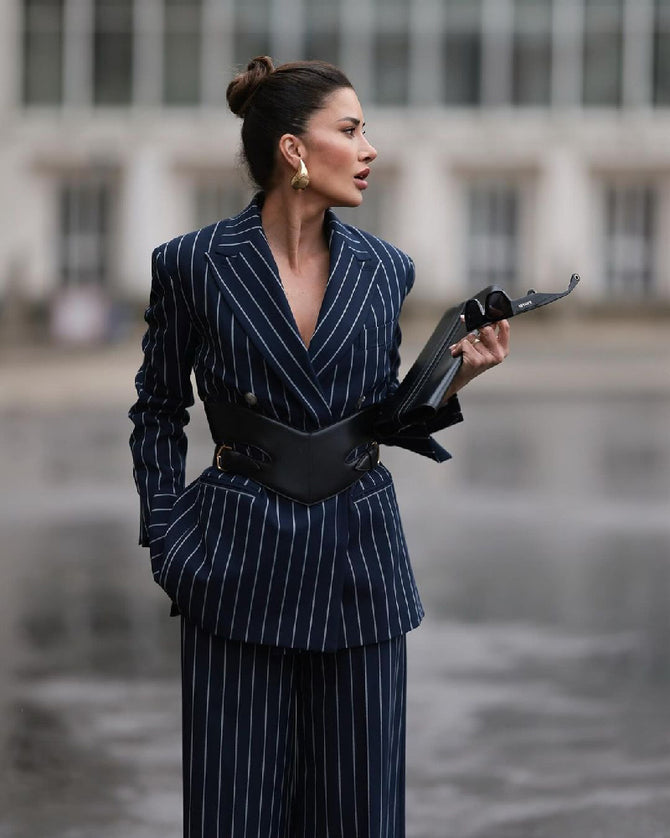


You can have the right experience, a polished resume, and thoughtful answers ready—then still feel unsure the moment you stand in front of your closet and ask: what should you wear to a professional interview? That question matters because your outfit does not get you hired on its own, but it absolutely shapes first impressions. The best interview clothes help you look prepared, capable, and comfortable enough to focus on the conversation instead of tugging at a hemline, breaking in painful shoes, or wondering whether your outfit feels too casual.
This guide is for women who want clear advice on how to dress for a professional interview, interview outfits for women, what to wear to an interview female, and business casual interview outfit women. You will learn how to match your clothes to the company, choose colors that look professional, build a smart interview outfit from pieces you can actually rewear, and avoid the styling mistakes that make an otherwise strong look feel distracting.
You do not need a giant work wardrobe. You need a few reliable pieces that photograph well, feel like you, and make it easy to look polished for interviews, networking events, office visits, internship applications, and first days on the job.

Quick Jump Links
- What Professional Interview Attire Really Means
- How to Dress Based on the Company
- Interview Outfit Essentials for Women
- Easy Interview Outfit Formulas
- Best Colors for a Job Interview
- Shoes, Bags, Jewelry, and Layers
- Interview Outfit Mistakes to Avoid
- What to Wear to a Virtual Interview
- What to Wear by Season
- Shop Interview-Ready Looks
- FAQ
What Professional Interview Attire Really Means
Professional interview attire is not about dressing like a different person. It is about showing that you understand context. In most cases, that means your outfit should feel clean, intentional, modest, and polished. You want the interviewer to remember your answers, your judgment, and your confidence—not a distracting neckline, wrinkled fabric, or shoes that obviously do not fit the setting.
A useful rule is this: aim one level more polished than your everyday outfit, and one level less flashy than an event outfit. That middle ground is where strong interview style usually lives. It communicates effort and maturity without looking like you are trying too hard.
For many women, the safest interview outfit foundation is built from one of these combinations:
- a blazer with tailored pants
- a blouse with dress pants
- a modest midi dress with structured outerwear
- a polished matching set in a neutral or muted tone
The exact formula depends on the company, the role, the season, and your own comfort level. A law office interview does not ask for the same styling choices as a startup, a design team, or a retail management role. The goal is not to erase your personality. The goal is to present it through a professional lens.
How to Dress Based on the Company
Corporate, finance, law, consulting, or executive-track roles
If you are interviewing in a more traditional environment, lean structured and conservative. A blazer, tailored trousers, a refined blouse, and low-profile accessories are usually your safest choice. Neutrals work especially well here because they look serious, cohesive, and timeless.

Business casual offices, education, healthcare administration, nonprofit, or operations roles
Business casual interviews usually give you more flexibility, but the outfit should still look polished. This is where a blouse with structured trousers, a refined knit with a midi skirt, or a simple dress with a clean outer layer can work beautifully. You do not need a full suit, but you do need visible effort.
Creative, startup, media, or fashion-adjacent environments
These roles often allow more personal style, but “creative” does not mean careless. You can introduce softer color, a modern silhouette, or a trend-aware piece, but the final look should still communicate that you understand professional standards. A tailored matching set, a sleek dress, or polished separates usually works better than anything too edgy or experimental.
Retail, hospitality, customer-facing, or in-person service roles
For these interviews, presentation matters because you may directly represent the brand. Your outfit should look approachable, neat, and functional. You want to look like someone who can move confidently, interact with customers comfortably, and still represent the company well.
When you are unsure, slightly overdressed is usually safer than underdressed. A neat blazer can always come off later. Recovering from an outfit that looked too casual is harder.
Interview Outfit Essentials for Women
1) A polished blouse that feels easy, not fussy
A good blouse does a lot of work in an interview outfit. It softens tailoring, adds shape under a blazer, and helps you look finished even if you decide not to wear a jacket. Look for a blouse with clean lines, a comfortable neckline, and fabric that drapes well without clinging. You want something that sits smoothly whether you are standing, sitting, or moving through a campus, office, or hotel lobby.

2) Tailored trousers that hold their shape
If you only buy one interview staple, tailored trousers are a strong contender. They are versatile, easy to pair with different tops, and often more comfortable than you expect. The best interview pants skim rather than squeeze, sit well at the waist, and create a clean line through the leg. Wide-leg, straight-leg, and slim tailored cuts can all work, depending on what flatters you and matches your workplace target.

3) A blazer that adds structure fast
A blazer is one of the smartest pieces you can own for interviews because it does not require much styling effort to look professional. Even a simple blouse-and-trouser combination feels sharper with an outer layer. If you dislike stiff suiting, look for a blazer that still keeps shape through the shoulders but feels comfortable enough to wear through a long day.
4) A modest dress for one-and-done interview styling
If you prefer dresses, choose one that looks streamlined and interview-appropriate. A midi length, higher or balanced neckline, and a defined waist usually work best. The advantage of a good interview dress is that it simplifies styling. You only need to add shoes, a bag, and possibly a blazer or light coat.

5) A matching set when you want low-effort polish
Matching sets work especially well for interview mornings because they remove guesswork. You do not have to worry about whether your pieces coordinate; the work is already done. A good set reads polished, modern, and intentional without feeling too formal for more flexible workplaces.

Easy Interview Outfit Formulas
Sometimes the most useful styling advice is not theory—it is knowing exactly what to put on. These interview outfit formulas are simple, repeatable, and easy to adjust.
Formula 1: The safest classic
- neutral blazer
- solid blouse
- tailored trousers
- flats or low heels
- structured bag
This formula works for nearly any professional interview and especially well for conservative industries.
Formula 2: Business casual but polished
- soft blouse
- straight-leg or wide-leg dress pants
- minimal jewelry
- simple flats
This is ideal when the office is not fully formal but still expects maturity and professionalism.
Formula 3: Modern and streamlined
- matching pants set
- clean base layer underneath
- small bag
- sleek shoes
This works well for startups, creative offices, and style-aware industries where you still want authority.
Formula 4: Dress-based interview outfit
- midi dress with structure
- light blazer or coat
- flats or low block heels
- simple bag
If separates never feel like you, this is an excellent way to look interview-ready without feeling costume-like.
Best Colors for a Job Interview
Color affects how polished your outfit feels. For interviews, the best colors are usually calm, grounded, and easy to style. That does not mean you must wear only black. It means your palette should support a professional impression.
Best interview colors
- Navy: trustworthy, classic, and softer than black
- Black: sleek and professional, especially in structured pieces
- Gray: polished and balanced, great for blazers and trousers
- White or soft cream accents: crisp in tops, but keep the overall outfit grounded
- Taupe, beige, olive, muted blue, or dusty rose: useful in business-casual environments
Colors to use more carefully
- very bright neons
- high-shine fabrics
- loud multi-color prints
- anything that feels more party-ready than office-ready
You do not need to disappear into your clothes, but you do want them to feel considered. Subtle color often looks more expensive and more confident than something aggressively attention-seeking.
Shoes, Bags, Jewelry, and Layers
Shoes: aim for calm, clean, and walkable
Interview shoes should support you, not sabotage you. If you are walking across a campus, standing in an elevator lobby, or moving through multiple interview rounds, comfort matters. Clean flats, low block heels, loafers, and simple pumps are all solid choices. The best shoe is one you can walk in naturally.

Bag: structured beats oversized
Your bag should look tidy and intentional. A structured handbag or compact tote usually feels more professional than anything slouchy, oversized, or overly casual. You want enough room for essentials, but not a bag that overwhelms your outfit.

Jewelry: one polished detail is enough
For most interviews, less is more. Small hoops, simple studs, a subtle necklace, or a clean watch are enough. The point is refinement, not distraction. If your outfit is already strong, jewelry should support it quietly.
Layers: outerwear still counts
Your coat or outer layer may be the first thing an interviewer sees if they greet you in a lobby or at the door. A clean trench, blazer, or simple structured coat keeps the impression cohesive. Avoid anything too bulky, distressed, or sporty if the role is clearly professional.
Interview Outfit Mistakes to Avoid
Looking too casual
Jeans, graphic tees, wrinkled cotton, hoodies, athletic sneakers, ultra-relaxed layers, and anything that reads off-duty can weaken your first impression. Unless the company has clearly signaled an extremely casual environment, these are usually not the safest choices.
Looking uncomfortable
If you cannot sit naturally, breathe easily, or walk confidently, the outfit is wrong for the day. Interviews already create pressure. Your clothing should reduce stress, not add to it.
Showing too much or fussing too much
If a neckline, hemline, slit, or sheer layer requires constant adjustment, it will pull mental energy away from the conversation. Professional style should feel composed from every angle.
Ignoring fabric quality and wrinkles
Even a simple outfit can look excellent when the fabric hangs well and the garment is pressed. The reverse is also true: great styling ideas collapse quickly when pieces are visibly creased or limp.
Over-accessorizing
An interview is not the time for clashing prints, loud logos, jangling jewelry, or “statement everything.” Pick one focal point at most. Usually, clean tailoring is enough.
What to Wear to a Virtual Interview
A virtual interview still deserves a professional outfit, even if the interviewer only sees your upper half. You want color contrast, a clean neckline, and a shape that reads well on camera. Soft blues, crisp neutrals, muted jewel tones, and simple blouses often perform well on screen.
You do not need a full formal look for most virtual interviews, but getting completely dressed still helps you feel prepared. The mental shift is real. When you dress like the conversation matters, you often show up differently in the conversation itself.
Avoid tiny distracting prints, overly low necklines, or anything that blends too much into your background. A polished blouse or blazer usually works best because it frames your face and helps your posture look sharper on camera.
What to Wear by Season
Spring interviews
Spring calls for layers. A blouse, blazer, and tailored trousers work well because you can adjust if the weather changes. Closed-toe flats or loafers are a practical choice if rain is possible.
Summer interviews
Breathable fabrics matter more in summer. Lightweight trousers, a refined blouse, or a modest dress can keep you comfortable without looking too relaxed. Avoid anything too sheer or obviously heat-reactive.
Fall interviews
Fall is a great season for structured outfits. Blazers, matching sets, long-sleeve blouses, and smart layers all feel natural. Earth tones and deeper neutrals also look especially strong.
Winter interviews
In winter, the challenge is staying warm without looking bulky. A tailored coat, structured knit, or heavier trouser fabric can help you stay polished. Make sure your shoes are practical enough for the weather but still office-appropriate.
How to Build an Interview Outfit You Can Rewear
The smartest interview wardrobe is not built around one single look. It is built around versatile pieces you can wear again for presentations, office visits, business lunches, networking events, or your first week at a new job. That is why clean blouses, tailored trousers, blazers, and matching sets are worth prioritizing. They let you create multiple combinations from a small number of pieces.
If you are shopping intentionally, ask yourself these questions before buying:
- Can you wear this piece at least three ways?
- Does it work with shoes you already own?
- Can you sit comfortably in it for an hour?
- Would it still look good with simple styling and minimal accessories?
- Does it match the kind of workplace you want to enter?
When the answer is yes, that piece is doing more than just solving one interview. It is helping you build a wardrobe that supports your next stage.
Shop Interview-Ready Looks
If you want your interview outfit to feel polished, modern, and easy to wear again, focus on the pieces that do the most work: a strong blouse, tailored pants, a clean blazer, comfortable flats, and one structured bag. When those basics are right, getting dressed becomes much less stressful.
You do not need an oversized office wardrobe to look professional. You need a few dependable pieces that help you feel prepared the moment you walk in.
FAQ: How to Dress for a Professional Interview
What should a woman wear to a professional interview?
A woman should usually wear a polished blouse, tailored trousers or a modest dress, clean shoes, and simple accessories. For more formal workplaces, add a blazer. The goal is to look neat, intentional, and comfortable enough to focus on the interview itself.
Do you need to wear a blazer to every interview?
No, but a blazer is often the safest choice for traditional or corporate roles. In business-casual environments, a refined blouse with structured pants may be enough. When you are unsure, bringing a blazer is smart because it gives you flexibility.
Can you wear a dress to a job interview?
Yes. A midi dress or another modest, structured dress can work very well for an interview. Look for a balanced neckline, a comfortable fit, and styling that feels professional rather than dressy.
Are flats okay for a professional interview?
Yes. Clean, polished flats are a great option, especially if you need to walk a lot or want more comfort. They should look neat and intentional, not overly casual or worn out.
What colors are best for interview outfits?
Navy, black, gray, beige, muted blue, olive, and other calm tones usually work best. They look professional and are easy to style. Extremely bright colors or loud prints are usually less ideal.
Can you wear black to an interview?
Yes. Black can look sleek and professional, especially in blazers, trousers, shoes, and dresses. Just make sure the full outfit still feels balanced and not too severe by using clean lines and simple styling.
What should you avoid wearing to an interview?
Avoid wrinkled clothing, ripped denim, overly revealing cuts, graphic tops, athletic sneakers, very casual layers, and accessories that feel distracting. If you have to keep adjusting your outfit, it is probably not the right choice.
What should you wear to a virtual interview?
For a virtual interview, wear a polished top or blazer in a color that shows clearly on camera. Clean lines, a good neckline, and a tidy appearance matter more than overly formal styling.
