



Cold weather dressing can feel like a trade-off: you want to stay warm, but you don’t want to look bulky, feel restricted, or lose your personal style under a giant coat. The good news is that how to dress for cold weather (women) is mostly about strategy—not suffering. When you understand layering, fabric weights, and smart proportions, you can look polished and feel comfortable from the first chilly morning to the coldest winter day.
This guide is written for women who want cute cold weather outfits, warm winter outfits, and practical tips for how to layer in winter without adding unnecessary volume. You’ll get outfit ideas by temperature range, easy formulas for work and weekends, plus the best coats, boots, and accessories to keep you warm (and photo-ready).
Quick Jump Links
- Cold Weather Outfit Basics: Warmth Without Bulk
- How to Layer for Cold Weather (The 3-Layer System)
- Best Fabrics for Winter: Wool, Cashmere, Fleece & More
- What to Wear by Temperature (40°F to 0°F)
- Best Coats & Jackets for Women (and How to Choose)
- Cold Weather Bottoms: Jeans, Trousers, Skirts & Thermal Tips
- Boots & Shoes for Winter (Comfort + Traction)
- Cold Weather Work Outfits (Office & Smart Casual)
- Casual Winter Outfit Ideas (Weekend, Errands, Travel)
- Common Cold Weather Outfit Mistakes (and Easy Fixes)
- Simple Winter Capsule Wardrobe Checklist
- Shop Cold-Weather Styles at Uoozee
- FAQ
Cold Weather Outfit Basics: Warmth Without Bulk
The best cold weather outfits have two goals: trap heat and block wind. If you do both, you can wear fewer layers and still stay warm. Here are the fundamentals that make winter outfits feel easy and flattering.
1) Build warmth close to the body
Thin layers that sit close to your skin (like thermals and fitted knits) do more than thick, puffy layers stacked on top of each other. The “secret” is insulation inside the outfit, not just a giant coat.
2) Control the silhouette with proportion
Cold weather outfits look best when there’s a clear shape: one structured layer + one streamlined layer. Examples:
- Long coat + slim pants (classic, flattering, easy)
- Puffer jacket + straight-leg jeans (balanced, casual)
- Oversized sweater + fitted leggings (cozy without looking sloppy)
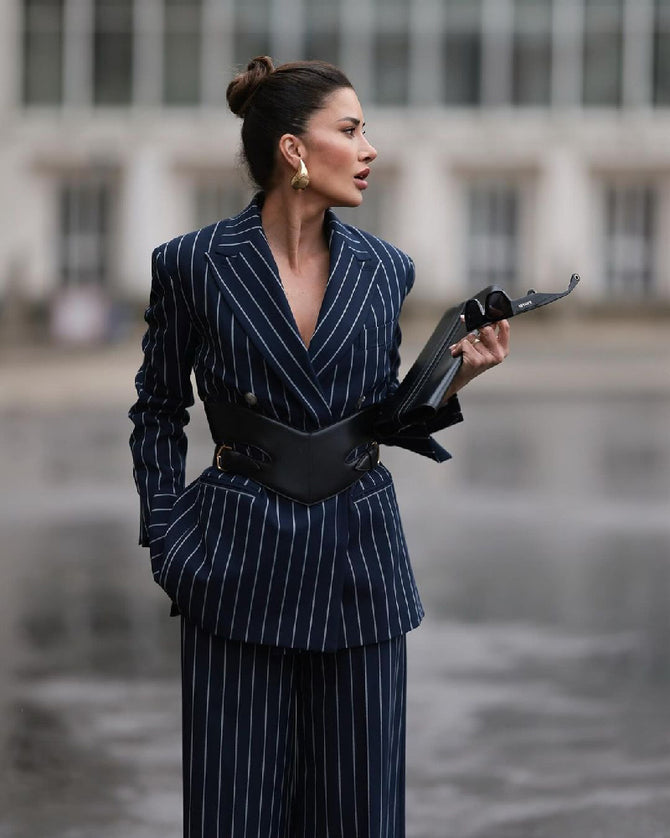
- Tailored blazer + wide-leg trousers (warm and polished)
3) Cover your “heat-loss zones”
For women, the biggest comfort difference often comes from protecting the neck, ankles, and hands. A warm scarf, wool socks, and lined gloves can make a medium-cold outfit feel like a deep-winter outfit.
How to Layer for Cold Weather (The 3-Layer System)
If you’ve ever felt warm indoors but freezing outdoors, you don’t need more clothes—you need better layering. The simplest way to master how to layer for cold weather is the classic 3-layer system: Base + Mid + Outer.
Layer 1: Base layer (moisture + comfort)
Your base layer should be thin, comfortable, and close-fitting. Its job is to keep you comfortable when you move between indoor heat and outdoor cold.
- Best picks: thermal tops, lightweight merino wool, fitted long-sleeve tees, seamless bodysuits.
- Pro tip: choose a base top with a smooth finish so it doesn’t bunch under sweaters.
Layer 2: Mid layer (insulation)
This is your warmth layer—the one that traps heat. Think knits, fleece, and lightweight down.
- Best picks: sweaters, cardigans, turtlenecks, knit dresses, fleece-lined tops, puffer vests.
- Style tip: a fitted turtleneck under a crewneck sweater looks intentional and adds major warmth.
Layer 3: Outer layer (wind + weather protection)
The outer layer is your shield. Wind is what makes 35°F feel like 20°F. A good coat blocks wind and helps hold in warmth.
- Best picks: wool coats, insulated puffers, parkas, trench coats with warm mid layers.
- Weather tip: if it’s wet or snowing, choose a water-resistant outer layer or add an umbrella + hood.
The “layering rule” that keeps outfits flattering
Keep at least one layer streamlined. If the outerwear is oversized, go simpler underneath (slim pants, fitted knit). If the sweater is oversized, choose a more tailored coat or structured jacket to keep the look balanced.
Best Fabrics for Winter: What Actually Keeps You Warm
Fabric choice is the difference between “I’m fine” and “I’m counting the minutes until I get inside.” Here are the most winter-friendly fabrics for warm outfits for women.
Merino wool (warm, breathable, not itchy)
Merino is one of the best fabrics for cold weather because it insulates, breathes, and stays comfortable across temperature changes. It’s ideal for base layers and fitted knits.
Wool blends (warmth + structure)
Wool-blend coats and sweaters hold shape, look polished, and feel warmer than many synthetic options at the same thickness.
Cashmere (luxury warmth without weight)
Cashmere is warm for its weight and layers beautifully. If you want “elevated winter outfits,” cashmere sweaters and scarves are high-impact.
Fleece (cozy insulation, great for casual)
Fleece is excellent as a mid layer for weekend outfits, travel days, and outdoor errands. Choose cleaner silhouettes so it reads “intentional,” not outdoors-only.
Down or synthetic insulation (best for deep cold)
Puffers and insulated parkas are unmatched in truly cold temperatures. If you want warmth without bulk, look for lightweight down or a midweight puffer with a high collar.
Fabrics to be cautious with
- Thin acrylic knits: often look cozy but can feel cold and trap sweat.
- Single-layer cotton tees: fine indoors, weak outdoors unless layered.
- Very thin leggings: add thermal tights or fleece-lined options in real winter.
What to Wear by Temperature (Women’s Cold Weather Outfit Guide)
Cold weather isn’t one temperature—your outfit should match the actual conditions. Use this as a practical guide for what to wear in cold weather based on the forecast.
40°F to 32°F (4°C to 0°C): cool-cold
- Base: long-sleeve tee or lightweight thermal
- Mid: sweater or cardigan
- Outer: wool coat, trench + warm knit, or light puffer
- Shoes: ankle boots or closed-toe flats
- Add-ons: scarf at night, light gloves if windy

32°F to 20°F (0°C to -6°C): true winter
- Base: thermal top + (optional) thermal leggings
- Mid: thicker knit or fleece layer
- Outer: insulated coat, puffer, or wool coat + scarf
- Shoes: insulated boots or leather boots with wool socks
- Add-ons: gloves + scarf + warm hat (especially if you’ll be outside)

20°F to 10°F (-6°C to -12°C): very cold
- Base: merino thermal set
- Mid: sweater + optional puffer vest
- Outer: parka or heavy puffer with hood
- Shoes: winter boots with traction
- Add-ons: thicker socks, insulated gloves, scarf that covers neck/chin

Below 10°F (below -12°C): deep winter / extreme cold
- Base: thermal + second thin layer (like a fitted knit)
- Mid: fleece or down mid-layer
- Outer: expedition-style parka or heavy insulated coat
- Shoes: insulated snow boots
- Add-ons: hat + scarf + gloves are non-negotiable

Tip: if your outfit is warm but you’re still cold, check for wind exposure. Switching from a coat that leaks wind to one that blocks wind can change everything.
Best Coats & Jackets for Women (and How to Choose)
The best coat depends on your lifestyle: commute, errands, travel, or outdoor time. Here’s a simple breakdown of the most useful winter outerwear options.
Wool coat (polished, timeless, great for city winter)
A wool coat makes any outfit look elevated. It’s best for dry cold and looks amazing over dresses, trousers, and jeans.
- Style tip: wear a scarf to seal the neckline—this boosts warmth dramatically.
- Best with: smart casual work outfits, date nights, city looks.
Puffer jacket (maximum warmth for the effort)
Puffers are the easiest way to stay warm. If you want a flattering look, choose a puffer with waist shaping or wear it with straighter bottoms.
- Best with: casual winter outfits, travel, outdoor errands.
- Pro tip: mid-thigh puffers often feel warmer than short puffers without feeling extreme.
Parka (best for wind, snow, and long cold days)
A parka is ideal when weather is harsh. Look for a hood, a high collar, and enough room to layer underneath.
Leather or faux-leather jacket (style layer for mild winter)
This works best in the 40°F–32°F range with a warm mid layer. It’s not a deep-winter coat, but it’s perfect for “cold but not freezing” days.
The coat “fit test” that matters
Put on your thickest sweater underneath. If the coat pulls at the shoulders or you can’t comfortably move your arms, it won’t be a winter staple. Comfort matters more than the size on the tag.
Cold Weather Bottoms: Jeans, Trousers, Skirts & Thermal Tricks
Cold weather outfit success is often decided from the waist down. If your legs are cold, you’ll feel cold all day—even with a great coat.
Jeans in winter (yes, with the right layering)
- Best picks: straight-leg or wide-leg jeans that leave room for thermals if needed.
- Warmth hack: add thin thermal leggings underneath (especially in wind).
- Style tip: balance denim with a polished top layer (structured knit, coat, clean boots).
Winter trousers (warm + elevated)
Wool-blend trousers, ponte pants, and thicker knit pants look polished and keep you warmer than many jeans.
- Best for: work outfits, smart casual, city styling.
- Pair with: turtlenecks, blazers, long coats, ankle boots.
Can you wear skirts and dresses in cold weather?
Absolutely. The key is tights and boot pairing. For a warm, polished winter outfit, use these combos:
- Knit midi dress + tall boots + long coat
- Midi skirt + thermal tights + sweater + ankle boots
- Wrap midi dress + tights + blazer + coat
Thermal tights vs. leggings (what to choose)
- Thermal tights: best under skirts/dresses; choose opaque for a clean look.
- Fleece-lined leggings: best for casual outfits; pair with an oversized sweater + boots.
- Layering tip: in very cold weather, you can wear thin tights under looser pants for extra insulation.
Boots & Shoes for Winter: Comfort, Warmth, Traction
Winter shoes need to do three jobs: keep you warm, keep you stable, and look good with your outfits. Here’s how to choose.
Ankle boots (most versatile)
Ankle boots work with jeans, trousers, and midis. Choose a slightly chunkier sole for traction in wet weather.
Combat boots (casual-cool and practical)
Combat boots are great for city winter and travel days. They pair well with straight jeans, knit dresses, and midi skirts for a modern look.
Tall boots (best for warmth + dresses)
Knee-high boots over tights create a sleek line and keep legs warmer. This is one of the easiest “cute but warm” winter outfit upgrades.
Snow boots (when weather is real)
If it’s icy or snowing, traction matters more than style. The good news: you can keep a “cute outfit” under a practical boot. Focus on the coat + accessories for polish.
Shoe tips that make winter outfits look expensive
- Choose clean shapes (sleek toe, minimal hardware).
- Match your belt/bag tone to your boots when possible.
- Use socks intentionally: a wool sock peeking from a boot can look styled, not accidental.
Cold Weather Work Outfits (Office & Smart Casual)
Work outfits in cold weather should look professional and feel comfortable on your commute. These formulas are reliable for office, meetings, and smart casual environments.
Work Formula 1: Turtleneck + trousers + long coat
- Fitted turtleneck (merino or knit)
- Wool-blend trousers or ponte pants
- Long wool coat
- Ankle boots or loafers (weather-dependent)
- Scarf + structured bag
Work Formula 2: Sweater + blazer + straight pants
- Thin base layer (optional)
- Structured sweater or knit top
- Blazer for shape
- Straight-leg pants
- Boots and a clean belt
Work Formula 3: Knit midi dress + boots + coat
- Knit midi dress (structured knit if possible)
- Thermal tights
- Knee-high boots
- Long coat + scarf
Office comfort tip: if you get hot indoors, wear a thinner base layer and use your outerwear and scarf as the warmth “dial” you can remove easily.
Casual Winter Outfit Ideas (Weekend, Errands, Travel)
Casual winter outfits should feel cozy, but still look intentional. Here are easy combinations you can repeat all season.
Weekend Formula 1: Puffer + hoodie + straight jeans
- Thermal tee under hoodie (optional)
- Puffer jacket
- Straight jeans
- Combat boots or sneakers (weather-friendly)
- Beanie + gloves
Weekend Formula 2: Oversized sweater + leggings + boots
- Oversized sweater
- Fleece-lined leggings
- Ankle boots or tall boots
- Long coat or puffer
- Scarf for warmth
Weekend Formula 3: Knit set + long coat (minimal & chic)
- Matching knit top + knit pants (or a coordinated set)
- Long wool coat
- Sleek boots
- Small bag + simple jewelry
Travel Formula: Layers you can peel
- Base: fitted tee or thermal
- Mid: cardigan or fleece zip
- Outer: coat or puffer
- Bottom: leggings or straight jeans
- Shoes: comfortable boots
Common Cold Weather Outfit Mistakes (and Easy Fixes)
Mistake 1: Wearing one thick layer instead of smart layers
Fix: wear a thin thermal + sweater + coat. You’ll feel warmer and move easier.
Mistake 2: Leaving the neck exposed
Fix: add a scarf or turtleneck. This is one of the fastest ways to feel warmer.
Mistake 3: Choosing shoes with no traction
Fix: pick boots with grippy soles for wet or icy days. Save smooth soles for dry cold.
Mistake 4: Outfit looks bulky in photos
Fix: define one area: a belted coat, a structured shoulder, or a slimmer bottom to balance a puffer.
Mistake 5: Getting cold legs even with a warm coat
Fix: add thermal leggings or fleece-lined tights. Warm legs = warm body.
Simple Winter Capsule Wardrobe Checklist
If you want winter outfits to feel easy, build a small set of mix-and-match pieces. Here’s a minimal winter capsule list for women:
- 1–2 thermal tops + 1 thermal bottom
- 2–3 sweaters (one fitted, one oversized, one “polished”)
- 1 cardigan or layering knit
- 1 turtleneck (or mock neck)
- 1 wool coat + 1 puffer (or one parka if very cold)
- 1 pair straight jeans + 1 pair warm trousers/ponte pants
- 1 knit midi dress (optional but highly useful)
- 1 ankle boot + 1 tall boot (plus snow boots if needed)
- 1 scarf + gloves + warm hat
With this capsule, you can create dozens of cold weather outfits for women by swapping shoes, accessories, and outerwear.
Shop Cold-Weather Styles at Uoozee
Cold weather style works best when your wardrobe has the right building blocks: warm layers, flattering silhouettes, and pieces you can mix without overthinking. If you’re looking for winter outfits for women, cozy knit dresses, and easy cold-weather looks you can rewear all season, explore women’s fashion at uoozee.com.
Shopping tip: use site search keywords like “sweater dress,” “midi dress,” “wrap dress,” “knit set,” “coat,” and “boots” to quickly build outfits for your climate.
FAQ – How to Dress for Cold Weather (Women)
How should women dress for cold weather?
Use a 3-layer system: a thin base layer (thermal or fitted knit), a warm mid layer (sweater or fleece), and an outer layer that blocks wind (wool coat, puffer, or parka). Add a scarf, gloves, and warm socks for comfort.
What is the warmest layering combination?
A merino thermal base + insulating mid layer (thicker knit or fleece) + wind-blocking insulated outerwear (puffer or parka) is typically the warmest. Sealing the neckline with a scarf also makes a big difference.
How do I stay warm without looking bulky?
Choose thin thermals and warm fabrics (merino, wool blends) close to the body, then use one structured outer layer for shape. Keep one part of the outfit streamlined—like slim pants with a bigger coat or a fitted top under a puffer.
Can I wear dresses in winter?
Yes. Wear thermal tights or fleece-lined tights, pair with ankle or knee-high boots, and add a long coat. Knit midi dresses and wrap midis are especially easy for cold weather.
What shoes are best for cold weather?
Ankle boots and tall boots are the most versatile. For snow or ice, choose winter boots with traction. Wool socks and insulated insoles can boost warmth significantly.
How do I dress for 40°F weather?
Wear a long-sleeve top, a sweater or cardigan, and a wool coat or light puffer. Add boots and a scarf if it’s windy or if you’ll be outside for long.
How do I dress for 20°F weather?
Use thermals (top and bottom), add a warm mid layer like a thicker sweater or fleece, and wear an insulated coat (puffer or parka). Finish with a scarf, gloves, hat, and insulated boots.
What winter accessories make the biggest difference?
A scarf (to cover your neck), insulated gloves, and warm socks are the top comfort boosters. A hat also helps if you’ll be outdoors for extended periods.
