

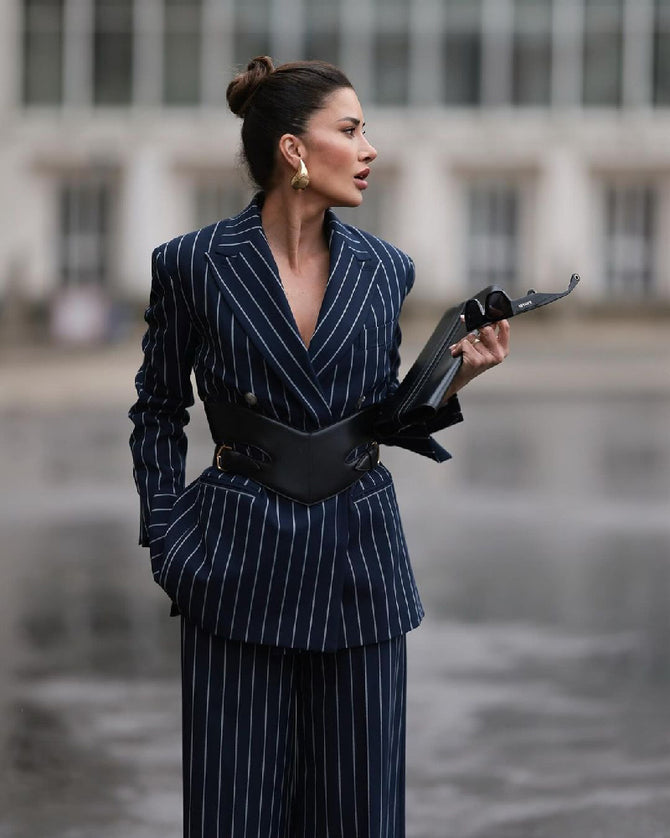


Walking into a courthouse can feel intimidating—especially when you’re not sure how to dress for court (female). Whether you’re attending as a defendant, plaintiff, witness, juror, or simply supporting someone you care about, your outfit sends a message before you say a word.
The goal is simple: look respectful, polished, and non-distracting. Court is not the place for statement fashion, revealing outfits, or anything that looks like you didn’t take the setting seriously. The good news? You don’t need expensive suits. You need smart outfit choices: clean lines, modest coverage, neutral-to-soft colors, comfortable closed-toe shoes, and a fit that feels composed.
Quick Jump Links
- Court Dress Code for Women: The Non-Negotiables
- What to Wear to Court by Role (Defendant, Witness, Juror, Support)
- Best Court Outfit Ideas for Women (10 Reliable Options)
- Best Colors for Court (and What to Avoid)
- Are Dresses Appropriate for Court?
- Shoes, Bags, and Accessories (What Looks Professional)
- What to Wear to Court by Season
- Plus Size & Petite Court Outfit Tips
- What Not to Wear to Court (Female)
- 7 Outfit Formulas (When You’re Stressed and Overthinking)
- Shop Polished Basics at Uoozee
- FAQ
Court Dress Code for Women: The Non-Negotiables
Courts vary by location and case type, but the expectations are consistent: conservative, clean, and respectful. Think business professional or business casual—never “night out,” never “gym day,” never “vacation.”
1) Choose modest coverage
- Keep necklines higher than deep V or plunging.
- Avoid strapless, spaghetti straps (unless layered with a blazer/cardigan).
- Skip sheer fabrics unless fully lined.
- Hemlines should generally be around the knee or longer (midi is safest).
2) Prioritize structure over trend
Structured pieces communicate seriousness: blazers, tailored trousers, crisp blouses, midi dresses with shape, and simple closed-toe shoes. A well-fitted, simple outfit looks more “court-appropriate” than a trendy one.
3) Keep everything non-distracting
- Minimal jewelry (no loud bangles or oversized statement pieces).
- Simple hair (neat ponytail, bun, soft waves—anything that looks intentional).
- Neutral makeup (avoid heavy glitter, dramatic club makeup, or extreme looks).
- No strong slogans or graphics on clothing.
4) Comfort matters (court can take hours)
Even a short hearing can involve waiting, security lines, standing, and lots of sitting. Wear breathable fabrics and shoes you can walk in. Aim for comfort without sacrificing polish.
What to Wear to Court by Role (Defendant, Witness, Juror, Support)
If you’re the defendant (or appearing before a judge)
When you’re in court for your own case, your outfit should say: respectful, responsible, and cooperative. The safest level is closer to business professional.
- Best choices: blazer + blouse + trousers, a conservative midi dress + blazer, or a simple skirt suit.
- Avoid: anything too casual (jeans, hoodies), too tight, too short, or too flashy.
- Tip: if you’re unsure, “dress up one level.” It’s better to be slightly overdressed than underdressed in court.
If you’re a witness
As a witness, you want to look credible and neutral. Your outfit should blend into the professional environment.
- Best choices: blouse + slacks, knit top + blazer, midi dress with sleeves, or a modest wrap dress with a layer.
- Tip: choose something you won’t fidget with (no slipping straps, no itchy lace, no complicated ties).
If you’re there for jury duty
Jury duty is usually “business casual,” but conservative is still key. Many jury rooms are cold, and you’ll sit for long periods.
- Best choices: sweater + trousers, blouse + cardigan, blazer + simple top, loafers or flats.
- Layering tip: bring a blazer or cardigan you can keep on indoors.
- Avoid: shorts, ripped jeans, flip-flops, crop tops, leggings as pants.
If you’re supporting someone in court
If you’re there as support (family/friend), you still want to look respectful. Think “nice work outfit.”
- Best choices: blouse + trousers, a simple midi dress, or a modest jumpsuit with a blazer.
- Tip: keep colors calm and avoid anything that draws attention in the courtroom.
Best Court Outfit Ideas for Women (10 Reliable Options)
Below are courtroom-safe outfits that work for most situations. Pick based on your role and formality level, then adjust with shoes and layering.
1) Blazer + blouse + tailored trousers
This is the gold standard for female court attire. It’s structured, professional, and appropriate across nearly all case types.
2) Midi dress + blazer (or cardigan)
A modest midi dress (not clingy, not sheer) paired with a blazer is both comfortable and polished. This is one of the easiest “one-and-done” court outfits.
3) Button-up shirt + ankle trousers
A crisp button-up feels serious and responsible. Choose ankle trousers that look tailored (not leggings). Add loafers or closed-toe flats.
4) Knit top + blazer + straight-leg pants
Perfect for jury duty or supportive attendance. A structured blazer elevates a simple knit and keeps you warm.
5) Sweater + tailored pants (cold courtroom hero)
Choose a sweater that looks refined (solid color, no slogans). Pair with tailored pants and loafers for a quiet, professional look.
6) Conservative wrap dress + closed-toe flats
Wrap dresses can be courtroom-appropriate when they have a higher neckline, secure wrap, and midi length. Add a layer if the neckline feels too open.
7) Pencil skirt (knee length) + blouse + blazer
A classic office outfit that reads professional. Make sure the skirt is not too tight and the hemline is respectful.
8) Wide-leg trousers + tucked blouse
Wide-leg pants look polished when the waist is defined (tuck or belt) and the fabric drapes well. Pair with a simple blouse and blazer.
9) Jumpsuit + blazer (modern, still appropriate)
A tailored jumpsuit can work for court if it’s modest, non-clingy, and paired with a blazer. Choose a solid neutral and closed-toe shoes.
10) Monochrome outfit (neutral top + matching trousers)
Wearing one color family (navy, charcoal, taupe) creates a long, clean line and looks instantly intentional—great when you want to look composed.
Best Colors for Court (and What to Avoid)
Color matters in court because it affects how “serious” and “reliable” your outfit looks.
Best colors for court outfits
- Navy: professional, calm, widely appropriate.
- Charcoal/gray: neutral and serious.
- Black: works well, but keep the outfit soft and not overly “night out.”
- White/cream (as a blouse): crisp and professional (avoid head-to-toe white).
- Soft neutrals: taupe, beige, warm gray—great for daytime court.
- Muted tones: dusty blue, muted green—fine when subtle and not flashy.

Colors to avoid (or use carefully)
- Neon or very bright colors: distracting in a courtroom.
- Very loud prints: the focus should stay on the proceedings, not your outfit.
- Heavy sparkle or shine: sequins, metallic club looks, or glossy finishes.
- Graphic tees/slogans: inappropriate in most courts.
Rule of thumb: If you’d wear it to a job interview or an important meeting, it’s probably fine for court.
Are Dresses Appropriate for Court?
Yes—dresses can be excellent court outfits for women when they meet these criteria:
- Length: knee to midi is safest.
- Coverage: modest neckline; sleeves are great, but a blazer works too.
- Fabric: structured or drapey, but not clingy or sheer.
- Fit: tailored/skimming, not bodycon.
- Style: simple and refined—think office-appropriate.

Best dress styles for court
- Sheath dress (with a blazer)
- Wrap midi (secure and modest)
- Fit-and-flare midi (not overly voluminous)
- Shirt dress with a belt (polished and easy)
Shoes, Bags, and Accessories (What Looks Professional)
Accessories should support your outfit—not compete with it. In court, the best accessories are quiet and functional.
Shoes: what should women wear to court?
- Closed-toe flats: polished and comfortable.
- Loafers: professional and easy for long days.
- Low block heels: great if you want extra polish without discomfort.
- Simple pumps: appropriate if you can walk comfortably.
Avoid: flip-flops, very high stilettos, platform party heels, loud sneakers, or anything overly casual.

Bags
- Best picks: medium tote, structured shoulder bag, or simple crossbody.
- Avoid: tiny club clutches, flashy logos, or overly casual canvas bags.

Jewelry
- Best picks: small hoops/studs, a simple necklace, a watch.
- Avoid: loud bangles, oversized statement jewelry that clinks or draws attention.

What to Wear to Court by Season
Spring court outfits
- Blazer + blouse + ankle trousers
- Midi dress + cardigan
- Light trench over a professional base outfit
Summer court outfits
Summer is tricky because you want cool fabrics without looking too casual.
- Short-sleeve blouse + tailored trousers
- Lightweight midi dress + blazer for indoor AC
- Breathable fabrics (cotton blends, crepe, lightweight suiting)
Avoid: very short hems, ultra-thin sheer fabrics, or beachy sandals.
Fall court outfits
- Sweater + tailored trousers
- Blazer + knit top + straight-leg pants
- Midi dress + structured coat
Winter court outfits
- Long coat over a blazer-and-trouser outfit
- Turtleneck knit + tailored pants + loafers
- Midi dress + tights + closed-toe shoes + coat
Plus Size & Petite Court Outfit Tips
Plus size court outfit tips
- Choose structure: ponte, crepe, suiting, and structured knits hold shape beautifully.
- Prioritize smooth waistbands: comfortable and polished.
- Use vertical lines: open blazer, longline cardigan, or monochrome outfits.
- Fit matters most: avoid too-tight pieces; choose tailored skimming fits.
Petite court outfit tips
- Keep proportions sharp: cropped blazer or blazer that hits at the hip.
- Ankle-length trousers: lengthen legs visually.
- Monochrome looks: create a longer line.
- Avoid overwhelming volume: balance wide-leg pants with a more fitted top.
What Not to Wear to Court (Female)
If you’re unsure about an item, ask yourself: “Would this look appropriate in a formal office meeting?” If the answer is no, skip it.
Common “don’ts”
- Short skirts/shorts: anything that feels like summer casual.
- Revealing tops: deep cleavage, backless, off-shoulder (unless fully covered by a blazer).
- Leggings as pants (unless worn under a long, structured tunic and still looks professional).
- Ripped jeans or distressed denim (usually inappropriate for court).
- Graphic tees or slogans (avoid messages, brands, or anything political).
- Flip-flops and overly casual sandals (too informal).
- Excessively tight bodycon outfits (distracting and uncomfortable).
- Flashy accessories (sequins, loud jewelry, heavy sparkle).
- Hats indoors (generally not appropriate).
7 Outfit Formulas (When You’re Stressed and Overthinking)
Formula 1: Safest “court day” outfit
- Navy blazer
- White blouse
- Tailored ankle trousers
- Closed-toe flats
Formula 2: Jury duty comfort (still appropriate)
- Solid sweater
- Straight-leg trousers
- Loafers
- Cardigan or blazer
Formula 3: Court dress option
- Midi sheath or wrap dress
- Blazer
- Low block heels
- Structured bag
Formula 4: Witness-ready neutral
- Blouse (solid or subtle print)
- Tailored pants
- Simple flats
- Minimal jewelry
Formula 5: Supporter outfit (quiet and respectful)
- Knit top
- Wide-leg trousers (structured)
- Loafers
- Blazer
Formula 6: Warm-weather court outfit
- Short-sleeve blouse
- Tailored trousers
- Closed-toe flats
- Light blazer for AC
Formula 7: Cold-weather court outfit
- Turtleneck knit
- Tailored pants
- Loafers
- Long coat
Shop Polished Basics at Uoozee
Court outfits don’t need to be complicated. The winning formula is always the same: clean lines, modest coverage, comfortable shoes, and pieces that look professional in any serious setting.
If you’re building a wardrobe of court-appropriate outfits for women—from blazers and midi dresses to tailored trousers and refined tops—explore women’s polished styles at uoozee.com.
Shop Polished Court-Ready Styles on Uoozee
Helpful on-site keywords: “blazer,” “midi dress,” “work blouse,” “tailored trousers,” “wide leg pants,” and “loafers-friendly outfits.”
FAQ – How to Dress for Court (Female)
What should a woman wear to court?
A woman should wear a conservative, professional outfit such as a blazer with a blouse and tailored trousers, or a modest midi dress with a blazer. Closed-toe shoes and minimal accessories are the safest choices.
Can I wear jeans to court?
In most cases, jeans are not recommended—especially ripped or distressed denim. If you have no alternative, choose dark, clean jeans with a blazer and a modest top, but tailored trousers are always better.
Can a woman wear a dress to court?
Yes. A knee-length or midi dress with a modest neckline and non-clingy fabric is appropriate for court, especially when paired with a blazer or cardigan.
What shoes are appropriate for court?
Closed-toe flats, loafers, low block heels, or simple pumps are appropriate. Avoid flip-flops, very high heels, and overly casual sneakers.
What colors are best to wear to court?
Navy, gray, black, and soft neutrals are best because they look professional and non-distracting. Avoid neon colors and loud prints.
What not to wear to court (female)?
Avoid short skirts/shorts, revealing tops, leggings as pants, ripped jeans, graphic tees, flip-flops, overly tight outfits, and flashy accessories.
What should I wear to court for jury duty?
Business casual is typically appropriate for jury duty. Wear a sweater or blouse with tailored pants and comfortable closed-toe shoes, and bring a blazer or cardigan for cold courtrooms.
What should I wear to court as a witness?
Wear a neutral, professional outfit like a blouse with slacks or a modest midi dress with a blazer. Choose pieces that are comfortable and non-distracting so you can focus on testimony.


