

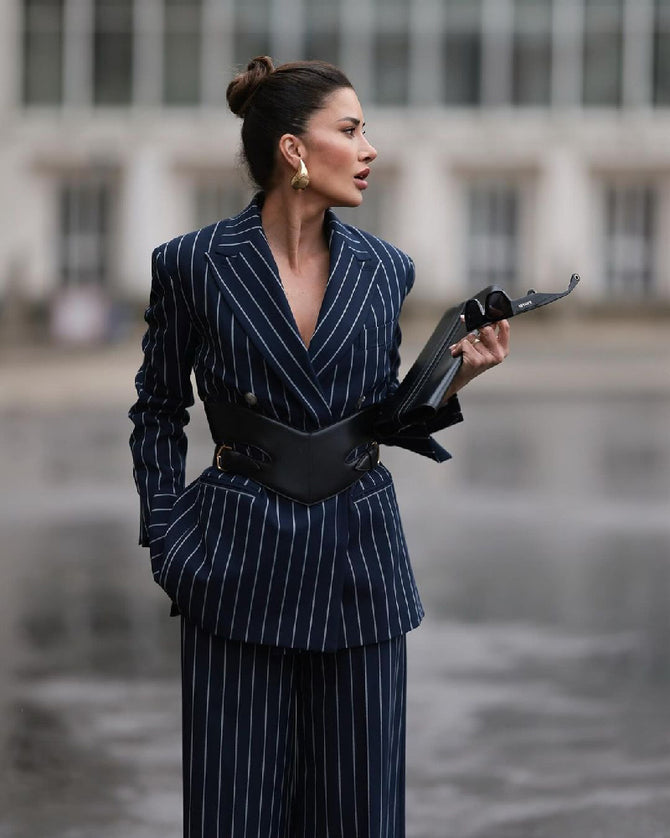


Going to the opera is one of those rare nights where your outfit becomes part of the experience. You’re not dressing for “just dinner”—you’re dressing for velvet seats, dramatic lighting, grand staircases, and photos that (somehow) look more cinematic than real life.
If you’re searching how to dress for the opera (women), you’re likely juggling three questions: What’s appropriate? What’s comfortable for a long show? And how do I look elevated without feeling like I’m in costume? This guide breaks it down by venue, season, and dress code—plus outfit formulas, shoe and bag tips, what to avoid, and a ready-to-shop checklist.
This post is written for women shopping for opera outfits, opera dresses, what to wear to the opera at night, black tie opera attire, and modern smart casual opera looks you can rewear beyond one performance.
Quick Jump Links
- What to Wear to the Opera (The Modern Rule)
- Opera Dress Codes: Black Tie, Formal, Cocktail, Smart Casual
- Best Opera Outfits for Women (Dresses, Jumpsuits, Separates)
- What to Wear by Venue & City (Classic Theater vs Modern House)
- What to Wear to the Opera by Season
- Shoes, Bags, Jewelry & Outerwear
- Opera Etiquette: Outfit Mistakes to Avoid
- 10 Outfit Formulas (When You’re Overthinking)
- Shop Opera-Ready Dresses at Uoozee
- FAQ
What to Wear to the Opera (The Modern Rule)
Opera style has changed. You can still go full glam—many people do—but most opera houses today welcome a range from cocktail attire to formal eveningwear, depending on the city, the performance, and where you’re sitting.
The simplest rule for women is this:
Dress one level more elevated than you would for a nice dinner. Aim for “evening polished,” not “everyday.”
So… is a long dress required?
No. A midi cocktail dress, a sleek jumpsuit, or dressy separates can be perfect—especially for weekday shows, modern venues, or balcony seats. A floor-length gown makes sense for opening night, galas, or events labeled black tie.
The opera outfit checklist (fast and foolproof)
- One “evening” element: satin-touch fabric, structured tailoring, a refined neckline, or a statement accessory
- Comfort plan: shoes you can walk in + a layer for AC + a bag that holds essentials
- Photo-ready finish: neat hair, intentional jewelry, and a polished silhouette
Opera Dress Codes: Black Tie, Formal, Cocktail, Smart Casual
The opera can feel confusing because not every ticket comes with a dress code. Here’s how to decode what “appropriate” looks like when you’re deciding what to wear to the opera.
Black tie opera attire (women)
This is the most formal scenario. Think: gala nights, opening nights, benefit performances, or invitations that explicitly say black tie.
- Best picks: floor-length gown, formal maxi, elegant midi with luxe fabric (if styled glam)
- Fabrics: satin, velvet, crepe, chiffon overlays, sequins (tastefully)
- Shoes: heels or dressy heeled sandals
- Accessories: clutch or mini bag, elevated jewelry

Formal opera attire
Formal is slightly more flexible than black tie. You can wear a gown, but a refined midi or a tailored jumpsuit also works.
- Best picks: sophisticated midi dress, sleek maxi, tailored jumpsuit
- Look for: clean tailoring, defined waist, refined neckline
- Styling: elegant shoes + a structured bag

Cocktail attire for the opera
This is the most common “safe lane” for women who want to look right almost anywhere.
- Best picks: cocktail midi dress, wrap midi, fit-and-flare midi, slip midi (styled polished)
- Fabrics: crepe, chiffon, satin-touch (not overly shiny), lace accents
- Shoes: block heels, pumps, heeled sandals

Smart casual / business casual opera outfits
Weekday shows, smaller companies, matinees, or modern venues may lean smart casual. The trick is to avoid looking like you’re coming from the office.
- Best picks: polished midi, monochrome set, wide-leg trousers + dressy top, sleek jumpsuit
- Key upgrade: evening-leaning accessories (bag, earrings, shoe)
- Avoid: sneakers, hoodies, distressed denim, overly casual knits

Best Opera Outfits for Women
Below are the most reliable outfit categories for opera attire for women. Choose based on the event level, your comfort, and what you want your photos to say.
1) The elegant midi dress (the “always right” option)
If you only remember one thing: a refined midi dress is the safest opera outfit. It works for cocktail, formal, and even smart casual—depending on fabric and styling.
- Best details: wrap waist, structured bodice, subtle drape, satin-touch finish, statement sleeves
- Best lengths: below-knee to mid-calf (polished, comfortable to sit)
- Best styling: heels or sharp flats + small structured bag
2) The floor-length gown (for opening night and black tie)
A gown makes sense when the event is truly formal. To keep it modern, focus on clean lines and great fit rather than heavy embellishment.
- Best silhouettes: column gown, soft A-line, one-shoulder, off-shoulder (if comfortable)
- Pro tip: choose a fabric that moves well when you walk stairs
3) The tailored jumpsuit (modern, comfortable, still elevated)
A well-cut jumpsuit is one of the best answers to what to wear to the opera if you don’t want a dress. It looks intentional, photographs beautifully, and is often more comfortable for long performances.
- Choose: defined waist, wide-leg drape, refined neckline
- Avoid: stiff workwear tailoring that reads “office”
- Style with: heels + statement earrings + clutch or mini bag
4) The luxe separates look (chic, rewearable)
Separates can look incredibly opera-appropriate when they feel cohesive and elevated.
- Easy formulas: satin skirt + fitted knit, wide-leg trousers + silk-like blouse, matching set in a deep tone
- Best colors: black, navy, burgundy, emerald, champagne, deep plum
- Finishing touch: a structured blazer or elegant wrap
Opera Outfit Ideas by Style Vibe
Classic & timeless
- Black midi dress + pumps + pearl or gold earrings
- Navy wrap midi + heeled sandals + clutch
- Deep red midi + minimal jewelry + sleek hair
Modern & minimalist
- Monochrome jumpsuit + pointed flats + sculptural earrings
- Slip midi (matte) + blazer + heeled sandals
- Column midi + statement cuff + small bag
Romantic & feminine
- Chiffon overlay midi + delicate jewelry + block heels
- Soft satin-touch wrap dress + hair clip + clutch
- Flutter sleeve midi + strappy heels + mini bag
Bold & dramatic (opera-approved)
- Velvet midi + sleek heels + red lip
- One-shoulder dress + statement earrings + minimal bag
- Jewel-tone gown + simple jewelry + elegant clutch
What to Wear to the Opera by Venue & City
Different opera houses have different vibes. The same dress can feel perfect in one city and slightly overdressed in another. Use these as general guidelines.
Traditional grand opera house (velvet seats, chandeliers, grand staircases)
- Best picks: cocktail midi, formal midi, gown for opening night
- Best colors: black, jewel tones, deep neutrals
- Accessories: clutch-level polish
Modern opera house (minimal architecture, contemporary vibe)
- Best picks: sleek midi, tailored jumpsuit, luxe separates
- Style note: clean lines + one standout detail (earrings, bag, neckline)
Matinee performance (daytime opera)
- Best picks: refined midi, polished separates, dressy jumpsuit
- Colors: softer neutrals, mid-tone solids, subtle prints
- Shoes: block heels or sharp flats (lots of walking)
Balcony/upper tiers vs premium seating
Your seat doesn’t force your dress code, but it can influence the crowd vibe. If you want to blend in anywhere, go cocktail. If you want to lean glam, go formal—just keep it refined.
What to Wear to the Opera by Season
Spring opera outfits
Spring is “layer season,” and opera houses can run cold indoors.
- Try: midi dress + lightweight blazer, slip midi + trench, jumpsuit + elegant wrap
- Best shoes: pumps or closed-toe heels for unpredictable weather
Summer opera outfits
Summer evenings can be warm outside and chilly inside (AC is real). Prioritize breathable fabrics plus a light layer.
- Try: sleeveless midi in crepe, satin-touch wrap midi, wide-leg jumpsuit
- Bring: a shawl, light blazer, or refined cardigan
- Shoes: heeled sandals or dressy flats
Fall opera outfits
Fall is made for deeper colors and richer textures.
- Try: velvet midi, long-sleeve crepe midi, jewel-tone jumpsuit
- Outerwear: tailored coat or longline blazer
- Shoes: closed-toe heels, dressy ankle boots (sleek, not chunky)
Winter opera outfits
Winter opera nights are where formalwear feels most natural. Just make sure your outerwear is as polished as your outfit.
- Try: long-sleeve midi, gown for formal events, monochrome set with a long coat
- Outerwear: wool coat, cape-style coat, long tailored coat
- Shoes: closed-toe heels; bring foot cushions if you’re walking far
Shoes, Bags, Jewelry & Outerwear (The Opera “Polish” Checklist)
Opera outfits are won or lost in the details—especially shoes and outerwear. You’ll likely walk stairs, stand in lines, and sit for long periods, so comfort matters as much as elegance.
Shoes for the opera
- Best choices: block heels, pumps, heeled sandals, pointed flats
- If you’ll walk a lot: bring foldable flats in your bag (if they fit) and switch after photos
- Avoid: very tall stilettos you can’t walk in (grand staircases are unforgiving)
Opera is not the place for sporty sneakers unless the venue is extremely casual and you intentionally style them (and even then, it’s a risk for photos).
Bags: small, structured, hands-free when possible
- Best picks: clutch, mini shoulder bag, small crossbody with refined hardware
- What to carry: phone, cardholder, lipstick, tissues, compact, tickets
- Avoid: large totes (they feel out of place and are annoying in tight seating)
Jewelry: “one hero piece” is the secret
- If your dress is simple: statement earrings or a bold cuff
- If your dress has detail: delicate jewelry that doesn’t compete
- Opera-level polish: matching metal tones (gold with warm tones, silver with cool tones)
Outerwear: don’t let your coat ruin the look
Your outer layer will show up in arrival photos and lobby moments. Choose something intentional.
- Best picks: long tailored coat, cape-style coat, sleek blazer, elegant wrap/shawl
- Avoid: puffer coats over formalwear (unless it’s truly freezing—then choose the most minimal one you own)
Best Fabrics & Colors for Opera Attire
Fabric and color quietly communicate formality. If you want to look “opera appropriate” without overthinking, start here.
Best fabrics for opera outfits
- Crepe: polished, flattering, and photographs well
- Chiffon overlays: romantic without feeling heavy
- Velvet: perfect for fall/winter drama
- Satin-touch: elegant—choose less shiny finishes for cocktail events
- Structured knits: can work for modern smart-casual opera looks
Best colors for the opera
- Classic: black, navy, charcoal
- Opera-approved drama: emerald, burgundy, deep red, plum
- Soft elegance: champagne, blush, taupe (especially for matinees)
- Metallic accents: subtle gold/silver accessories (not full costume shine)
What to avoid
- Overly casual cotton basics (unless clearly elevated and styled)
- Very loud logos or slogan prints
- Anything you have to constantly adjust (strapless that slips, too-short hems, extreme slits)
Opera Etiquette: Outfit Mistakes to Avoid
You don’t need to be “old-school formal,” but a few choices can make an outfit feel out of place in an opera setting.
1) Too casual for the room
Jeans, hoodies, athletic sneakers, and ultra-casual tees can look distracting in a space where most guests are dressed for an evening out.
2) Too uncomfortable to enjoy the performance
Opera is long. If your shoes hurt or your dress restricts breathing and sitting, you’ll spend the night thinking about your outfit instead of the music. Choose comfort and polish.
3) Outerwear that clashes
A beautiful dress with a very casual jacket can drag the whole look down. Keep your coat, wrap, or blazer aligned with the vibe.
4) Forgetting the practical details
- Bring a light layer (opera houses can be cold).
- Use a small bag (tight seating is real).
- Choose shoes you can walk stairs in.
10 Outfit Formulas (When You’re Overthinking)
These formulas answer the real question behind how to dress for the opera: “What’s the easiest outfit that will look right?”
Formula 1: The safest opera outfit
- Elegant midi dress (solid color)
- Block heels or pumps
- Mini bag or clutch
- One statement earring
- Long tailored coat
Formula 2: Black tie opera night
- Floor-length gown
- Heeled sandals or classic heels
- Clutch
- Refined jewelry set (simple but elevated)
- Cape coat or long coat
Formula 3: Modern minimalist
- Monochrome jumpsuit
- Pointed flats or low heels
- Sculptural earrings
- Structured mini bag
- Clean blazer
Formula 4: Romantic & soft
- Chiffon overlay midi
- Heeled sandals
- Delicate necklace
- Mini shoulder bag
- Light wrap
Formula 5: Classic black dress, upgraded
- Black midi dress
- Pumps
- Clutch
- Gold hoops + bold lip
- Long coat
Formula 6: Matinee performance
- Refined midi (soft color or subtle print)
- Pointed flats
- Small crossbody
- Simple earrings
- Trench or light blazer
Formula 7: Fall velvet moment
- Velvet midi dress
- Closed-toe heels
- Clutch
- Statement earrings
- Wool coat
Formula 8: Luxe separates (rewearable)
- Satin skirt + fitted top
- Heeled sandals
- Mini bag
- Delicate jewelry
- Blazer
Formula 9: Winter formal (without a gown)
- Long-sleeve crepe midi
- Pumps
- Clutch
- Elegant earrings
- Long tailored coat
Formula 10: “I want drama, but not too much”
- Jewel-tone midi with a defined waist
- Heels
- Mini bag
- One bold accessory (earrings or cuff)
- Sleek hair
How to Make Any Outfit Feel Opera-Ready
If you already own something that’s close, these quick upgrades do the last 20% of the work:
- Swap casual shoes for refined ones: pointed flats, block heels, pumps.
- Add structure: blazer, belt, or defined waistline.
- Choose a smaller bag: clutch or mini shoulder bag instantly elevates.
- Use “photo jewelry”: one strong accessory reads intentional.
- Don’t skip the layer: a sleek coat or wrap completes the look.
Shop Opera-Ready Dresses at Uoozee
The easiest way to dress for the opera is to start with a silhouette that feels naturally elevated: a refined midi, a sleek maxi, or a polished jumpsuit—then finish with the right shoes, bag, and layer.
If you’re looking for opera dresses, cocktail midi dresses, and elegant evening styles you can rewear for weddings, dinners, and events, explore occasion-ready options at uoozee.com.
Shop Women’s Dresses on Uoozee
Quick shopping keywords to use on-site: “midi dress,” “cocktail dress,” “wrap dress,” “maxi dress,” “black dress,” and “jumpsuit.”
FAQ – How to Dress for the Opera (Women)
What should a woman wear to the opera?
A woman can wear a refined midi dress, a sleek maxi, a tailored jumpsuit, or luxe separates. Cocktail attire is a safe default for most performances, while black tie events call for a gown or very formal eveningwear.
Do I have to wear a long dress to the opera?
No. A cocktail-length midi dress is often the most appropriate and versatile option. Floor-length gowns are best for opening nights, galas, or events explicitly labeled black tie.
Can I wear pants to the opera?
Yes. A tailored jumpsuit or wide-leg trousers with a dressy top can look very opera-appropriate—especially in modern venues or for smart casual shows. Keep accessories and shoes polished.
What shoes should I wear to the opera?
Block heels, pumps, heeled sandals, and pointed flats are great choices. Choose shoes you can walk and climb stairs in comfortably, and consider bringing foot cushions for longer nights.
Can I wear black to the opera?
Absolutely. Black is a classic opera color and works for nearly every venue and season. To keep it from feeling “too plain,” add one elevated detail like statement earrings, a refined bag, or a sleek coat.
What should I wear to a matinee opera performance?
For matinees, aim for polished daytime elegance: a refined midi dress, dressy separates, or a sleek jumpsuit. Softer colors and subtle prints work well, paired with block heels or pointed flats.
What is black tie opera attire for women?
Black tie opera attire typically means a floor-length gown (or a very formal midi in luxe fabric), heels, and elevated accessories like a clutch and statement jewelry.
What should I bring to the opera?
Bring a small bag with essentials (phone, card, lipstick, tissues), a light layer for air conditioning, and tickets/confirmation. Keep it compact for comfort in tight seating.
