

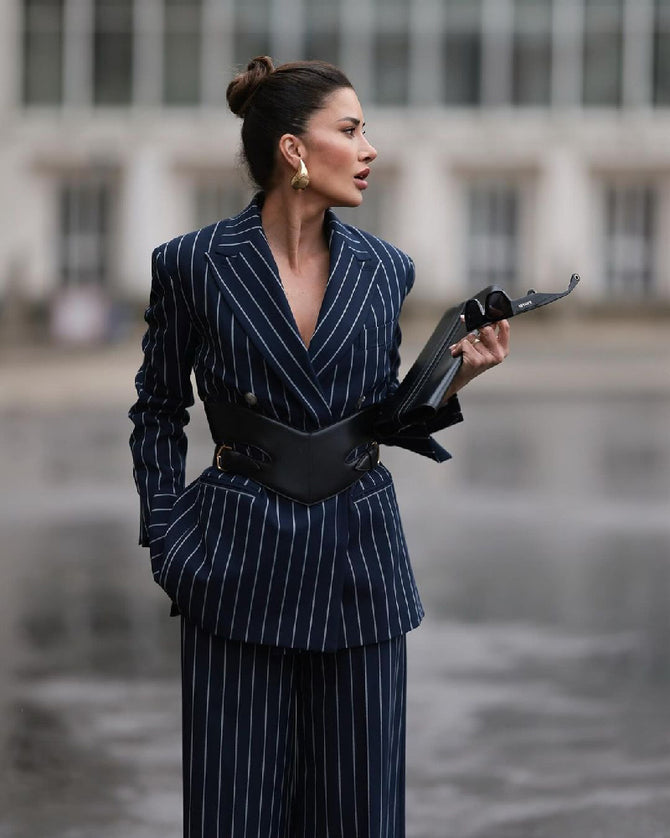


Thinking “how to dress for your figure (women)” usually means one thing: you want outfits that feel like you—comfortable, confident, and flattering—without fighting your closet every morning.
“Dressing for your body type” isn’t about hiding your shape or following strict rules. It’s about balance, proportion, and highlight placement—so your clothes work with your proportions instead of against them. When you know how to style your figure, shopping gets easier, outfits look more intentional, and you can repeat the same “wins” across dresses, jeans, tops, and outerwear.
This guide covers the most searched body shapes—hourglass, pear, apple, rectangle, and inverted triangle—plus practical styling for petite, tall, curvy/plus size, and busty proportions. You’ll also get quick outfit formulas, a shopping checklist, and an FAQ with answers women ask most about how to dress for your figure.
Quick Jump Links
- How to Find Your Body Shape (Measurements & Visual Clues)
- Universal Flattering Principles (Works for Every Figure)
- How to Dress an Hourglass Figure
- How to Dress a Pear (Triangle) Body Shape
- How to Dress an Apple (Round) Body Shape
- How to Dress a Rectangle (Straight) Body Shape
- How to Dress an Inverted Triangle Body Shape
- Petite, Tall, Curvy/Plus Size, Busty: Fit Tweaks That Matter
- Best Dress Styles for Every Body Type (Mini/Midi/Maxi)
- Jeans, Pants & Skirts: Most Flattering Cuts
- Color, Prints & Fabric: The “Level-Up” Details
- Shopping Checklist: How to Tell if It’s Truly Flattering
- 10 Outfit Formulas (When You Don’t Want to Overthink)
- Shop Flattering Styles at Uoozee
- FAQ: How to Dress for Your Figure (Women)
How to Find Your Body Shape (Measurements & Visual Clues)
Body shapes are a shortcut—not a label. Your body can shift with lifestyle, age, and hormones, and you might fit between two categories. That’s normal. The goal is simply to identify where your proportions are widest and where you want to create more balance.
Step 1: Take 4 quick measurements
- Shoulders: measure across the widest point (often the shoulder bone line).
- Bust: measure around the fullest part.
- Waist: measure the narrowest part (or where you naturally bend).
- Hips: measure the fullest part of your hips/seat.
Step 2: Match the pattern (not the “perfect” rule)
- Hourglass: shoulders/bust and hips are similar; waist is noticeably smaller.
- Pear (triangle): hips are wider than shoulders/bust.
- Apple (round): midsection is fuller; legs may be slimmer; waist definition is less pronounced.
- Rectangle (straight): shoulders, waist, and hips are fairly similar; waist definition is subtle.
- Inverted triangle: shoulders/bust are wider than hips.
Pro tip: If you’re in-between shapes, dress for your dominant feature. For example, “rectangle + busty” or “pear + petite.” That’s usually more useful than trying to force a single category.
Universal Flattering Principles (Works for Every Figure)
Before we go body type by body type, these are the “always works” principles behind flattering outfits for women. If you remember nothing else, remember these.
1) Fit first, then style
Even the most “perfect” silhouette won’t flatter if it’s pulling, gaping, or sliding. Look for clean fit at the shoulders, smooth fabric over the bust/hips, and comfortable movement when you sit and raise your arms.
2) Balance your proportions (top vs. bottom)
Most body type dressing comes down to where you add volume: shoulders, waist, hips, or legs. If your top is flowy, pair it with a cleaner bottom. If your skirt is full, keep the top more fitted (or tuck/half-tuck).
3) Create a “waist moment” (even if you don’t emphasize the waist)
Waist definition can be literal (belted, wrap dresses) or visual (cropped jacket, high-rise bottoms, color blocking). A “waist moment” gives outfits structure and makes them look intentional.
4) Use vertical lines to elongate
- Monochrome outfits
- Open-front layers (cardigans, blazers)
- V-necks and deep scoop necklines
- Creases/pleats that run down the leg
5) Place details where you want attention
Ruffles, pockets, contrast seams, shiny fabric, and bold prints pull the eye. Put them where you want to highlight (shoulders, waist, legs) and keep other areas calmer.
6) Fabric changes everything
- Structured fabrics (denim, twill, crisp cotton) create shape and hold lines.
- Drapey fabrics (viscose, crepe, soft knits) skim and soften.
- Stretch is helpful—just avoid overly thin cling that shows every line if that’s not your vibe.
How to Dress an Hourglass Figure
If you’re an hourglass, your superpower is natural balance: shoulders/bust and hips are similar, with a smaller waist. The styling goal is simple: honor your waist and avoid hiding your shape under bulky layers.
Best silhouettes for hourglass women
- Wrap dresses and wrap tops (adjustable, waist-defining)
- Belted midi dresses, fit-and-flare, and tailored sheath styles
- High-waisted jeans/pants with a tucked or fitted top
- Peplum tops (when subtle) to echo waist-to-hip curve
Best necklines & tops
- V-neck, scoop neck, sweetheart necklines
- Wrap or ruched tops that follow the torso
- Fitted knits that don’t ride up
Best bottoms
- Straight-leg, bootcut, and gentle wide-leg (with a defined waist)
- Pencil skirts and A-line midis (depending on personal comfort)
- High-rise styles to anchor the waist
What to be careful with
- Boxy, oversized cuts that erase the waist entirely
- Low-rise bottoms that flatten curves and shorten the leg line
- Bulky layering that adds volume at bust and hip simultaneously
Easy outfit formulas (hourglass)
- Wrap midi dress + heeled sandals + mini shoulder bag
- High-rise straight jeans + fitted knit top + cropped jacket
- Pencil skirt + V-neck blouse + lightweight trench (open)
How to Dress a Pear (Triangle) Body Shape
Pear shapes typically have narrower shoulders and a smaller bust with fuller hips/thighs. Your styling goal is to balance the top and bottom—often by adding visual structure to the upper body while keeping the lower body clean and elongated.
Best tops for pear-shaped women
- Boat neck, square neck, and wider necklines to broaden the shoulder line
- Statement sleeves (puff, cap sleeve, subtle shoulder detail)
- Brighter colors/prints on top with calmer bottoms
- Structured blazers and cropped jackets that end near the waist
Best dresses for pear shapes
- Fit-and-flare and A-line dresses (snug at waist, skim over hips)
- Wrap dresses (waist definition + V-neck elongation)
- Empire waist (if you want less emphasis on hips)
- Midi lengths that hit the mid-calf for a long leg line (paired with a clean shoe)

Best bottoms (pear shape)
- High-rise straight-leg jeans (clean and lengthening)
- Bootcut (balances hips by adding slight width at hem)
- Wide-leg trousers in drapey fabric (skims thighs beautifully)
- Skirts with a smooth hip area (A-line, bias cut) rather than bulky pleats at the hip

What to be careful with
- Low-rise pants (can emphasize hip width and shorten legs)
- Large side pockets or heavy embellishment right on the hips
- Clingy, thin fabrics on the bottom if you prefer a smoother look
Easy outfit formulas (pear)
- Square-neck top + high-rise straight jeans + pointed flats
- Printed blouse + dark wide-leg trousers + cropped blazer
- A-line midi dress + waist belt + block heels
How to Dress an Apple (Round) Body Shape
Apple shapes often carry more fullness through the midsection with a softer waistline, and many apple-shaped women have great legs and a defined bust. The goal is to create length through the torso, add gentle structure, and choose fabrics that skim—not cling.
Best tops for apple shapes
- V-neck and open necklines (elongate and flatter the bust)
- Wrap tops or tops with ruching that creates shape without tightness
- Tunic lengths that skim the midsection (but don’t overwhelm your frame)
- Structured-but-soft layers (blazers with some drape, longline cardigans)

Best dresses for apple shapes
- Wrap dresses (especially in matte, drapey fabrics)
- Shift dresses with shaping seams or subtle waist definition
- Empire waist dresses (define just under the bust, flow over the tummy)
- Midi dresses with a clean vertical line (button front, slit, seam)
Best bottoms (apple shape)
- High-rise stretch jeans with a smooth waistband
- Straight-leg and bootcut (balances the torso visually)
- Wide-leg trousers in drapey fabric for comfort + polish
- Skirts that sit at the natural waist and skim (A-line, bias cut)

Smart styling tricks (apple)
- Monochrome outfits (top and bottom similar tones) to create a long line
- Open-front layers to form vertical “columns”
- Half-tuck instead of full tuck if you prefer less waist emphasis
- Choose matte fabrics and subtle prints; place bold prints away from the midsection if desired
What to be careful with
- Very tight, thin knits that cling at the stomach
- High-contrast color blocking right across the midsection
- Short tops that end at the widest part of the torso (unless paired with a high-rise bottom and a third piece layer)
Easy outfit formulas (apple)
- V-neck blouse + straight-leg jeans + open cardigan + ankle boots
- Wrap midi dress + block heels + delicate necklace
- Longline blazer + fitted tank + wide-leg trousers
How to Dress a Rectangle (Straight) Body Shape
Rectangle shapes usually have similar shoulder, waist, and hip measurements, with a straighter silhouette. The goal isn’t to “fix” anything—it’s to choose whether you want to create curves (with shape and definition) or lean into a sleek, model-off-duty straight line. Both are valid.
Best silhouettes for rectangle body types
- Belted dresses and belted coats (instant definition)
- Wrap dresses and wrap tops (curve illusion)
- Fit-and-flare skirts and dresses (adds hip volume softly)
- High-rise bottoms + cropped tops (defines waist placement)

Best tops
- Ribbed knits, corset-inspired seaming, or subtle ruching
- Peplum (light and structured, not stiff)
- Layering: crop jacket + longer top creates “shape breaks” that read curvier
Best bottoms
- High-rise straight jeans (clean and modern)
- Wide-leg trousers with a fitted top for contrast
- Skirts with movement (A-line, pleated midis, bias skirts)
What to be careful with
- Head-to-toe boxy fits with no contrast (unless you love the oversized aesthetic)
- Low-rise bottoms if you want longer legs and more definition
- Overly stiff fabrics that sit away from the body and look “square”
Easy outfit formulas (rectangle)
- Belted shirt dress + heeled sandals + structured mini bag
- Cropped jacket + fitted tank + high-rise wide-leg pants
- Fit-and-flare midi skirt + knit top + pointed flats
How to Dress an Inverted Triangle Body Shape
Inverted triangle shapes usually have broader shoulders or a fuller bust with narrower hips. The styling goal is to soften and streamline the upper body while adding gentle volume or interest on the lower half for balance.
Best tops for inverted triangles
- V-necks and deep scoop necklines (streamline the chest)
- Raglan sleeves or softer shoulder seams (less shoulder emphasis)
- Solid, darker tops paired with lighter or more detailed bottoms
- Blazers with a clean shoulder (avoid heavy shoulder pads if you prefer a softer look)

Best bottoms
- A-line skirts, pleated midis (volume below balances shoulders)
- Wide-leg trousers (especially high-rise) for a balanced silhouette
- Bootcut jeans (subtle hem flare helps proportions)
- Bottoms with details: prints, lighter colors, texture, or interesting pockets
Best dresses
- Wrap dresses (V-neck + waist definition)
- A-line and fit-and-flare dresses (adds shape at hip)
- One-shoulder can work if you love it—just balance with a fuller skirt/hem

What to be careful with
- Very high necklines paired with tight bottoms (can emphasize shoulder width)
- Big ruffles, puff sleeves, or strong shoulder structure if you’re trying to soften the top
- Skinny jeans with a very structured, wide-shoulder blazer (unless balanced with a longer layer)
Easy outfit formulas (inverted triangle)
- V-neck blouse + A-line midi skirt + ankle-strap heels
- Slim top + high-rise wide-leg pants + minimal jewelry
- Wrap midi dress + sandals + small crossbody
Petite, Tall, Curvy/Plus Size, Busty: Fit Tweaks That Matter
Body shape is one piece of the puzzle. Height, bust, and torso length can change what looks “right” even within the same shape. Here are the most useful adjustments women search for when learning how to dress for your figure.
How to dress petite (women under ~5'4")
- Prioritize high-rise bottoms to lengthen legs.
- Keep hemlines intentional: mini above knee, midi at narrowest part of calf, or maxi that nearly skims the shoe.
- Choose smaller-scale prints (micro florals, fine stripes).
- Use cropped layers (short jackets, cropped blazers) to avoid “swallowing” your frame.
- Pointed-toe flats and low vamps visually extend the leg line.
How to dress tall (women ~5'8" and above)
- Play with long lines: maxi dresses, wide-leg trousers, long coats.
- Low-contrast outfits look especially chic on tall frames.
- Experiment with dropped waists or longer tops if your torso is long.
- Define shape with belts to avoid “too much fabric” feeling in oversized looks.
How to dress curvy/plus size (flattering, not restrictive)
“Flattering” doesn’t mean “tight.” It means shape-aware and well-fitted. The best plus size styling often comes down to fabric quality and seam placement.
- Choose fabrics that skim: crepe, viscose, ponte, structured cotton.
- Look for shaping seams (princess seams, wrap styling, darts).
- Mid-rise to high-rise bottoms with a smooth waistband are usually the most comfortable.
- Necklines matter: V-neck and square neck are often universally flattering.
- Tailoring is a secret weapon: hemming pants or taking in a waist can transform a look.
How to dress busty (without feeling overexposed)
- V-necks (not extreme) reduce visual “bulk” and elongate.
- Wrap styles are great—just make sure the tie sits at your natural waist.
- Avoid stiff high necks that push fabric outward unless balanced with a structured bottom.
- Button-ups: choose ones with stretch or add a cami layer to prevent gaping.
- Support matters: a well-fitted bra changes how every top and dress sits.
Best Dress Styles for Every Body Type (Mini/Midi/Maxi)
When women search “best dress for my body type,” they usually want one answer: a dress that looks amazing with minimal styling. These silhouettes are the most reliable across figures.
Wrap dresses (best all-around)
A wrap dress is the MVP of body type dressing: it creates a waist, flatters the bust, and adjusts to your shape. Choose a midi wrap for the most versatile “wear anywhere” option.
A-line & fit-and-flare (especially pear & inverted triangle)
These dresses define the waist and skim the hips. They’re perfect when you want a classic, feminine silhouette that feels comfortable for walking, sitting, and events.
Sheath dresses (best for hourglass & sleek rectangle looks)
Sheath dresses look best when the fabric has structure (or stretch-structure like ponte). If you’re curvy, prioritize good seaming and enough room at hips/bust without pulling.
Empire waist (friendly for apple & busty proportions)
Empire waist dresses define right under the bust and flow from there. They’re great when you prefer a softer fit over the midsection while still looking polished.
Shirt dresses (works when styled intentionally)
Shirt dresses can be flattering when they have shape—like a tie waist, a belt, or tailoring through the torso. If it looks like office uniform, add accessories and a better shoe to elevate it.
Mini vs. midi vs. maxi: quick guidance
- Mini: highlights legs; great for petites or anyone who wants a longer leg line.
- Midi: most universally flattering; choose a hem that hits at a slimmer part of the calf.
- Maxi: elegant and elongating; best with waist definition or a clean vertical seam/slit.
Jeans, Pants & Skirts: Most Flattering Cuts
Bottoms are where a lot of women struggle—especially with inconsistent sizing. Use these guidelines as a shortcut when shopping for flattering jeans for women and proportion-friendly pants.
Most universally flattering jeans cuts
- High-rise straight-leg: lengthens legs; clean line; works for most body types.
- Bootcut: balances hips/shoulders; looks great with heeled boots.
- Wide-leg (high-rise): elegant, skims thighs, balances many figures.
Body-type shortcuts for bottoms
- Pear shape: straight, bootcut, or wide-leg in darker washes; minimal hip pocket bulk.
- Apple shape: stretch comfort + smooth waistband; straight or bootcut to balance torso.
- Rectangle: high-rise + shaping seams; wide-leg or straight; experiment with pleats.
- Inverted triangle: A-line skirts, wide-leg pants, lighter/printed bottoms to balance shoulders.
- Hourglass: high-rise to highlight waist; avoid gaping with contoured waistbands.
Skirt silhouettes that flatter
- A-line midi: flattering on pear, inverted triangle, and apple shapes.
- Bias-cut skirt: drapey and sleek; great for rectangle and hourglass styling.
- Pencil skirt: best when fabric has stretch and the waist fits comfortably.
- Pleated midi: flattering if pleats lie flat at the hip (or start below hip for pears).
Color, Prints & Fabric: The “Level-Up” Details
If silhouette is the foundation, these details are the glow-up. They’re also the quickest way to make an outfit look more expensive and intentional.
Color placement (the easiest body-shape trick)
- To highlight your top: lighter/brighter top + darker bottom.
- To highlight your bottom: darker top + lighter/printed bottom.
- To look taller: monochrome (similar tones head to toe).
- To define the waist: belt + slight contrast at waistline (not harsh horizontal cuts across the widest area).
Print scale (match to your frame)
- Petite: smaller prints and finer stripes tend to harmonize.
- Tall/curvy: medium to larger prints can look stunning and balanced.
- If you want to minimize an area: choose smaller, lower-contrast prints there.
- If you want to draw attention: choose larger, brighter prints or high contrast.
Fabric cheat sheet
- Best for a smooth, flattering drape: crepe, viscose/rayon, soft woven blends.
- Best for structure and shape: ponte knit, denim, twill, crisp cotton poplin.
- Best for comfort + polish: knit crepe, stretch suiting, structured jersey.
- Be cautious with: super thin clingy knits, shiny satin in daylight, very stiff fabrics that “stand away” from the body.
Small styling upgrades that change everything
- Shoes: pointed toe = longer leg line; block heels = stability + polish.
- Necklines: V-neck and square neck are top-tier for elongation.
- Third piece: blazer/cardigan/coat creates vertical lines and makes outfits look finished.
- Hems: hemming pants or dresses to the right length is one of the most “expensive” tricks.
Shopping Checklist: How to Tell if It’s Truly Flattering
When you’re trying on clothes, don’t rely only on the mirror. Move around. Sit down. Take a quick photo. These checks save you from buying “almost” pieces that never get worn.
The 60-second fitting test
- Shoulders: seams sit where they should; no pulling across upper back.
- Bust: no gaping, no strain lines; fabric lays smoothly.
- Waist/torso: you can breathe and sit comfortably; the waistline hits where you want it.
- Hips/thighs: you can walk without riding up or clinging awkwardly.
- Length: hem hits an intentional point (not the widest part of calf/hips unless that’s your style).
- “Hands up” test: raise arms—does the top become too cropped or pull tight?
Green flags (buy with confidence)
- You don’t need to constantly adjust it.
- You could wear it for 4+ hours comfortably.
- You can style it at least 3 ways with items you already own.
10 Outfit Formulas (When You Don’t Want to Overthink)
These formulas work because they’re built on proportion. Use them as plug-and-play answers to “what should I wear?” for everyday, work, and weekend plans.
Formula 1: The “always flattering” casual look
- High-rise straight jeans
- V-neck knit top (tucked or half-tucked)
- Open cardigan or blazer
- Pointed flats or ankle boots
Formula 2: Pear shape balance
- Statement-sleeve top or square-neck top
- Dark wide-leg pants
- Cropped jacket
- Simple jewelry
Formula 3: Apple shape elongation
- V-neck blouse
- Straight-leg jeans or bootcut
- Longline blazer (open)
- Clean sneakers or low heel
Formula 4: Rectangle curve-creation
- Belted shirt dress or wrap dress
- Minimal sandals
- Structured mini bag
- One “hero” accessory (earrings or belt)
Formula 5: Inverted triangle balance
- Sleek V-neck top
- A-line midi skirt (or printed/lighter bottom)
- Simple sandals
- Light layer if needed
Formula 6: Hourglass highlight
- Wrap top
- High-rise jeans (straight or bootcut)
- Cropped jacket
- Heeled boots
Formula 7: Work-ready polish
- Wide-leg trousers
- Fitted knit top
- Tailored blazer
- Loafers or low block heels
Formula 8: Date night (simple but powerful)
- Midi slip skirt (or bias cut skirt)
- Square-neck top
- Heeled sandals
- Small shoulder bag
Formula 9: Weekend easy dress
- Wrap midi dress or A-line midi
- Sandals or white sneakers (clean and minimal)
- Crossbody bag
- Light cardigan
Formula 10: “I want to look taller”
- Monochrome top + bottom (similar tones)
- Open-front layer (coat/blazer)
- Pointed-toe shoe
- Long necklace (optional) for extra vertical line
Shop Flattering Styles at Uoozee
Once you know how to dress for your figure, shopping becomes less about “trends” and more about finding silhouettes that repeat your best proportions: a great neckline, a defined waist placement, and fabrics that skim beautifully.
If you’re ready to build outfits that feel confident and wearable, explore Uoozee’s women’s styles and filter by the silhouettes that flatter you most—like wrap dresses, midi dresses, high-rise bottoms, wide-leg trousers, and structured layers.
- Hourglass: wrap + belted + high-rise
- Pear: statement tops + clean bottoms
- Apple: V-neck + drape + longline layers
- Rectangle: belted shapes + contrast styling
- Inverted triangle: streamlined top + fuller/interesting bottoms
Shop Flattering Styles on Uoozee
Tip: Use search terms like “wrap dress,” “midi dress,” “high waisted,” “wide leg,” “A-line,” and “V-neck” to quickly find pieces that match your body type styling goals.
FAQ: How to Dress for Your Figure (Women)
How do I know my body shape as a woman?
Measure your shoulders/bust, waist, and hips. If hips are widest you’re likely a pear; if shoulders/bust are widest you may be an inverted triangle; if your midsection is fuller you may be apple; if measurements are similar you may be rectangle; if shoulders and hips are similar with a smaller waist you may be hourglass.
What is the most flattering clothing style for all body types?
Wrap silhouettes, V-necklines, high-rise bottoms, and dresses with waist definition tend to flatter many figures because they create balance and a clean vertical line.
How should an hourglass figure dress?
Hourglass figures usually look best in waist-defining pieces like wrap dresses, belted midis, fitted knits, and high-rise bottoms. Avoid overly boxy fits that hide the waist.
What should pear-shaped women wear to look balanced?
Pear shapes can balance proportions by adding interest up top (square neck, boat neck, statement sleeves) and keeping the lower half streamlined with high-rise straight, bootcut, or wide-leg bottoms in darker tones.
How do apple-shaped women dress flatteringly?
Apple shapes often look great in V-necks, drapey fabrics, wrap styles, and open-front layers that create vertical lines. Choose smooth waistbands and avoid harsh color blocking across the midsection.
How do rectangle body types create curves with clothing?
Rectangles can create definition with belts, wrap styles, fit-and-flare skirts, structured seams, and contrast styling (fitted top + fuller bottom or vice versa).
What is best for an inverted triangle body shape?
Inverted triangles often look balanced with streamlined tops (V-neck, minimal shoulder detail) and fuller or more detailed bottoms like A-line skirts, pleated midis, and wide-leg trousers.
What jeans are most flattering for most women?
High-rise straight-leg jeans are one of the most universally flattering options. Bootcut and high-rise wide-leg jeans are also great for balance and leg length.
How can petite women dress to look taller?
Petite women can look taller with high-rise bottoms, shorter/cropped layers, smaller prints, monochrome outfits, and pointed-toe shoes. Hem lengths that hit intentionally also make a big difference.
Does dressing for your figure mean hiding your body?
No. Dressing for your figure means using proportion, fit, and detail placement to create the look you want—whether that’s emphasizing curves, creating a long line, or leaning into a relaxed silhouette.
