

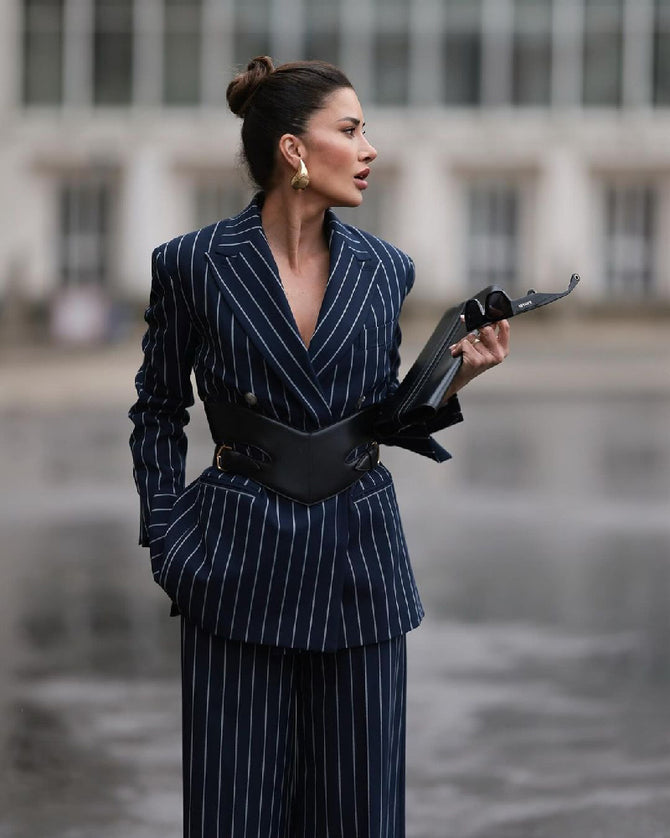


If you are planning a trip and wondering how to dress in Italy, the real answer is not “buy a whole new wardrobe.” It is learning how to look comfortable, polished, and intentional at the same time. In Italy, even relaxed outfits often feel more put together than overly sporty, overpacked, or random looks. That does not mean you need to dress formally all day. It means your outfit works harder when the fit is clean, the fabrics feel good, and every piece has a purpose.
This guide is written for women who want practical, wearable, photo-ready Italy outfit ideas without overcomplicating packing. You will learn what to wear in Italian cities, what feels right for churches and museums, how to dress by season, what shoes actually make sense on cobblestones, and how to build outfits you can wear from morning sightseeing to dinner. The goal is not to imitate anyone else. The goal is to help you feel confident, appropriate, and stylish in the places you are actually going.
Whether you are planning Rome, Florence, Venice, Milan, Lake Como, the Amalfi Coast, Sicily, or a mixed itinerary, this article covers the questions you are most likely to have about what to wear in Italy, what to wear in Italy in summer, Italy outfit ideas for women, and what to wear in Italy for church visits.
Quick Jump Links
- What Dressing Well in Italy Really Means
- What to Wear in Rome, Florence, Venice, and Milan
- What to Wear to Churches, Museums, and Historic Sites
- What to Wear in Italy by Season
- What to Wear by Region and Occasion
- Shoes, Bags, Fabrics, and Packing Strategy
- 10 Easy Italy Outfit Formulas
- Shop Italy-Ready Looks
- FAQ
What Dressing Well in Italy Really Means
When people ask how to dress in Italy, they often imagine two extremes: either glamorous city outfits or ultra-casual vacation clothes. Real life sits in the middle. The smartest Italy wardrobe usually combines three things:
- Comfort for walking: because you will probably walk more than you expect.
- Light structure: because outfits feel more polished when the silhouette has shape.
- Versatility: because the same dress may need to work for a café, a museum, a train, and dinner.
A good Italy outfit does not have to be expensive or complicated. It simply looks intentional. That usually means fewer pieces that do more, better fabrics, easier layers, and shoes you can actually wear for hours. A flowing dress with clean sandals looks better than a trendy outfit that is uncomfortable by noon. A trench over a simple dress often feels more sophisticated than a suitcase full of “statement” items you barely wear.
So if you want the simplest rule, use this: dress relaxed, but never sloppy. Choose pieces that breathe well, move easily, and still look refined in photos. That is why dresses, jumpsuits, skirt sets, and lightweight outerwear work so well for Italy.
The easiest mindset: pack for movement, layers, and polished simplicity. If you can walk in it, sit in it, and wear it again for dinner with only a small accessory change, it is probably a strong Italy piece.
What to Wear in Rome, Florence, Venice, and Milan
What to wear in Rome
Rome usually asks a lot from your outfit. You may start the day at a historic site, continue through churches or museums, stop for lunch, keep walking, and still want to look presentable at dinner. That is why easy dresses with shape work so well here. A midi dress, a polished jumpsuit, or a skirt set gives you enough comfort for daytime without feeling underdressed later.
Rome also rewards practical shoes. Streets can be uneven, and long sightseeing days make purely decorative footwear a mistake. If your shoe choice cannot survive stairs, stone, and heat, it is not the right shoe for Rome.
What to wear in Florence
Florence often feels slightly softer and more romantic in style. You can lean into breathable fabrics, subtle prints, flattering waists, and outfits that feel refined without being rigid. Think dresses that move well, polished flats, a light layer, and accessories that stay simple.
If your itinerary includes churches, galleries, and old streets all in one day, a midi length is especially useful. It feels put together, photographs beautifully, and gives you fewer “Is this too short for where I am going?” moments.

What to wear in Venice
Venice is beautiful, but it is not the place for unstable shoes, heavy bags, or outfits that only work when you are standing still. You want something light, easy to move in, and elegant without trying too hard. Breathable dresses, low block heels, refined flats, and easy layers make more sense than anything bulky or fussy.
Because Venice can involve bridges, walking, and close spaces, compact outfits win. A soft midi, a sleeveless dress with a layer, or a clean jumpsuit often makes more sense than anything oversized and complicated.
What to wear in Milan
Milan usually supports slightly sharper styling. You do not need to look formal, but you can lean more minimal, tailored, and modern. Solid colors, clean necklines, strong outerwear, and coordinated pieces feel right here. If Rome invites ease, Milan invites precision.
This is where a trench, a structured dress, or a polished matching set can instantly make your outfit feel stronger. You still want comfort, but your look can be more defined and sleek.
For a versatile city-first wardrobe, browse midi dresses that can move easily from sightseeing to a nicer dinner without needing a full outfit change.
What to Wear to Churches, Museums, and Historic Sites in Italy
One of the most important parts of planning what to wear in Italy is remembering that your day may include religious or historic spaces. Even when the weather is hot, it is smart to keep a lightweight layer with you. That could be a cardigan, a light shirt, or a simple wrap. It gives you more flexibility and helps your outfit feel more complete.
If you are visiting churches or religious sites, it is wise to avoid outfits that feel too bare, too short, or too beachy. A midi dress, a jumpsuit with coverage, or a skirt set with a modest top makes the day easier. You will not need to rethink your outfit every time you enter another building.
The best approach is not to overcorrect into something heavy or severe. You still want breathable fabrics and comfort. You just want enough coverage to move through cultural spaces without stress. That is one reason a longer dress or coordinated set often works better than a tiny dress you only packed because it looked good in vacation photos.
Easy fix: carry one light layer in your bag every day. It solves temperature changes, adds polish, and makes your outfit more adaptable for churches, cooler interiors, and evenings.
What to Wear in Italy by Season
What to wear in Italy in spring
Spring in Italy can feel fresh, sunny, breezy, or unexpectedly cool, sometimes all in one trip. This is the season for smart layers. A dress with a light outer layer, comfortable flats, and a bag that is easy to carry works better than trying to pack for one exact temperature.
For spring, aim for pieces that look soft but still have shape: midis, skirt sets, light knit layers, and an outer piece you can throw on without ruining the outfit. Florals can work beautifully, but they are not required. Solid colors, muted prints, and classic neutrals all feel right.
A trench coat is especially useful in spring because it adds structure without making you feel overdressed. It also helps a simple outfit feel more intentional the second you put it on.

What to wear in Italy in summer
What to wear in Italy in summer is one of the most common questions for a reason. Summer usually calls for breathable fabrics, lighter colors, and shoes that can handle long walking days without trapping heat. This is where linen blends, soft woven fabrics, sleeveless dresses with a light layer, and polished sandals become your best friends.
The biggest summer mistake is confusing “hot weather” with “wear the least possible fabric.” In practice, a better answer is choosing lightweight, airy pieces with better coverage and better movement. A midi dress in a breathable fabric often feels cooler and more elegant than a tight mini dress. A relaxed jumpsuit can work better than shorts if you want a more polished silhouette.
Summer is also when you want to be careful with shoes. Super flat sandals with no support may look pretty in the hotel mirror and feel terrible by lunch. Choose sandals or flats that actually work for movement.
For warm-weather packing, a curated edit of vacation dresses makes it easier to build outfits that feel breezy, feminine, and practical for day-to-night plans.
What to wear in Italy in fall
Fall is one of the easiest seasons to dress for because the textures and colors naturally feel richer. Midi dresses, skirt sets, jumpsuits, light knits, and trench coats all work well. Earth tones, navy, deep green, soft brown, burgundy, and classic black can feel especially strong in autumn.
This is also the season when an outfit benefits from slightly more structure. You do not need heavy winter pieces, but you do want to feel prepared for cooler mornings and evenings. A fall Italy outfit should look layered, not bulky.
What to wear in Italy in winter
Winter dressing depends heavily on where you are going, but the best formula is still simple: start with an outfit that looks good indoors, then add outerwear that feels sleek instead of oversized and clumsy. Knit dresses, long-sleeve dresses, coordinated sets, boots, and a strong coat all work well.
If you are moving between cities, trains, museums, and dinners, the most useful winter outfits are the ones that layer neatly. A heavy coat over a shapeless base can make you feel frumpy all day. A clean dress, set, or jumpsuit under a good coat usually feels better.
What to Wear by Region and Occasion
Southern Italy and coastal trips
For southern Italy, Sicily, Puglia, Capri, or the Amalfi Coast, your outfits can feel lighter and more relaxed, but you still want polish. Flowing dresses, easy sandals, soft woven fabrics, and clean accessories make sense. Beachwear should stay beachwear. Once you move into town, lunch, shopping, or dinner, a real outfit always works better than something that looks like a cover-up.
Lake Como and more elevated destinations
If your trip includes somewhere more refined or romantic, lean slightly dressier. That does not mean formal. It means more intentional lines, elegant fabrics, better bags, and accessories that look chosen rather than random. A sleek midi, a matching set, or a drapey jumpsuit is often enough.
Dinners and evenings in Italy
Evening dressing in Italy does not require a separate suitcase, but it does reward simple upgrades. Swap daytime flats for a better sandal. Add earrings. Carry a smaller bag. Choose a layer that looks like part of the outfit. You do not need sequins to look dinner-ready. You need balance.
If you prefer coordinated pieces over dresses, a polished skirt set can be a strong option for dinners, city strolling, and plans where you want something feminine but slightly more styled than a basic day dress.
Active sightseeing days
There are days in Italy when you will simply do a lot: stations, stairs, museums, long walks, lunch, more walking, then maybe drinks. These are not the days for fussy fits or anything you constantly need to adjust. The best active-day outfits feel easy but still polished: a midi dress, a sleeveless dress with a layer, or a jumpsuit that lets you move freely.

A well-cut jumpsuit is especially useful when you want one-piece ease without defaulting to a dress. It feels modern, packs well, and can shift from daytime exploration to a dinner setting with minimal effort.
Shoes, Bags, Fabrics, and Packing Strategy
Shoes for Italy
The best shoes for Italy are the ones that support walking and still look refined. Block heels, elegant flats, polished sandals, and comfortable low-profile sneakers can all work depending on your itinerary. The question is not “Are these trendy?” The question is “Can you actually wear them for hours?”
Very thin heels, flimsy sandals, and shoes with no support are common packing mistakes. Cobblestones, stairs, bridges, and long museum days punish bad shoe decisions quickly. If your outfit only works with difficult shoes, rebuild the outfit.
Bags for Italy
A medium or small bag that keeps your hands free is usually the easiest option. You want something secure, easy to carry, and not so large that it weighs you down by mid-afternoon. Oversized tote bags can feel useful at the airport and annoying everywhere else.
Best fabrics
For warm weather, choose breathable woven fabrics, linen blends, soft cottons, and drapey materials that do not cling too much. For transitional seasons, look for light knits, crepe, and pieces that layer neatly. Good fabric makes an outfit feel calmer and more elevated.
How to pack less but dress better
The easiest Italy wardrobe is usually built around a small set of repeating pieces:
- 2 to 3 dresses you genuinely like wearing
- 1 coordinated set or jumpsuit
- 1 strong outer layer
- 2 shoe options that can handle walking
- 1 bag that works day and evening
That is enough for many trips because the styling does the work. You do not need endless options. You need better combinations.
10 Easy Italy Outfit Formulas
If you are overthinking your suitcase, use these formulas. They are built to answer the real question behind how to dress in Italy: “What can you wear that looks right, feels comfortable, and works in real life?”
1) Rome sightseeing day
- Breathable midi dress
- Comfortable refined sandals or flats
- Light layer in your bag
- Small crossbody bag
2) Florence museum + dinner
- Soft dress with waist definition
- Elegant flat or block heel
- Delicate jewelry
- Light outer layer for evening
3) Venice walking day
- Easy midi or sleeveless dress
- Supportive flats or sandals
- Compact bag
- Simple scarf or cardigan
4) Milan city look
- Structured dress or coordinated set
- Sharp flat, low heel, or sleek sneaker
- Modern bag
- Tailored outer layer
5) Amalfi Coast or Capri daytime outfit
- Flowing vacation dress
- Polished sandals
- Minimal jewelry
- Sunglasses and a light layer
6) Church-friendly summer outfit
- Midi dress or jumpsuit with clean neckline
- Light cardigan or wrap
- Comfortable sandals
- Small bag
7) Spring city outfit
- Dress or set with light texture
- Trench coat
- Closed-toe flat or block heel
- Compact bag
8) Fall train-to-dinner outfit
- Jumpsuit or midi dress
- Easy outer layer
- Comfortable low heel or boot
- Simple earrings
9) Lake Como romantic dinner
- Elegant midi or matching set
- Dressier sandal or low heel
- Small structured bag
- Lightweight layer
10) Minimalist capsule outfit
- One polished dress
- One good coat or trench
- One shoe you trust
- One small bag
- One accessory detail
The common thread in all of these is simple: the best Italy outfits do not fight your day. They move with it.
Shop Italy-Ready Looks
Dressing for Italy becomes much easier when your wardrobe starts with pieces that already feel feminine, wearable, and versatile. You do not need a suitcase full of trend pieces. You need a few silhouettes that can handle walking, layering, city photos, cultural stops, and a better dinner plan without looking out of place.
If you want easy one-piece outfits that work especially well for Italy, browse polished dresses, jumpsuits, coordinated sets, and light layers that feel comfortable and refined at the same time.
FAQ – How to Dress in Italy
How should a woman dress in Italy?
The easiest approach is to dress comfortably but with polish. Choose pieces that feel breathable, flattering, and easy to walk in, such as midi dresses, jumpsuits, coordinated sets, and light outerwear. The goal is not formality. The goal is looking intentional.
What should you not wear in Italy?
It is usually best to avoid outfits that feel overly sloppy, overly sporty, or difficult for walking. Very flimsy shoes, shapeless layers, and pieces that only work in beach settings often become frustrating on a real Italy itinerary.
Can you wear sneakers in Italy?
Yes, especially if they are clean, comfortable, and visually simple. Low-profile sneakers can work well for long days. The key is choosing a pair that looks polished rather than athletic or bulky.
What should you wear in Italy in summer?
In summer, breathable dresses, light jumpsuits, linen blends, soft woven fabrics, and comfortable sandals are usually the best choices. A light layer is still useful for churches, museums, interiors, and evenings.
What should you wear in Italy in spring?
Spring outfits work best with flexible layering. Think dresses, light knits, a trench, comfortable flats, and fabrics that feel good across changing temperatures.
What should you wear in Italy in fall?
Fall is ideal for richer colors, light layering, midi dresses, jumpsuits, trench coats, and coordinated sets. You want warmth without bulk and structure without stiffness.
Do you need to dress modestly in Italy?
For everyday city life, you do not need to dress conservatively in a strict way. But for churches and religious sites, it is smart to choose outfits with enough coverage and carry a layer, especially in warm weather.
Can you wear shorts in Italy?
Yes, depending on weather and occasion, but dresses, skirts, or lightweight trousers often feel more versatile for mixed itineraries. If you plan to enter churches or similar spaces, longer and more polished options usually make the day easier.
What shoes are best for Italy?
Supportive flats, polished sandals, block heels, and sleek sneakers are often the strongest options. The best shoe is the one you can walk in comfortably for hours.
How many outfits should you pack for Italy?
You usually need fewer outfits than you think. A small capsule built around dresses, a set or jumpsuit, one outer layer, two pairs of practical shoes, and one versatile bag can cover a lot of situations.
What is the best dress length for Italy?
Midi length is often the most useful. It works well for walking, sightseeing, dining, and more modest settings, while still feeling feminine and easy to style.
How do you look stylish in Italy without overpacking?
Focus on repeatable pieces, comfortable shoes, and layers that elevate simple outfits. Looking stylish is usually more about fit, fabric, and coordination than packing a huge number of items.
