



You may already own a dress that falls somewhere between your knee and ankle, but still wonder what to call it. Is it a midi dress? A tea-length dress? A long dress? The answer matters when you are choosing outfits online, planning what to wear to work, packing for vacation, or trying to find a wedding guest dress that feels polished without looking too formal.
A midi dress is a women’s dress with a hemline that usually falls below the knee and above the ankle, most often around the mid-calf. That in-between length is what makes it so wearable. It gives you more coverage than a mini dress, feels easier to move in than many floor-length styles, and shows enough of your shoes to make the outfit feel finished.
If you want one dress category that can work for everyday outfits, office days, brunch, travel, date night, casual weddings, garden parties, and dinner plans, the midi dress is one of the most useful choices in a modern wardrobe. This guide explains what a midi dress is, how long a midi dress should be, how it compares with mini and maxi dresses, which styles flatter different body types, and how to choose a midi dress that feels right for your life.
Quick Jump Links
- What Is a Midi Dress?
- How Long Is a Midi Dress?
- Midi Dress vs. Mini Dress vs. Maxi Dress
- Why Midi Dresses Are So Popular
- Types of Midi Dresses
- How to Choose a Midi Dress for Your Body and Height
- What Occasion Is a Midi Dress For?
- Best Midi Dress Fabrics by Season
- How to Style a Midi Dress
- Midi Dress Styles to Consider
- Common Midi Dress Mistakes to Avoid
- Find Your Midi Dress at Uoozee
- FAQ
What Is a Midi Dress?
A midi dress is a dress with a hemline that sits between the knee and the ankle. In everyday shopping language, it usually means the dress ends around the lower knee, upper calf, or mid-calf area. The exact point can vary based on the design and your height, but the main idea stays the same: a midi dress is not short like a mini and not full-length like a maxi.
That middle length is the reason midi dresses feel so versatile. You get enough coverage for work, family gatherings, daytime events, and cooler weather, but the dress still shows your ankles or lower legs, so the outfit does not feel heavy. It also gives your shoes space to be part of the look, whether you choose flats, sandals, sneakers, boots, pumps, or strappy heels.
The midi dress category includes many silhouettes: shirt dresses, wrap dresses, A-line dresses, pleated dresses, bodycon dresses, high-waisted dresses, floral dresses, solid-color dresses, long-sleeve dresses, sleeveless dresses, and dressier midi styles for events. What connects them is the hemline, not one specific cut.
What does midi mean in women’s dresses?
Midi means “middle” in the sense of length. When you are choosing a dress, a midi length usually sits between a mini and a maxi. It is long enough to feel polished and feminine, but short enough to remain practical for walking, sitting, commuting, and showing your shoes.
Is a midi dress formal or casual?
A midi dress can be casual, work-friendly, dressy casual, or formal depending on the fabric and styling. A cotton or shirt-style midi dress feels relaxed. A pleated or floral midi dress feels polished. A fitted midi dress with heels can feel evening-ready. A midi length gives you a strong base, while the rest of the design decides the mood.
How Long Is a Midi Dress?
A midi dress usually falls below the knee and above the ankle. The most common midi length ends around the mid-calf, but there is room for variation. Some midi dresses stop just below the knee, while others sit closer to the lower calf. On a petite woman, the same dress may look longer. On a tall woman, it may look slightly shorter.
Common midi dress lengths
- Below-the-knee midi dress: A shorter midi that feels easy for work, lunches, and everyday wear.
- Classic mid-calf midi dress: The most recognizable midi length, feminine and balanced.
- Long midi dress: Falls closer to the ankle but still shows the lower leg or shoe line.
- Asymmetric midi dress: Uses an uneven hemline to create movement while staying in the midi category.
The best midi length is the one that hits a flattering point on your leg. For many women, that means slightly above or below the widest part of the calf. If the hem ends exactly at the widest point, the leg can look shorter or heavier than it is. This does not mean you must avoid mid-calf dresses; it means shoe choice and silhouette become more important.
Should a midi dress cover your calves?
It can, but it does not have to cover them fully. Some midi dresses show more calf, while others cover most of it. If you want a lighter look, choose a slit, an A-line shape, a vertical print, or a shoe that opens the ankle. If you prefer more coverage, choose a longer midi with soft movement rather than stiff fabric.
Midi Dress vs. Mini Dress vs. Maxi Dress
When you are comparing dress lengths, the easiest way to decide is to think about coverage, movement, and occasion. A mini dress shows more leg and feels youthful or playful. A midi dress gives balance and polish. A maxi dress gives more coverage and drama.
Midi dress
A midi dress usually ends between the knee and ankle, often around the calf. Choose it when you want a dress that feels feminine, practical, and adaptable. It works especially well when you want to look put together without feeling overdressed.
Mini dress
A mini dress ends above the knee. It can be fun, bold, and easy for casual plans, warm weather, vacations, and nights out. It usually feels less covered than a midi, so styling and occasion matter more.
Maxi dress
A maxi dress falls to the ankle or lower. It gives a longer line, more coverage, and a flowing silhouette. Choose it when you want more drama, resort energy, modest coverage, or a full-length look.
A helpful wardrobe rule is this: choose a mini dress when you want a shorter and more playful look, choose a midi dress when you want balance and polish, and choose a maxi dress when you want more length, flow, and coverage.
Why Midi Dresses Are So Popular
Midi dresses are popular because they solve the problem many women face when buying dresses: you want something flattering, comfortable, and versatile, but you do not want to feel too exposed or too formal. A midi dress gives you that middle ground.
1) They feel polished without trying too hard
The midi length naturally looks intentional. Even a simple solid-color midi dress can feel more put together than a shorter casual dress because the length adds structure and elegance. This makes midi dresses especially useful for days when you want an easy outfit that still looks considered.
2) They work with many shoe types
Because midi dresses show the lower leg and shoes, your footwear can change the whole mood. Sneakers make the dress casual. Flats make it practical. Boots make it seasonal. Block heels make it event-ready. Strappy heels make it more feminine and evening-friendly.
3) They are easy to wear across seasons
A sleeveless midi dress works in summer. A long-sleeve midi dress works in fall and winter. A shirt-style midi can transition from spring to autumn with layers. Add a cardigan, blazer, trench, denim jacket, or long coat, and the same length stays useful across the year.
4) They suit many occasions
A midi dress can be casual enough for errands and elevated enough for a wedding guest outfit. The key is choosing the right fabric, print, and accessories. That flexibility makes midi dresses a smart purchase if you want clothing that can be worn more than once.
Types of Midi Dresses
Since “midi dress” describes length, you will find many different styles. The best one depends on the shape you like and where you plan to wear it.
Shirt midi dress
A shirt midi dress has details inspired by button-down shirts: a lapel, buttons, collar, pockets, or a straight front placket. It feels relaxed but neat, especially when the fabric has structure. Wear it with flats or sandals for daytime, or add a belt and heeled boots for a sharper look.
A-line midi dress
An A-line midi dress gently widens from the waist or upper body. It gives movement without clinging and flatters many body types. This is a strong choice when you want comfort, femininity, and a shape that works for both casual and dressier plans.
Wrap midi dress
A wrap midi dress defines the waist and creates a V-shaped neckline. It is adjustable, flattering, and easy to style. Wrap midis work beautifully for brunch, vacation dinners, casual weddings, and work-friendly outfits when the neckline and fabric are appropriate.
Pleated midi dress
A pleated midi dress adds texture and vertical movement. Pleats can make the dress look lighter and more refined. This style is especially helpful when you want a dress that feels graceful without being overly formal.
Bodycon midi dress
A bodycon midi dress follows the shape of the body. Because the hemline is longer, it can feel more balanced than a short bodycon dress. Choose a thicker fabric and clean neckline if you want it to look sophisticated rather than too revealing.
Floral midi dress
A floral midi dress is one of the easiest choices for spring, summer, vacations, garden events, and daytime weddings. The length keeps it polished, while the print adds softness and personality.
Long-sleeve midi dress
A long-sleeve midi dress is ideal for transitional weather, office days, autumn outings, and cooler evenings. It gives coverage while still showing the lower leg, which keeps the outfit from feeling too heavy.
How to Choose a Midi Dress for Your Body and Height
The best midi dress is not simply the one that looks good on a model. It should work with your height, proportions, lifestyle, and shoes. A few small details can make a big difference.
If you are petite
Choose a midi dress that creates vertical lines. A V-neck, front buttons, a slit, a high waist, a narrow print, or a monochrome look can help elongate your frame. A hem that falls just below the knee or slightly above the widest part of the calf may feel easier than a very long midi. Pairing the dress with pointed flats, sandals that show the foot, or low heels can also help.
If you are tall
You can wear classic mid-calf lengths, long midis, bold prints, wide skirts, and statement sleeves beautifully. Just check the listed length if you want a true midi effect, because some dresses may look closer to knee-length on a taller body.
If you want more waist definition
Look for wrap dresses, belted styles, elastic waists, high-waisted cuts, or dresses with shaping seams. These details create structure without needing a tight fit. A belt can also make a loose midi dress feel more intentional.
If you want an easy relaxed fit
Choose a loose shirt dress, A-line shape, soft pleated skirt, or lightweight fabric. The goal is comfort with enough structure that the dress still looks styled. Pockets, lapels, sleeve shape, and clean buttons can make a relaxed midi dress look polished.
If you are curvy
Choose fabrics with drape rather than stiffness, and look for waist definition where you want shape. A wrap midi, high-waisted midi, V-neck midi, or A-line midi can create balance. If you like bodycon styles, choose a fabric with enough thickness so the dress feels smooth and supportive.
What Occasion Is a Midi Dress For?
The midi dress is one of the few dress lengths that can move across many parts of your life. It is covered enough for more polished settings, but not so long that it feels dramatic or difficult to wear.
Everyday outfits
For everyday wear, choose a casual midi dress in a breathable fabric or easy silhouette. Shirt dresses, loose A-line midis, and printed styles work well with sneakers, sandals, flats, and crossbody bags. This is the kind of dress you can wear for errands, coffee, travel days, and relaxed weekend plans.
Work and office outfits
A midi dress is one of the most office-friendly dress lengths. Choose a solid color, lapel neckline, shirt-dress shape, long sleeves, or clean waist detail. Add flats, loafers, low heels, a blazer, or a structured bag. Avoid overly high slits, sheer fabrics, or bodycon fits that feel too evening-focused.
Wedding guest outfits
A midi dress is often the safest length for a wedding guest. It feels polished but not overdone, and it works well for garden weddings, daytime ceremonies, restaurant receptions, and semi-formal events. Floral prints, pleats, soft colors, and elegant necklines are especially useful here.
Vacation and travel
For travel, midi dresses are practical because they give coverage while still letting you walk easily. Choose a fabric that moves well and does not feel too precious. A buttoned shirt midi or floral A-line midi can go from sightseeing to dinner with a change of shoes.
Date night and dinner
For date night, choose a midi dress with a flattering neckline, defined waist, subtle slit, or interesting sleeve. Add heeled sandals, a small bag, and jewelry. The midi length keeps the look elegant while still feeling feminine.
Best Midi Dress Fabrics by Season
Fabric decides whether your midi dress feels casual, polished, breathable, warm, or dressy. The same hemline can look very different depending on material.
Spring
Spring midi dresses look great in cotton blends, soft woven fabrics, lightweight polyester, pleats, and floral prints. Add a cardigan or cropped jacket when the weather changes. Pastels, fresh florals, and light neutrals feel natural in this season.
Summer
Summer midi dresses should feel cool and easy. Sleeveless shirt dresses, loose A-line silhouettes, breathable cotton, light blends, and open necklines work well. A midi length gives coverage while still being easier to walk in than a floor-length dress.
Autumn
Autumn is a strong season for midi dresses because the length pairs well with boots, blazers, and deeper colors. Long sleeves, mock necks, buttoned fronts, earth tones, and richer prints can make a midi dress feel seasonal and polished.
Winter
Winter midi dresses work best with long sleeves, heavier knits, structured fabrics, or layering pieces. Wear them with tall boots, ankle boots, coats, tights, and warm accessories. A midi hem is practical in winter because it gives coverage without dragging on wet ground.
How to Style a Midi Dress
Styling a midi dress is about proportion. Since the hemline sits between short and long, your shoes and layers affect the final look a lot.
Shoes to wear with a midi dress
- Flats: Best for work, errands, and clean everyday outfits.
- Sneakers: Great for casual midi dresses and travel days.
- Block heels: A reliable choice for weddings, dinners, and dressy casual events.
- Strappy sandals: Make the dress feel lighter in warm weather.
- Ankle boots: Strong for fall and winter, especially with long-sleeve midis.
- Tall boots: Create a sleek cold-weather look when the hem and boot shaft overlap slightly.
Bags to pair with a midi dress
A midi dress works with many bag types. A crossbody bag makes it casual. A structured shoulder bag makes it office-friendly. A mini bag makes it city-chic. A clutch makes it event-ready. If the dress is printed, keep the bag simple. If the dress is solid, use texture, shape, or color to add interest.
Jewelry tips
Let the neckline guide your jewelry. A mock neck or high neck often looks best with earrings. A V-neck works well with a pendant. A shirt dress can look great with layered necklaces or a statement earring. For bold floral or contrast prints, choose quieter jewelry so the dress stays the focus.
Layers that work with midi dresses
Try a cropped jacket when the dress has volume, a blazer when you want a smarter look, a cardigan for softness, a trench for spring and fall, or a long coat for winter. The layer should support the shape of the dress rather than hide it completely.
Midi Dress Styles to Consider
When you choose a midi dress, think about where you want to wear it. Do you need a casual day dress, a travel-friendly piece, a work-friendly shirt dress, a wedding guest option, or something polished for dinner? These Uoozee styles and related collections can help you narrow your choice.
Product picks to consider
 Sleeveless Buttoned Midi Shirt Dress
A clean everyday midi dress for warm weather, travel, casual office days, and easy styling.
Sleeveless Buttoned Midi Shirt Dress
A clean everyday midi dress for warm weather, travel, casual office days, and easy styling.
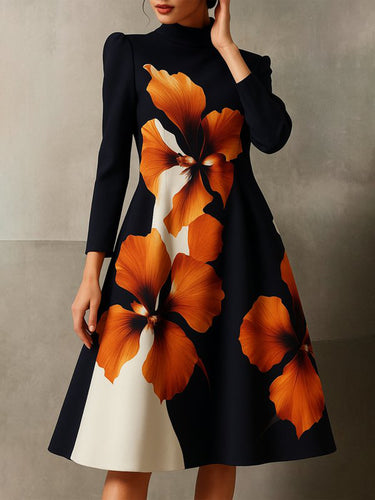 A-Line Floral Mock-Neck Midi Dress
A polished floral midi for spring, autumn, dinner plans, and refined daytime outfits.
A-Line Floral Mock-Neck Midi Dress
A polished floral midi for spring, autumn, dinner plans, and refined daytime outfits.
 Floral Buttoned A-Line Midi Dress
A feminine shirt-inspired midi dress for vacations, brunch, outdoor plans, and relaxed events.
Floral Buttoned A-Line Midi Dress
A feminine shirt-inspired midi dress for vacations, brunch, outdoor plans, and relaxed events.
 Flared-Sleeve Floral V-Neck Midi Dress
A breezy printed midi dress for resort days, warm-weather dinners, and polished vacation outfits.
Flared-Sleeve Floral V-Neck Midi Dress
A breezy printed midi dress for resort days, warm-weather dinners, and polished vacation outfits.
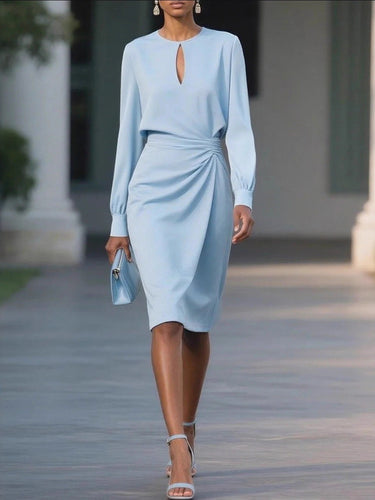 High-Waisted Pleated Midi Dress
A soft solid-color midi dress for office outfits, dinners, and more elegant everyday moments.
High-Waisted Pleated Midi Dress
A soft solid-color midi dress for office outfits, dinners, and more elegant everyday moments.
Related collections for your next outfit
 Wedding Guest Dresses
Explore polished midi and long dresses for ceremonies, receptions, and dressy celebrations.
Wedding Guest Dresses
Explore polished midi and long dresses for ceremonies, receptions, and dressy celebrations.
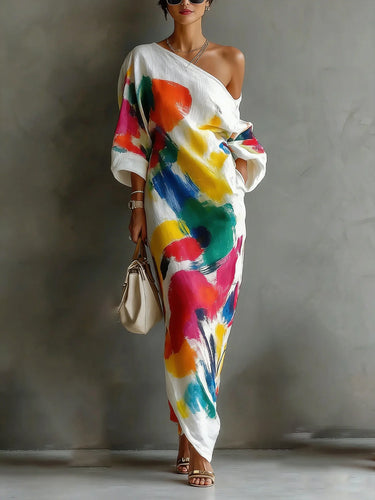 Vacation Dresses
Find easy dresses for warm-weather trips, resort plans, and suitcase-friendly outfits.
Vacation Dresses
Find easy dresses for warm-weather trips, resort plans, and suitcase-friendly outfits.
 Women’s Jumpsuits
Try a one-piece alternative when you want midi-level polish without wearing a dress.
Women’s Jumpsuits
Try a one-piece alternative when you want midi-level polish without wearing a dress.
Common Midi Dress Mistakes to Avoid
A midi dress is one of the easiest dress lengths to wear, but a few details can make the difference between flattering and awkward.
Choosing a hemline that cuts the calf harshly
If the hem hits the widest part of your calf and the shoe closes off the ankle, the leg can look shorter. Try a slightly higher or lower hem, a slit, a pointed shoe, or a sandal that opens the foot.
Ignoring your shoes
Midi dresses make shoes visible, so footwear matters. Heavy shoes can make the lower half feel bulky. For a lighter look, choose shoes that show the ankle, have a pointed toe, or create a clean line.
Buying a fabric that does not match the occasion
A thin casual fabric may feel too relaxed for a wedding or dinner. A shiny formal fabric may feel too much for daytime errands. Let the occasion guide the material.
Letting a loose midi dress look shapeless
Loose midi dresses can be chic, but they need at least one form-giving detail: a collar, buttons, pleats, pockets, belt, defined shoulder, or clean neckline. Small structure makes the outfit look intentional.
Over-styling a bold print
A floral or contrast print midi dress already has personality. Let the dress lead. Keep jewelry, shoes, and bags simple enough that the outfit feels polished rather than crowded.
Find Your Midi Dress at Uoozee
A midi dress is more than a “middle-length” dress. It is one of the easiest ways to look feminine, polished, and comfortable without choosing between coverage and movement. Whether you want a casual shirt midi for warm days, a floral midi for vacation, a pleated midi for office-to-dinner outfits, or a wedding guest midi dress, start with the occasion and then choose the shape that feels best on your body.
Explore midi dresses with clean collars, soft pleats, floral prints, high waists, pockets, and easy silhouettes designed for real outfits you can wear again.
FAQ – What Is a Midi Dress?
What is a midi dress?
A midi dress is a dress with a hemline that falls between the knee and the ankle, often around the mid-calf. It gives more coverage than a mini dress and is shorter than a maxi dress.
Why is it called a midi dress?
It is called a midi dress because the length sits in the middle range between mini and maxi. The name refers to hemline, not to one specific style or level of formality.
How long should a midi dress be?
A midi dress usually ends below the knee and above the ankle. The most classic midi length falls around the mid-calf, but the best length depends on your height, shoes, and preferred proportion.
What is the difference between a midi dress and a maxi dress?
A midi dress ends between the knee and ankle. A maxi dress is longer and usually falls to the ankle, foot, or floor area. Midi dresses feel practical and polished, while maxi dresses give more flow and coverage.
Can you wear a midi dress casually?
Yes. Choose a shirt-style, loose, cotton-blend, floral, or simple A-line midi dress and style it with sneakers, flats, sandals, or a crossbody bag.
Can a midi dress be formal?
Yes. A midi dress can look formal when it uses refined fabric, pleats, a structured shape, an elegant neckline, or dressier accessories such as heels, jewelry, and a small bag.
Are midi dresses flattering?
Midi dresses can be very flattering because they balance coverage and shape. Choose the right waistline, hem placement, neckline, and shoe style for your body and height.
Can short women wear midi dresses?
Yes. Petite women can wear midi dresses beautifully. Look for high waists, V-necks, vertical details, slits, and hemlines that do not end at the widest part of the calf.
What shoes do you wear with a midi dress?
You can wear flats, sneakers, sandals, block heels, ankle boots, tall boots, or strappy heels with a midi dress. Choose the shoe based on the occasion and make sure it balances the hemline.
Can you wear a midi dress to a wedding?
Yes. A midi dress is one of the safest wedding guest lengths. Choose an elegant fabric, flattering fit, and event-appropriate color or print. Avoid white, ivory, and anything that looks bridal.
What jacket goes with a midi dress?
A cropped jacket, blazer, cardigan, trench coat, denim jacket, leather-look jacket, or long coat can work with a midi dress. Choose the layer based on the dress volume and season.
Is a midi dress good for work?
Yes. Midi dresses are often work-friendly because the length feels polished and covered. Shirt dresses, solid colors, long sleeves, lapel styles, and structured fabrics are especially useful for office outfits.


