

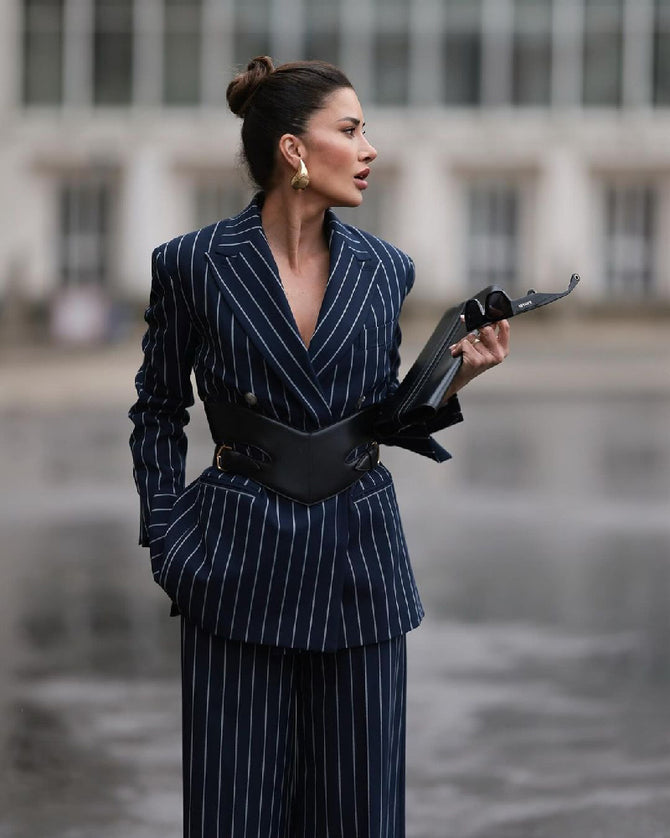


“Formal wedding attire” sounds clear—until you realize it can mean several different things depending on the couple, the venue, the time of day, and the culture. If you’re searching what is formal dress for a wedding, you’re probably trying to answer the real question: how do I look elegant, respectful, and photo-ready without accidentally dressing for the wrong level of formality?
This complete guide breaks down formal wedding guest attire for women (and quick notes for men), how it compares to black tie and semi-formal, what to wear by season and venue, and the easiest outfit “formulas” that always work. You’ll also get a clear list of what to avoid, plus accessories, color, and fabric tips that make your look feel instantly elevated.
If you’re shopping for formal wedding guest dresses, floor length formal wedding guest dresses, or formal wedding outfits for women you can rewear beyond one event, you’ll find practical guidance here—without confusing fashion jargon.
Quick Jump Links
- What “Formal” Means for a Wedding Dress Code
- How to Decode a Formal Wedding Invitation
- Formal vs Black Tie vs Semi-Formal
- Formal Wedding Guest Attire for Women
- Dress Length Guide: Maxi, Midi, and When It Matters
- Best Fabrics for Formal Wedding Guest Dresses
- Best Colors for Formal Wedding Guest Dresses (and What to Avoid)
- Formal Wedding Attire by Venue
- Formal Wedding Attire by Season
- Shoes, Bags, Jewelry, and Layers
- Formal Wedding Attire Do’s & Don’ts
- 9 Easy Outfit Formulas (No Overthinking)
- Quick Notes: Formal Wedding Attire for Men
- Shop Formal Wedding Guest Dresses at Uoozee
- FAQ
What “Formal” Means for a Wedding Dress Code
In wedding dress code language, formal generally sits between cocktail/semi-formal and black tie. It’s elevated, elegant, and intentional—but not necessarily as strict or as evening-gown-focused as black tie. Think: refined silhouettes, quality fabrics, polished accessories, and a “special occasion” finish.
Here’s the simplest way to picture it: formal wedding attire = evening-leaning, sophisticated, and dressy. You should look like you’re attending a significant event—not like you’re going to work, brunch, or the club.
So what should a woman wear to a formal wedding?
In most cases, these are your safest choices:
- A floor-length gown (especially for evening formal weddings)
- An elevated midi dress in a formal fabric (crepe, chiffon, satin-touch, lace, jacquard)

- A dressy jumpsuit with tailored structure and refined details
- A formal set (matching top + skirt/pants) in a luxe fabric
The “formal” feel comes from a combination of length + fabric + styling. A midi can look formal if the fabric and accessories are right; a maxi can look casual if the fabric and styling are too daytime.
How to Decode a Formal Wedding Invitation
Wedding invitations are like dress code puzzles. Sometimes the couple writes “Formal Attire,” and sometimes they use vibe language like “Formal / Black Tie Optional,” “Evening Formal,” “Formal Garden Party,” or “Dress to Impress.” Here’s how to decode the clues so you land on the perfect level of elegance.
1) Time of day: formal at 2 PM vs 7 PM is different
- Daytime formal (late morning to afternoon): midi or maxi dresses can work beautifully; lighter colors are common; sparkle is usually minimal.
- Evening formal (late afternoon to night): lean more “gown energy” with deeper colors, richer fabrics, and more elevated accessories.
2) Venue sets the baseline
If the venue is upscale, “formal” often means closer to black tie optional. If the venue is outdoors or relaxed, formal may be slightly softened—but still dressy.
- Ballroom / luxury hotel: gowns and refined silhouettes feel right.
- Winery / estate: formal with romantic fabrics, elegant prints, and elevated accessories.
- Museum / rooftop / city landmark: modern formal—sleek midis, tailored jumpsuits, or gowns.
- Garden / outdoor formal: formal dresses in breathable fabrics; practical footwear matters.
3) Invitation wording: small phrases, big meaning
- “Formal Attire”: gowns or formal midis; dressy accessories expected.
- “Black Tie Optional”: you may wear a gown (recommended), but a formal midi/jumpsuit is acceptable if styled up.
- “Evening Formal”: lean toward floor length and darker/richer tones.
- “Formal Garden Party”: formal silhouettes with softer prints/colors; consider wedges or block heels.
- “Creative Formal”: still formal, but you can play with color, texture, statement sleeves, or artistic accessories.
4) When you’re unsure, choose “formal but not flashy”
If the dress code is formal and you can’t get more details, aim for an outfit that is clearly elevated, modestly glamorous, and unlikely to steal attention. In practice, that usually means a maxi dress or gown in a refined fabric with simple, intentional styling.
Formal vs Black Tie vs Semi-Formal (Quick, Clear Comparison)
Many guests search formal vs black tie or formal vs semi formal wedding attire because the boundaries can feel blurry. Here’s the easiest breakdown.
Formal wedding attire
- Women: floor-length gown OR elevated midi dress OR formal jumpsuit

- Men: dark suit, dress shirt, tie (often expected), polished shoes
- Overall vibe: elegant, refined, special-occasion
Black tie
- Women: floor-length evening gown is the standard (luxurious fabrics, more glam)
- Men: tuxedo, formal bow tie, polished formal shoes
- Overall vibe: most elevated; “evening event” energy
Semi-formal / cocktail
- Women: cocktail dress or dressy midi, less likely to be floor-length

- Men: suit or dressy separates; tie may be optional
- Overall vibe: dressy but slightly less formal, more flexible
Rule of thumb: If the invitation says “formal,” you typically want to look more elevated than cocktail and slightly less strict than black tie—unless the venue and time of day push it closer to black tie optional.
Formal Wedding Guest Attire for Women
When you want to nail formal wedding guest attire for women, focus on these three pillars:
- Silhouette: clean lines, flattering structure, and intentional length
- Fabric: refined materials that look “occasion,” not “everyday”
- Finish: accessories, shoes, hair, and makeup that elevate the whole look
1) The classic formal option: a floor-length gown
If the wedding is evening, in a ballroom, or labeled “formal” with a more upscale venue, a gown is the safest answer. A formal gown doesn’t have to be heavy or overly glittery—it can be minimal, modern, and elegant. Look for details like:
- Defined waistlines or structured bodices
- Soft draping or pleating
- Clean necklines (sweetheart, square, one-shoulder, halter, V-neck)
- Subtle texture (jacquard, lace overlay, matte satin-touch)
2) The elevated midi: formal without going full gown
A midi dress can absolutely be formal if it’s made from the right fabric and styled appropriately. This is a great solution when:
- The wedding is daytime formal
- The venue is outdoors and you need practicality
- You prefer a more modern, less “gown” look
Choose midi styles with elegant elements: structured sleeves, refined necklines, higher-quality fabric, or a more tailored silhouette. Then elevate with heels, a clutch, and polished jewelry.
3) The formal jumpsuit: modern, chic, and comfortable
If you love the idea of a dress but want a different silhouette, a formal jumpsuit can be perfect—especially for city weddings, rooftop venues, or creative formal dress codes. The key is choosing a jumpsuit that doesn’t read like workwear.
- Pick a drapey fabric (crepe, satin-touch, structured chiffon overlay)
- Look for a defined waist (tailoring, belt, wrap-front shaping)
- Choose a dressy neckline (one-shoulder, V, square, halter)
- Finish with formal accessories (heels + clutch + statement earring)
4) Formal separates: when done right, extremely elegant
A matching set can look ultra-intentional and formal when the fabric is elevated. Examples:
- Long skirt + structured top in a cohesive color
- Wide-leg formal pants + a dressy blouse with drape
- Coordinated set with refined details (texture, pleats, subtle sheen)
If you go the separates route, keep the palette cohesive and avoid anything too casual (jersey lounge sets, casual knits, denim).
Dress Length Guide: Maxi, Midi, and When It Matters
One of the most searched questions is: can you wear a midi dress to a formal wedding? Yes—often. But length does influence formality, especially in photos and in certain venues.
Floor-length formal wedding guest dresses
Best for: evening weddings, black tie optional, upscale hotels, ballrooms, winter weddings, and very formal venues.
Why it works: floor length reads immediately “formal,” even with minimal styling. If you want the safest option with the least guesswork, choose a gown.
Maxi dresses for a formal wedding
A maxi can be formal, but it depends on fabric and styling. A maxi in a casual print or cotton can read more “vacation” than “formal.” A maxi in crepe or chiffon with a structured bodice can look wedding-perfect.
Best for: formal garden weddings, winery weddings, outdoor formal, destination formal.
Midi dresses for a formal wedding
A midi is most formal when it features at least one of these: refined fabric, tailored structure, elegant neckline, or elevated accessories. When it looks intentional and polished, it can absolutely meet formal wedding attire expectations.

Best for: daytime formal, outdoor formal, creative formal, city formal when styled up.
Mini dresses at a formal wedding
Mini dresses are riskier for formal. Some modern weddings accept them—especially if they’re very structured and luxe—but in many cases, a mini can read more cocktail than formal.
If you wear one: choose a structured design, richer fabric, and very polished accessories—and consider the crowd and venue.
Best Fabrics for Formal Wedding Guest Dresses
Fabric is the secret “formality signal.” Two dresses with the same shape can look totally different depending on material. If you want an outfit that instantly reads formal wedding guest, prioritize these fabrics.
Crepe
Crepe is a top choice for formal because it drapes beautifully, photographs well, and looks polished without needing excessive embellishment. It’s also a great option if you want a minimal, modern look.
Chiffon (especially layered or pleated)
Chiffon feels romantic and formal when the silhouette is refined. It’s especially popular for spring and summer weddings because it’s lightweight and moves beautifully in photos.
Satin-touch / matte satin
Satin can lean very formal quickly. For “formal” (not strict black tie), a matte satin or satin-touch finish tends to look elegant without feeling overly red-carpet.
Lace (as an overlay or detail)
Lace details can elevate a dress instantly. The key is balance—keep the silhouette clean so the overall look stays modern and wedding-guest appropriate.
Jacquard and structured woven fabrics
These fabrics create a “designer” feel because they hold shape. They’re perfect for statement sleeves, structured midi dresses, and formal sets.
Velvet (mostly for fall/winter formal)
Velvet is naturally formal and works beautifully for colder seasons. If the wedding is in late fall or winter, velvet can look luxurious and appropriate—especially in jewel tones.
Fabrics to be cautious with
- Thin cotton/linen: can read too casual unless extremely structured and styled up (often better for “dressy casual” than formal).
- Very clingy jersey: can look too casual or too bodycon depending on fit.
- Denim and knit lounge fabrics: generally not formal wedding appropriate.
- Overly shiny metallic fabrics: can look flashy in photos if not balanced with simple styling.
Best Colors for Formal Wedding Guest Dresses (and What to Avoid)
Color matters because formal weddings often have a more elevated visual tone—especially in evening lighting and professional photography. If you’re choosing a color for a formal wedding guest dress, use the venue and season as your guide.
Best color families for formal weddings
- Jewel tones: emerald, sapphire, navy, burgundy, deep plum (excellent for evening formal)
- Soft classics: blush, dusty rose, lavender, sage (great for spring/summer formal)
- Elegant neutrals: taupe, warm gray, chocolate, champagne-like tones (avoid bridal-adjacent shades)
- Modern darks: charcoal, deep green, deep brown, midnight blue
Prints: yes, but keep them refined
Formal weddings can absolutely include prints—especially at garden, winery, or destination venues. Choose prints that feel elevated:
- Muted florals
- Elegant abstract prints
- Subtle tonal patterns
- Small-scale prints that don’t dominate photos
What to avoid as a formal wedding guest
- White, ivory, cream: safest move is still to avoid anything bridal-adjacent.
- Very pale pastels that photograph white: flash photography can wash colors out.
- Neon colors: often feel less formal and overpower photos.
- Very loud graphics or big logos: not formal and not photo-friendly.
- All-black can be fine, but style matters: black is elegant, but ensure the fabric and accessories read formal, not “everyday black dress.”
Easy win: If you want a color that almost always works for formal, choose a jewel tone or a refined darker shade—and keep accessories polished.
Formal Wedding Attire by Venue
Even with the same dress code, venue changes how “formal” should look. Use these venue-specific suggestions to pick the right silhouette and styling.
Ballroom or luxury hotel formal wedding
This is where formal leans closest to black tie optional. A gown is ideal, and a structured midi should be very elevated if you choose it.
- Best picks: floor-length gown, elegant maxi in crepe/chiffon, refined satin-touch midi
- Shoes: heels (pumps or heeled sandals) and a clutch
- Accessories: polished jewelry; hair slightly more styled than usual
Winery or estate formal wedding
Winery/estate formal is often romantic: sunset lighting, outdoor elements, and a slightly softer vibe than a ballroom.
- Best picks: chiffon maxi, gown with light movement, elegant floral formal maxi
- Shoes: block heels or wedges if you’ll walk on gravel or grass
- Layer: a wrap, shawl, or tailored blazer for evening temperature drops
Museum, rooftop, or city formal wedding
City formal often leans modern and sleek. Minimal, tailored pieces look especially sharp in urban venues.
- Best picks: sleek gown, structured midi in crepe/jacquard, formal jumpsuit
- Shoes: heeled sandals or pumps
- Bag: small structured bag or clutch
Formal garden wedding
Outdoor formal weddings can be stunning—and they require practicality. The goal is elegance with comfort.
- Best picks: formal maxi, chiffon midi with formal accessories, gown in lightweight fabric
- Shoes: wedges, block heels, or elegant flats (avoid stilettos on grass)
- Tip: bring a layer; outdoor temperatures change quickly
Destination formal wedding (beachside resort, villa, etc.)
Destination formal usually means lighter fabrics, breathable silhouettes, and polished styling that still feels vacation-appropriate.
- Best picks: flowy formal maxi, chiffon gown, elegant printed maxi in refined fabric
- Shoes: heeled sandals, wedges, or dressy flats
- Accessories: keep jewelry intentional but not heavy; prioritize comfort
Formal Wedding Attire by Season
Season impacts comfort, fabric choice, and color palette. Here’s how to dress formal—and feel good—throughout the year.
Spring formal wedding attire
Spring weddings often involve unpredictable weather. Choose a refined dress with a smart layering plan.
- Try: chiffon maxi, crepe midi, floral formal maxi, gown in soft colors
- Colors: sage, blush, lavender, dusty blue, soft neutrals
- Layer: tailored blazer, elegant wrap, or light trench for travel photos
Summer formal wedding attire
Heat changes everything. For summer formal weddings, breathable fabrics and lighter construction help you stay comfortable while still looking elevated.
- Try: chiffon or lightweight crepe gowns, formal maxis with movement, refined midis with elevated accessories
- Colors: jewel tones can still work, but lighter tones and elegant prints are common
- Shoes: heeled sandals or wedges (especially outdoors)
Fall formal wedding attire
Fall formal is perfect for richer colors and slightly heavier fabrics.
- Try: long-sleeve maxi, crepe gown, velvet (for later fall), structured midi with dressy accessories
- Colors: burgundy, rust, olive, navy, deep plum
- Layer: a coat that complements the outfit (avoid casual puffers in photos if possible)
Winter formal wedding attire
Winter formal can be the most glamorous. Lean into luxe fabrics and elegant layering.
- Try: velvet gown, long-sleeve crepe gown, elegant satin-touch dresses, formal jumpsuit with a long coat
- Colors: emerald, navy, black, deep red, charcoal
- Accessories: consider dressy closed-toe heels or sleek boots (venue-dependent)
Shoes, Bags, Jewelry, and Layers
At a formal wedding, accessories don’t just “finish” the look—they help signal formality. The right shoes and bag can elevate a simpler dress into a truly formal outfit.
Shoes for a formal wedding
For most formal weddings, aim for a shoe that looks refined and event-appropriate:
- Pumps: classic, elegant, and reliable for indoor venues
- Heeled sandals: great for warmer months and modern styling

- Block heels: a practical upgrade for outdoor terrain
- Dressy flats: acceptable if they’re sleek (pointed toe, refined finish) and the rest of your outfit is elevated
Avoid: sporty sandals, casual slides, sneakers (unless the couple explicitly says so), or overly worn shoes that look casual in photos.
Bags: keep it small and polished
Formal weddings typically call for a smaller bag:
- Clutch: the most classic choice

- Mini shoulder bag: modern and convenient
- Small structured crossbody: if it looks sleek and not casual
Avoid: large totes, casual canvas bags, backpacks—these instantly downshift your look.
Jewelry: choose one “hero” detail
For formal wedding guest outfits, a great approach is “one strong detail + balance.”
- If your dress is simple: choose statement earrings or a bold cuff
- If your dress has texture (lace/jacquard): keep jewelry clean and minimal
- If your neckline is high: go bigger on earrings, smaller on necklaces
- If your neckline is open: a delicate pendant can look elegant and timeless
Layers and outerwear: don’t let the top layer ruin the photos
Outerwear shows up in candid shots—especially when guests arrive or step outside. Choose layers that match the dress code:
- Elegant wrap or shawl: perfect for formal outdoor evenings
- Tailored blazer: great for city weddings and modern formal looks
- Long coat: winter formal essential; it makes everything look more expensive
- Faux-fur stole: classic for very formal winter weddings (optional, but undeniably glam)
Formal Wedding Attire Do’s & Don’ts
Do
- Choose an elevated fabric: crepe, chiffon, satin-touch, lace, jacquard, velvet (seasonal).
- Lean longer when in doubt: floor-length is the safest for evening formal.
- Keep grooming polished: hair, makeup, and nails don’t need to be dramatic—just intentional.
- Respect cultural context: if it’s a religious venue or traditional family wedding, keep coverage and styling more modest.
- Plan for comfort: formal weddings can be long; choose a fit you can sit and dance in.
Don’t
- Wear white/ivory/cream (or anything bridal-adjacent in photos).
- Go too casual: cotton sundresses, casual knits, denim, or everyday flats can read underdressed.
- Overdo sparkle if the vibe isn’t “evening glam” (you want elegant, not distracting).
- Choose overly revealing cuts if you’ll feel self-conscious or the setting is traditional.
- Ignore the venue terrain: grass + stilettos is a classic mistake.
9 Easy Outfit Formulas (No Overthinking)
If you’re stuck in the “too formal vs not formal enough” spiral, use these formulas. They cover most scenarios where guests search what is formal dress for a wedding.
Formula 1: Evening formal (safest)
- Floor-length gown in crepe/satin-touch/chiffon
- Heeled sandals or pumps
- Clutch
- Statement earrings
- Wrap or shawl
Formula 2: Daytime formal (outdoor-friendly)
- Elevated midi in refined fabric (crepe/jacquard/chiffon overlay)
- Block heels or elegant flats
- Small structured bag
- Delicate jewelry
Formula 3: Formal garden party
- Formal maxi with movement (chiffon or refined print)
- Wedges or block heels
- Small bag
- Soft glam makeup
- Light wrap for evening
Formula 4: Black tie optional (lean gown)
- Floor-length gown (minimal or lightly embellished)
- Classic heels
- Clutch
- Polished jewelry set (earrings + bracelet)
Formula 5: City rooftop formal (modern)
- Sleek midi in crepe or structured woven fabric
- Heeled sandals
- Mini bag
- Statement earrings
- Tailored blazer
Formula 6: Winery/estate formal (romantic)
- Chiffon or lace-detailed maxi
- Block heels
- Clutch or small shoulder bag
- Soft jewelry
- Wrap for sunset temperature drop
Formula 7: Winter formal (luxe)
- Velvet or long-sleeve crepe gown
- Closed-toe heels (or sleek boots if venue allows)
- Clutch
- Long coat
- Statement earrings
Formula 8: Formal jumpsuit (chic alternative)
- Tailored jumpsuit in crepe/satin-touch
- Heels
- Clutch
- Bold earrings
- Optional belt or defined waist detail
Formula 9: When you need extra coverage (still formal)
- Long-sleeve midi or maxi in refined fabric
- Classic pumps
- Small bag
- Minimal jewelry (clean and elegant)
Quick Notes: Formal Wedding Attire for Men
While this guide focuses on women’s outfits, many guests also search “formal wedding attire” for men. Here are the basics:
- Wear a suit: darker colors (navy, charcoal, black) are safest for formal.
- Tie is typically expected: especially for evening formal or upscale venues.
- Shirt + shoes should be polished: crisp dress shirt; clean, formal shoes.
- Black tie optional: tuxedo is welcome, but a very sharp dark suit can work.
If the invitation says “black tie,” a tuxedo is the correct standard. If it says “formal,” a suit and tie is typically appropriate.
What Not to Wear to a Formal Wedding (Common Mistakes)
Formal weddings are where guests most often underdress—not because they don’t care, but because “formal” can feel ambiguous. Avoid these common pitfalls:
1) Casual daytime dresses in casual fabrics
Light cotton sundresses, casual linen shifts, and ultra-simple jersey dresses can read too relaxed. If you love a simpler silhouette, upgrade the fabric and accessories.
2) Workwear-looking outfits
Shirt dresses, stiff blazers, and office-leaning silhouettes can look out of place at a formal wedding. Formal is “occasion,” not “corporate.”
3) Overly flashy clubwear
Formal doesn’t mean “party dress.” Very short hemlines, extreme cut-outs, or ultra-tight bodycon looks can clash with wedding photos and family settings. If you love a bold look, choose elegance over shock value.
4) Shoes that downshift the outfit
A formal dress with casual shoes can look mismatched. Even if you prefer comfort, choose sleek flats or low heels that still read formal.
5) Bridal-adjacent colors
Skip white, ivory, cream—and be cautious with very pale tones that may photograph white.
How to Make a Simple Dress Look Formal (Fast)
If you already own a dress that’s “almost” formal, these upgrades can do the last 20% of the work:
- Swap to a clutch or mini structured bag: instantly elevates.
- Upgrade jewelry: one statement piece (earrings or cuff) makes a big difference.
- Choose a sleeker shoe: pumps or refined heeled sandals read more formal.
- Add a formal layer: an elegant wrap, tailored blazer, or long coat (seasonal).
- Polish grooming: smooth hair styling and a clean makeup look read “event-ready.”
Shop Formal Wedding Guest Dresses at Uoozee
When a wedding dress code says formal, your outfit should feel elevated, elegant, and intentional—without being confusing or overcomplicated. The easiest way to get it right is to shop for pieces that already have the right “formal signals”: refined fabric, flattering structure, and special-occasion polish.
If you’re looking for formal wedding guest dresses, formal maxi dresses, or elegant midi dresses for a formal wedding, explore occasion-ready styles at uoozee.com. Focus on:
- Floor-length and maxi silhouettes for evening formal weddings
- Elevated midi dresses in refined fabrics for daytime formal and outdoor venues
- Polished jumpsuits for modern, city, or creative formal dress codes
- Timeless colors and photo-friendly prints you can rewear for future events
Shop Formal Wedding Guest Dresses on Uoozee
Pro tip: use search terms like “formal wedding guest dress,” “gown,” “maxi dress,” “midi dress,” and “formal jumpsuit” to quickly match the vibe of your venue and season.
FAQ – What Is Formal Dress for a Wedding?
What is formal dress for a wedding guest?
Formal wedding attire is an elevated dress code between cocktail and black tie. For women, it typically means a floor-length gown, an elegant maxi, an elevated midi in a formal fabric, or a formal jumpsuit—paired with polished shoes and accessories.
Do I have to wear a long dress to a formal wedding?
Not always. Floor-length dresses are the safest for evening formal weddings, but an elevated midi can be appropriate—especially for daytime formal, outdoor venues, or “formal” with a slightly relaxed vibe. Fabric and styling matter.
Can I wear a midi dress to a formal wedding?
Yes. Choose a midi in a refined fabric (crepe, chiffon, satin-touch, lace, jacquard) with a polished silhouette, then elevate it with heels, a clutch, and intentional jewelry.
What colors are best for formal wedding guest dresses?
Jewel tones (emerald, navy, burgundy), elegant neutrals (taupe, charcoal), and refined soft tones (sage, dusty rose, lavender) work well. Avoid white/ivory/cream and very pale shades that may photograph white.
Is black okay for a formal wedding?
Often yes—especially for evening formal and city venues. To keep black from looking too everyday, choose a formal fabric and elevate with polished accessories.
Can I wear a jumpsuit to a formal wedding?
Yes, if it’s clearly dressy: tailored fit, refined fabric, elegant neckline, and formal accessories. A formal jumpsuit is especially popular for modern city weddings and “creative formal” dress codes.
What shoes should I wear to a formal wedding?
Pumps and heeled sandals are classic. For outdoor venues, block heels or wedges are more practical. Sleek flats can work if the rest of the outfit is formal and polished.
What is the difference between formal and black tie optional?
Black tie optional is typically one step more elevated than formal and often encourages gowns (and tuxedos for men), though a sharp suit is acceptable. “Formal” is elegant and dressy but usually offers more flexibility (elevated midi or jumpsuit can be acceptable).
What should I wear to a formal outdoor wedding?
Choose a formal maxi or elevated midi in breathable, refined fabric, and wear practical formal shoes (block heels, wedges, or elegant flats). Bring a wrap or blazer for changing temperatures.
What not to wear to a formal wedding?
Avoid white/ivory/cream, overly casual fabrics (thin cotton, casual jersey), overly sporty shoes, and anything that looks like daytime casual or workwear. Formal weddings call for elevated fabric, polish, and intentional styling.


