



“Formal dress” sounds straightforward—until you’re staring at an invitation that says Formal (or the slightly confusing “Black Tie Optional”) and suddenly every outfit you own feels either too casual, too sparkly, or too much like office wear.
Here’s the truth: formal dress for women is less about one single dress and more about the overall level of polish—length, fabric, structure, and accessories. A formal outfit should look intentional from head to toe: the silhouette is elevated, the materials feel refined, and the styling says “I understood the assignment.”
This guide explains formal attire for women in plain English—how to decode dress codes (formal vs. black tie vs. white tie), what dresses and alternatives work best, what to avoid, and how to build a complete look that feels confident, comfortable, and event-appropriate. If you’re shopping for formal dresses for women, evening gowns, formal wedding guest dresses, or ladies formal wear you can rewear, you’re exactly where you should be.
Quick Jump Links
- What Is Formal Dress for Ladies?
- Formal vs. Black Tie vs. White Tie (Dress Code Decoder)
- What Counts as a Formal Dress (and What Doesn’t)
- Best Formal Dress Styles for Women (Gowns, Midis, & Modern Options)
- Formal Wear Alternatives: Jumpsuits, Pantsuits, & Sets
- Best Fabrics for Formal Wear
- Best Colors & Prints for Formal Events
- What to Wear to Formal Events (Weddings, Galas, Corporate)
- Fit Tips by Body Type (Petite, Curvy, Plus, Modest)
- Shoes, Bags, Jewelry, Hair & Outerwear
- What Not to Wear (Common Formalwear Mistakes)
- 10 Formal Outfit Formulas (No Overthinking Required)
- Shop Formal Dresses at Uoozee
- FAQ
What Is Formal Dress for Ladies?
Formal dress for ladies means clothing that is appropriate for a special occasion with an elevated dress code—think weddings, galas, award dinners, evening receptions, charity events, formal banquets, and upscale celebrations.
In practical terms, formal attire for women usually includes:
- A floor-length gown (the most classic “formal” answer)
- An elegant midi dress in a refined fabric (especially for “formal” weddings or cocktail-leaning venues)
- A sophisticated jumpsuit or pantsuit styled at the same level as a gown
- Polished accessories (heels or dressy flats, a small bag, intentional jewelry)
Formal doesn’t automatically mean uncomfortable or overly revealing. The goal is elevated, intentional, and respectful—not “try to outshine the room.” If you remember that formal is a polish level, not a personality test, the whole thing gets easier.
The easiest “formal” mental checklist
- Length: midi to floor-length is the safest range (mini is risky unless the event explicitly leans fashion-forward).
- Fabric: choose materials that look dressy in photos (crepe, chiffon, satin-touch finishes, velvet, lace overlays).
- Finish: clean seams, good structure, and accessories that look event-ready.
Formal vs. Black Tie vs. White Tie (Dress Code Decoder)
Dress codes are basically social shorthand—helpful in theory, chaotic in practice. Here’s how to decode the most common “formal” labels when you’re figuring out what is formal dress for ladies.

1) “Formal” (sometimes called “Evening Formal”)
This typically means gown-friendly and elevated. A floor-length dress is ideal, but a refined midi can work—especially for weddings, upscale restaurants, or events that skew modern rather than ultra-traditional.
- Best picks: floor-length gown, elegant maxi, sophisticated midi in a formal fabric
- Shoes: heels, heeled sandals, dressy flats
- Bag: clutch or small structured bag
2) “Black Tie Optional” (aka “Dressy Formal”)
This is formal… with wiggle room. Many guests wear floor-length gowns, and many wear cocktail or midi styles that look upscale. If you’re unsure, aim slightly dressier: it’s easier to “tone down” a formal look than to magically upgrade a casual one.
- Best picks: gown or elevated midi, refined jumpsuit
- Style note: keep accessories polished; avoid casual fabrics
3) “Black Tie”
Black tie is a step above “formal” in terms of tradition. For women, this usually means a floor-length gown (or an exceptionally elevated midi) and accessories that lean evening—think metallic accents, formal fabrics, and a true clutch-level bag.
4) “White Tie”
This is the most formal mainstream dress code. For women, it almost always implies a full-length, very formal evening gown, often with elevated jewelry and a more traditional styling approach. If you receive a true white-tie invite, the host expects old-school formal rules—go classic.
5) “Business Formal” (different universe)
Business formal is about professional authority, not party glam. Think structured suiting, refined dresses, and conservative styling. It’s formal, but not “evening gown” formal.

Quick takeaway: If the invite says Formal or Black Tie Optional, you’re in gown-or-elevated-midi territory. If it says Black Tie, lean strongly toward a gown (or a very elevated alternative).
What Counts as a Formal Dress (and What Doesn’t)
When people ask “what is a formal dress for ladies?” they’re usually trying to avoid two disasters: showing up underdressed… or looking like they’re wearing a prom dress to a company dinner. Let’s cleanly separate the categories.
What counts as a formal dress for women
- Floor-length gowns (column, A-line, wrap, empire, mermaid—choose what flatters you)
- Elegant maxi dresses in formal materials (not beachy cotton)
- Refined midi dresses (structured, sleek, or with dressy overlays like chiffon or lace)
- Dresses with evening details (pleats, drape, tasteful sheen, statement sleeves, elevated necklines)
What usually does NOT count as formal
- Casual cotton sundresses (unless the event is explicitly casual-formal outdoors, which is rare)
- Very short club dresses (too party-forward for most formal settings)
- Daytime jersey bodycon that reads “brunch” rather than “evening event”
- Denim, knit sets that look lounge-y, or anything sporty
- Overly casual shoes (athletic sneakers, flip-flops, chunky hiking sandals)
If you’re on the fence about a dress, ask: Would this look right next to someone in a gown? If the answer is “no,” it’s probably not formal enough.
Best Formal Dress Styles for Women (Gowns, Midis, & Modern Options)
The best formal dresses aren’t the most complicated. They’re the ones that fit well, move well, photograph well, and match the event’s “vibe temperature.” Here are the most reliable silhouettes in formal wear for ladies.
1) The classic floor-length gown (the safest formal answer)
For black tie, galas, and most evening formal events, a floor-length gown is the cleanest choice. It doesn’t have to be heavy or overly embellished—minimal gowns can look incredibly expensive when the fit is right.
- Best for: black tie, formal weddings, award nights, galas
- Style tip: choose one “hero detail” (neckline, sleeve, drape, slit) and keep everything else streamlined
2) The elegant maxi dress (formal without being overly traditional)
A maxi can read formal if the fabric and finish are right. Look for drape, structure, and refined details—not casual prints and beach textures.
- Best for: formal weddings, dinner receptions, evening parties
- Avoid: ultra-casual cotton, boho tassels, and “cover-up” vibes
3) The formal midi dress (modern, sleek, and rewearable)
Yes, a midi can be formal—especially for “Formal” (not strict black tie) events, city venues, and weddings with a modern crowd. The key is: refined fabric + event-level styling.
- Best for: formal weddings, upscale corporate dinners, cocktail-leaning formals
- Style tip: pair with a true evening shoe and a clutch to “lift” the dress code level

4) The cape, shawl, or statement-sleeve dress (instant elegance)
Formalwear loves drama—tasteful drama. Cape details, sculptural sleeves, and elevated necklines add presence without requiring heavy sparkle.
5) The slip dress (only when styled formally)
A slip dress can be formal, but it can also look like lingerie if the fit and fabric are off. Aim for a refined finish (not overly thin), clean tailoring, and polished accessories.
6) The embellished or sequined dress (use strategically)
Sparkle is welcome at many formal events—especially holiday galas, New Year’s weddings, and evening receptions. The trick is balance: if the dress is highly embellished, keep hair, shoes, and jewelry simpler so the look feels intentional, not chaotic.
Formal Wear Alternatives: Jumpsuits, Pantsuits, & Sets
Formal dress codes don’t require a dress. They require formal energy. If you feel best in tailored pieces, these options are absolutely valid as formal attire for women—as long as the fabric and styling are event-appropriate.
1) The formal jumpsuit (sleek, modern, surprisingly easy)
A well-cut jumpsuit can look as elegant as a gown—especially in crepe, satin-touch, or drapey woven fabric.
- Choose: defined waist, clean neckline, wide-leg or tailored leg
- Upgrade with: heels, a clutch, and one statement jewelry piece
- Skip: workwear jumpsuits with stiff cotton or utility pockets
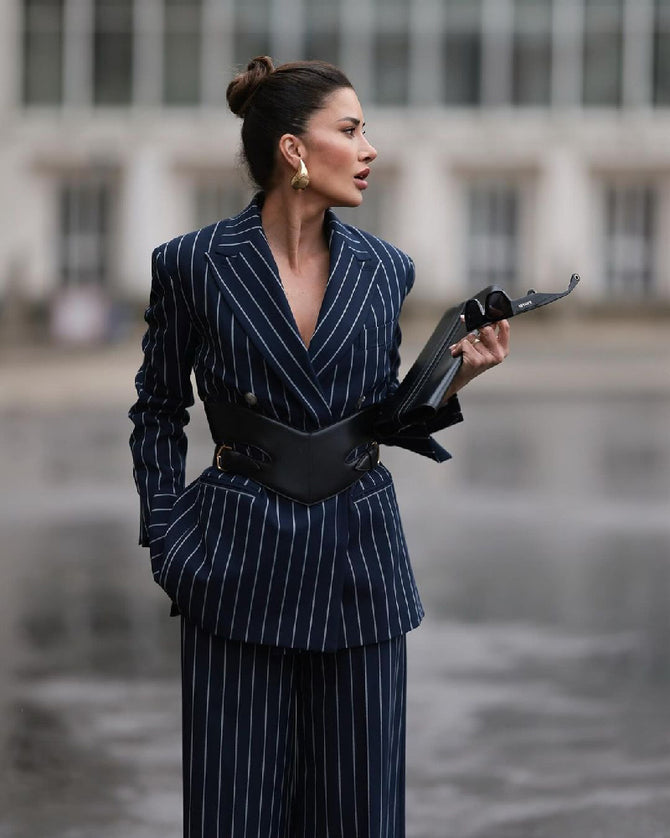
2) The tailored pantsuit (powerful, polished, formal-ready)
A matching suit in a refined fabric can be formal—particularly for corporate galas, formal dinners, or fashion-forward events. The difference-maker is the finish: sharp tailoring, quality fabric, and evening accessories.
- Make it formal: add a silky blouse (or sleek top), elegant heels, and a clutch
- Color note: black, navy, emerald, burgundy, and winter white (not bridal) look especially elevated
3) A matching set (intentional, chic, and rewearable)
A coordinated skirt-and-top set can look extremely formal when the material is refined and the styling is elevated. Think monochrome, clean lines, and a polished shoe.
4) A tuxedo-inspired look
Tuxedo styling can be black-tie appropriate if done well: tailored blazer, refined trousers, minimal jewelry, and a strong shoe. It’s a statement, but a classic one.
Best Fabrics for Formal Wear
Fabric is the quiet communicator of formality. Two dresses can have the same silhouette, but the one in the better fabric will look instantly more formal—especially in photos and evening lighting.
Crepe (sleek, modern, forgiving)
Crepe is a formalwear hero: it drapes well, looks refined, and doesn’t scream “trying too hard.” It’s also great for rewearing across different events.
Chiffon (soft, romantic, movement-friendly)
Chiffon overlays and flowy chiffon gowns are perfect for weddings and formal receptions. They feel light and elegant—especially when paired with clean accessories.
Satin and satin-touch finishes (classic evening shine)
Satin reads formal quickly. Keep an eye on fit and undergarments (satin highlights lines), and balance the shine with simple accessories.
Velvet (luxurious, best for fall/winter)
Velvet is practically a shortcut to formal. It photographs beautifully in low light and is ideal for colder seasons.
Lace overlays (timeless, wedding-friendly)
Lace can look romantic and formal—especially when it’s used as an overlay or detail rather than head-to-toe heavy texture.
Organza or tulle (volume, drama, statement)
These fabrics create formal “presence.” If you’re going voluminous, keep other elements more minimal so the look feels editorial, not costume-like.
Fabrics to be cautious with
- Thin jersey: often reads casual unless the cut is exceptional
- Casual cotton/linen: can look daytime; better for semi-formal or outdoor daytime events
- Very stiff, shiny polyester: may photograph harshly; look for softer drape instead
Best Colors & Prints for Formal Events
Color choice is where formality meets personality. For formal wear for ladies, the safest approach is to choose rich, refined colors or classic neutrals—and let the silhouette do the talking.
Most reliable formal colors
- Black: timeless, sleek, universally formal
- Navy: softer than black, still very elegant
- Jewel tones: emerald, sapphire, burgundy, amethyst
- Deep neutrals: chocolate, charcoal, deep taupe
- Metallic accents: gold, champagne, pewter (great for evening)
Can you wear bright colors to a formal event?
Yes—especially if the dress is sleek and the accessories are controlled. Bright red, cobalt, or fuchsia can be stunning for formal evenings. The key is making sure the fabric and tailoring look refined, not casual.
Prints: yes, but keep them formal
Prints can work for formal events when they look intentional and elevated:
- Best prints: subtle florals, elegant abstracts, tonal patterns, refined polka dots
- Avoid: loud novelty prints, casual boho patterns, oversized logos, anything that reads daytime
Special note for formal weddings
For wedding guest formalwear, it’s still wise to avoid white, ivory, and very pale shades that photograph white. Also be mindful of cultural norms and venue expectations—some weddings skew conservative; others are fashion-forward.
What to Wear to Formal Events (Weddings, Galas, Corporate)
The “right” formal outfit depends on the setting. Formal is a spectrum, and events have different vibes—even with the same dress code line on the invite.
Formal wedding guest attire for women
For a wedding with a formal dress code, aim for elegance without stealing attention. Floor-length is safest; an elevated midi can work if the venue is modern and the styling is evening-level.
- Great choices: chiffon gowns, crepe column dresses, refined wrap maxis, cape details
- Shoes: heeled sandals, pumps, or dressy flats
- Tip: bring a wrap or structured layer for ceremony-to-reception temperature changes
Black tie wedding
For black tie weddings, lean toward a gown. You don’t need heavy sequins—sleek and minimal can be extremely black-tie appropriate when the fit is perfect.
Gala or charity fundraiser
Galas often reward drama: statement sleeves, luxe fabrics, elegant silhouettes, and a little sparkle are common. If there’s a theme, interpret it through color or accessories rather than going costume-level.
Opera, theater, or formal evening performance
Think sophisticated and classic. Midis can work here, especially in city venues, but elevate them with evening accessories and polished grooming.
Corporate formal dinner or awards event
This is where “elegant but not overly revealing” usually wins. A sleek midi, a refined maxi, or a structured pantsuit can be perfect—especially with understated jewelry and a clean shoe.
Cruise “formal night”
Cruise formal nights vary widely. A safe bet is a maxi or gown that feels comfortable to move in, plus shoes you can actually walk in. If you’re packing light, a versatile midi in a formal fabric can work across multiple evenings with different accessories.
Outdoor formal events
Outdoor + formal is real, and it’s tricky. Choose breathable fabrics, bring a layer, and pick shoes that won’t sink into grass.
- Best shoes: wedges, block heels, dressy flats
- Layering: wrap, shawl, cropped jacket, or a long tailored coat (seasonal)
Fit Tips by Body Type (Petite, Curvy, Plus, Modest)
Formalwear looks expensive when it fits well. The most flattering formal dress is not “one perfect style”—it’s the one that supports your proportions, feels secure, and lets you move like a human being.
Petite (shorter height)
- Go for: defined waist, vertical lines, sleek columns, or a higher waistline (empire) to elongate
- Hem tip: floor-length should skim the top of your shoe—not puddle
- Styling: pointed-toe shoes and minimal bulk help lengthen the silhouette
Curvy / hourglass
- Go for: wrap styles, belted waists, structured bodices, V-necklines
- Balance tip: choose fabrics with drape (crepe, chiffon overlays) to avoid stiffness
Pear shape (hips wider than shoulders)
- Go for: A-line skirts, fit-and-flare gowns, statement necklines or sleeves to balance
- Color trick: lighter or detailed top + deeper skirt can create beautiful proportion
Apple shape (fuller midsection)
- Go for: empire waist, drape, wrap-front, vertical seams, jackets or capes for structure
- Comfort tip: prioritize supportive, smooth underlayers so you feel secure
Plus size formal wear
Look for structure where you want support (bodice, waist seams), drape where you want movement, and designs that don’t require constant adjusting. A confident formal look is a stable one.
Modest formal attire for women
Formal and modest pair beautifully. High necklines, long sleeves, cape details, and floor-length silhouettes can look incredibly elegant—especially in luxe fabrics like crepe or velvet.
Comfort = confidence
If you can’t sit, breathe, or dance, the dress is wearing you. Formal events are long. Choose a fit that stays put.
Shoes, Bags, Jewelry, Hair & Outerwear
Most “Is this formal enough?” problems are actually styling problems. The dress can be fine, but the shoes and bag quietly downgrade it. Here’s how to keep your look in the formal zone.
Shoes for formal events
- Classic pumps: the most universally formal option
- Heeled sandals: great for warm weather; choose refined straps
- Block heels: stable and elegant, especially for outdoor venues
- Dressy flats: pointed-toe or sleek silhouettes can work when heels aren’t practical
Avoid: athletic sneakers, flip-flops, very casual slides, heavy “day boots” (unless the venue demands it and the outfit is styled intentionally).
Bags: small and structured wins
- Best: clutch, mini shoulder bag, small structured crossbody
- Avoid: large totes, backpacks, casual canvas bags
Jewelry: one hero piece is enough
- If your dress is minimal: add statement earrings or a bold bracelet
- If your dress is embellished: keep jewelry simple and polished
- Metal matching: it’s okay to mix, but keep it intentional (one dominant tone helps)
Hair & makeup (the “formal multiplier”)
Formal styling doesn’t require heavy makeup—it requires finished grooming. Smooth hair, intentional waves, a neat updo, or a sleek ponytail can instantly elevate a simple dress. Makeup can be natural, but tidy: even skin, defined brows, a balanced lip.
Outerwear & layers (don’t let a jacket ruin the outfit)
- Elegant layers: shawl, wrap, cape, cropped blazer
- Cold weather: long tailored coat, wool coat, structured trench
- Avoid: bulky casual hoodies, sporty puffers (unless necessary, then keep everything else extra polished)
Undergarments: the invisible difference
Formal fabrics can be unforgiving. Seamless underwear, supportive bras, and smoothing layers help your outfit look clean and feel comfortable—especially in satin or fitted crepe.
What Not to Wear (Common Formalwear Mistakes)
Formal mistakes are usually predictable. Here are the big ones—plus the simple fix.
1) “It’s fancy enough… because it’s tight”
Tight doesn’t equal formal. Formal is about refinement, fabric, and finish. If a dress looks like a night-out bodycon rather than an occasion dress, upgrade the silhouette or the fabric.
2) Casual fabric + formal accessories (or vice versa)
A cotton sundress with a clutch still looks like a sundress. And a formal gown with flip-flops still looks like flip-flops. Keep the entire outfit on the same level.
3) The wrong shoes for the venue
Grass + stilettos is a classic tragedy. Sand + thin heels is worse. Choose shoes that match both the dress code and the ground you’ll stand on.
4) Over-accessorizing
Formal doesn’t mean “add everything shiny.” Pick one hero element—dress, earrings, or clutch—and let the rest support it.
5) Ignoring cultural or wedding etiquette
If it’s a wedding, avoid bridal-adjacent colors and pay attention to the venue and traditions. When in doubt, choose elegant and understated rather than attention-grabbing.
10 Formal Outfit Formulas (No Overthinking Required)
These are “plug-and-play” looks that answer the real question behind what is formal dress for ladies: “What outfit will definitely fit the room?”
Formula 1: Classic black-tie safe
- Floor-length black or navy gown
- Heeled sandals or pumps
- Clutch
- Statement earrings
- Wrap or shawl
Formula 2: Formal wedding (elegant, not flashy)
- Chiffon or crepe floor-length dress in a jewel tone
- Neutral heels
- Small structured bag
- Delicate jewelry
- Soft waves or a neat updo
Formula 3: “Black tie optional” modern
- Refined midi dress (structured or sleek)
- Heeled sandals
- Clutch
- One bold accessory (earrings or cuff)
- Tailored blazer (seasonal)
Formula 4: Gala-ready drama (tasteful)
- Cape or statement-sleeve gown
- Minimal heels
- Clutch
- Simple jewelry
- Sleek hair
Formula 5: Velvet winter formal
- Velvet floor-length or midi dress
- Closed-toe heels
- Small metallic bag
- Classic earrings
- Long coat
Formula 6: Formal jumpsuit (easy and powerful)
- Drapey wide-leg jumpsuit in a dark neutral or jewel tone
- Heels
- Clutch
- Statement earrings
- Clean hair styling
Formula 7: Tailored pantsuit for a corporate formal
- Matching suit in black/navy/emerald
- Sleek blouse or refined top
- Pumps
- Small bag
- Minimal jewelry
Formula 8: Outdoor formal (terrain-proof)
- Flowy formal maxi with defined waist
- Block heels or wedges
- Small crossbody (structured)
- Light wrap
- Weather-appropriate outerwear
Formula 9: Opera / theater formal
- Elegant midi or sleek gown
- Pumps
- Clutch
- Classic jewelry
- Tailored coat
Formula 10: Minimalist formal (quiet luxury energy)
- Simple crepe column gown
- Minimal heels
- Structured clutch
- One refined jewelry piece
- Polished makeup and hair
Shop Formal Dresses at Uoozee
Formal events are easier when your outfit does the work: refined fabric, flattering fit, and details that feel elevated without being overwhelming.
If you’re shopping for formal dresses for women, ladies formal wear, and event-ready styles you can wear again, explore Uoozee’s curated picks here:
For broader occasion options (including versatile midis and maxis), you can also browse the full dresses selection at uoozee.com.
FAQ – What Is Formal Dress for Ladies?
What is formal dress for ladies?
Formal dress for ladies refers to elevated occasionwear suitable for events like formal weddings, galas, award dinners, and evening receptions. It typically includes a floor-length gown or an elegant midi/maxi in a refined fabric, styled with dressy shoes, a small bag, and polished accessories.
What is formal attire for women?
Formal attire for women includes gowns, elegant dresses (often midi to floor-length), or elevated alternatives like a formal jumpsuit or tailored pantsuit—paired with evening-appropriate shoes and accessories.
Is a midi dress considered formal?
Yes—if the fabric, structure, and styling are formal. A refined midi in crepe, satin-touch, chiffon overlay, velvet, or lace can be formal, especially for “Formal” or “Black Tie Optional” events at modern venues.
What is the difference between formal and black tie for women?
Both are elevated, but black tie is usually more traditional and more gown-forward. “Formal” can allow more flexibility (including elegant midis), while black tie typically expects a floor-length gown or a very elevated alternative.
Can I wear a jumpsuit to a formal event?
Yes. A drapey, well-tailored jumpsuit in a refined fabric (like crepe or satin-touch) can be formal when styled with heels, a clutch, and polished jewelry.
Can women wear pants to a black tie event?
Often yes, especially at modern events. Choose a tailored, formal pantsuit or tuxedo-inspired look with evening accessories. When in doubt, lean more elevated in fabric and styling.
What shoes should I wear with a formal dress?
Pumps, heeled sandals, block heels, or sleek dressy flats are the best options. Choose a shoe that matches the venue too (block heels or wedges for outdoor settings).
Can I wear black to a formal wedding?
In many cases, yes—black is a classic formal color. For weddings, keep the styling elegant rather than overly severe, and consider the couple’s vibe and venue.
What colors should I avoid for formal wedding guest dresses?
Avoid white, ivory, cream, and very pale shades that photograph white. Also be cautious with extremely loud novelty prints that could dominate photos.
What is a formal dress length for women?
Floor-length is the most traditional formal length. Elegant midis can also be formal depending on the event and styling—especially for “Formal” or “Black Tie Optional” dress codes.
How do I make my outfit look more formal?
Upgrade to dressier shoes, switch to a clutch or small structured bag, add one polished jewelry detail, and ensure your grooming feels finished. Fabric choice and fit also dramatically increase formality.
What should I bring to a formal event if it’s cold?
Choose a wrap, shawl, cape, or a long tailored coat. Outerwear shows up in photos—so pick a layer that matches the formality of your outfit.
