

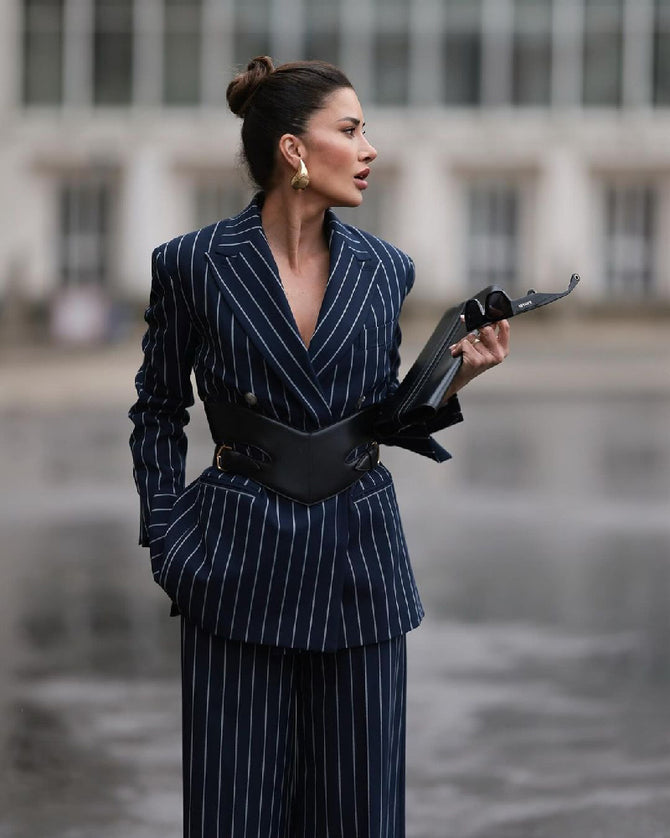


You love the clean line of a sleeveless dress, but you do not always want bare arms. Maybe the room is cold, the dress feels too revealing for work, the wedding ceremony is more conservative, or you simply feel more confident with a little coverage. Covering your arms does not mean hiding your dress. The right layer can make a sleeveless dress look more polished, more intentional, and easier to wear in real life.
what to wear with sleeveless dress to cover arms? This guide gives you practical, outfit-friendly answers. You will learn when to choose a cardigan, blazer, shrug, bolero, button-up shirt, kimono, shawl, scarf, lightweight jacket, or a long-sleeve alternative. You will also learn how to match the layer to your dress shape, occasion, season, fabric, and personal comfort level.
This is written for women shopping for everyday dresses, work dresses, wedding guest outfits, vacation looks, and evening styles. The goal is simple: you should feel covered where you want coverage, but still look styled—not bundled, not bulky, and not like the layer was added at the last minute.
Quick Jump Links
- Quick Answer: Best Things to Wear Over a Sleeveless Dress
- Why You May Want Arm Coverage
- The 3-Part Rule for Choosing the Right Layer
- Cardigan Over a Sleeveless Dress
- Blazer With a Sleeveless Dress
- Shrug, Bolero, and Cropped Layers
- Button-Up Shirt or Blouse as a Layer
- Shawl, Wrap, or Scarf
- Kimono, Duster, and Lightweight Jacket
- What to Wear by Occasion
- What to Wear by Season
- How to Cover Arms by Dress Type
- Shop the Look at Uoozee
- FAQ
Quick Answer: Best Things to Wear Over a Sleeveless Dress
The best things to wear with a sleeveless dress to cover your arms are a cardigan, blazer, shrug, bolero, lightweight button-up shirt, kimono, duster jacket, shawl, wrap, scarf, denim jacket, trench coat, or cropped jacket. The best choice depends on how much coverage you want and where you are wearing the dress.
For easy everyday styling, a cardigan gives soft coverage and comfort. For work, dinner, or a city outfit, a blazer adds structure. For weddings and dressy events, a shawl, wrap, or bolero gives arm coverage without covering the dress too much. For summer, a lightweight shirt or airy kimono keeps the outfit breathable. For fall and winter, a trench, coat, or knit layer makes a sleeveless dress wearable beyond warm weather.
Simple styling rule: if your sleeveless dress is loose or flowy, add a more structured layer. If your dress is fitted or body-skimming, choose a softer layer with movement. This balance helps your outfit look intentional.
Why You May Want to Cover Your Arms
Arm coverage is not only about modesty. It is also about comfort, temperature, proportion, and styling control. A sleeveless dress can be perfect in one setting and feel slightly unfinished in another. The right layer solves that problem quickly.
You want more confidence
If you feel self-conscious about your upper arms, a light layer can help you relax. You do not need to hide your body; you simply need a styling choice that lets you stop thinking about your arms and enjoy the moment.
You need a more polished look
A sleeveless dress can feel casual on its own. Add a blazer, cropped jacket, or tailored cardigan, and the same dress can suddenly work for the office, a dinner reservation, a gallery date, or a semi-dressy event.
You are dressing for a conservative setting
For church weddings, family gatherings, office events, graduations, ceremonies, and formal dinners, covering the shoulders and upper arms can make the outfit feel more appropriate without making it boring.
You need warmth
Air-conditioned restaurants, evening receptions, outdoor patios, and travel days can make a sleeveless dress uncomfortable. A layer lets you keep the dress you love while adapting to changing temperatures.
You want better outfit proportion
A layer can define your waist, soften a neckline, balance a fuller skirt, or make a simple dress look more complete. Sometimes the coverage is practical; sometimes it is the styling detail that makes the whole outfit work.
The 3-Part Rule for Choosing the Right Layer
Before you choose what to wear over a sleeveless dress, look at three things: the dress shape, the occasion, and the fabric weight. This prevents the most common problem: adding a layer that technically covers your arms but visually fights the dress.
1) Match the layer to the dress shape
- A-line dress: works well with cropped cardigans, boleros, short blazers, and fitted jackets.
- Loose shift dress: looks best with structured blazers, denim jackets, or longline layers that add shape.
- Bodycon dress: pairs well with oversized blazers, dusters, kimonos, and soft wraps.
- Maxi dress: needs proportion control; cropped jackets and airy long layers both work depending on the vibe.
- Shirt dress: pairs naturally with cardigans, trench coats, blazers, or a tied button-up layer.
2) Match the layer to the occasion
For work, choose polished layers: blazers, structured cardigans, or lightweight trench coats. For weddings, choose a wrap, bolero, cropped jacket, or elegant shawl. For vacation, choose a kimono, linen-look shirt, or sun-protection scarf. For casual days, choose a soft cardigan, denim jacket, or relaxed button-up shirt.
3) Match the fabric weight
A delicate chiffon dress looks best with a light wrap, thin cardigan, or soft bolero. A cotton sleeveless dress can handle a button-up shirt, denim jacket, or casual cardigan. A structured dress needs a more tailored layer. A knit dress can take a cardigan, coat, or blazer as long as the textures do not become too bulky.
Cardigan Over a Sleeveless Dress
A cardigan is the easiest answer when you want comfortable arm coverage. It feels approachable, soft, and wearable. You can use it for work, casual weekends, travel, dinner, and spring-to-fall layering.
When a cardigan works best
Choose a cardigan when your sleeveless dress feels too bare, too simple, or too cold for the setting. A fine-knit cardigan is great for office air-conditioning. A cropped cardigan works well with fit-and-flare and A-line dresses. A long cardigan can create a relaxed vertical line over a straight or fitted dress.
How to style it without looking bulky
- For a defined waist: choose a cropped cardigan that ends near your natural waist.
- For a sleek line: wear a long, open cardigan over a simple midi dress.
- For petite proportions: avoid cardigans that end at the widest part of your hips.
- For office outfits: choose a smooth knit instead of a chunky, cozy knit.
- For dressy outfits: pick a cardigan with clean buttons, ribbed texture, or subtle trim.
Color matters too. A tonal cardigan creates a soft, elegant look. A black cardigan over a printed dress feels grounded. A cream cardigan can brighten dark dresses, but avoid cream or white layers at weddings if the outfit could read bridal.
Blazer With a Sleeveless Dress
A blazer is the best layer when you want your sleeveless dress to feel sharper. It gives coverage, shape, and confidence. If your dress feels too casual or too delicate on its own, a blazer can make it look more expensive and more put together.
Best blazer styles for sleeveless dresses
- Cropped blazer: best for A-line, fit-and-flare, and waist-defined dresses.
- Single-breasted blazer: the most versatile option for work and dinner.
- Oversized blazer: modern and stylish over slip dresses, bodycon dresses, and straight silhouettes.
- Linen-look blazer: ideal for summer events and vacation dinners.
- Black blazer: easy for evening, city outfits, and minimalist dresses.
How to keep the outfit feminine
A blazer can look too corporate if the rest of the outfit feels stiff. Balance it with earrings, a soft bag, heeled sandals, or a dress with movement. Let the blazer frame the dress rather than completely covering it. Roll the sleeves slightly if you want a relaxed, styled effect.
Best occasions for a blazer layer
Wear a blazer over a sleeveless dress for work, business casual dinners, date nights, city weddings, gallery events, graduation ceremonies, and travel days when you want one outfit that works from day to evening.
Shrug, Bolero, and Cropped Layers
A shrug or bolero is made for arm coverage. Unlike a full cardigan or jacket, it covers the shoulders and arms while keeping most of the dress visible. This is especially useful when your dress has a pretty waistline, neckline, pleated skirt, or statement shape that you do not want to hide.
When to choose a shrug
Choose a shrug when you want light coverage without changing the dress silhouette. It works well over sleeveless wedding guest dresses, cocktail dresses, sundresses, and midi dresses. A knit shrug feels casual and soft. A chiffon or satin-touch bolero feels more dressy.
When to choose a bolero
A bolero is usually more structured and dressy than a shrug. It is a smart choice for weddings, ceremonies, dinners, and evening events. A cropped bolero can cover your upper arms while leaving the waistline visible, which helps maintain shape.
What to avoid
A shrug that is too tight can pull across the back and make your dress wrinkle. A bolero that is too shiny can look dated with a casual dress. Try to match the level of formality: casual dress with soft knit, dressy dress with refined fabric.
Button-Up Shirt or Blouse as a Layer
A button-up shirt is one of the most underrated ways to cover your arms in a sleeveless dress. It gives coverage without feeling heavy, and it can make a dress feel relaxed, modern, and wearable.
Three ways to wear it
- Open as a light jacket: wear a crisp shirt unbuttoned over a fitted or straight sleeveless dress.
- Tied at the waist: tie the shirt over a maxi or midi dress to create waist definition.
- Buttoned over the dress: style it like a top over a slim dress or slip dress for a skirt-set effect.
Best fabrics
Cotton, cotton poplin, linen blends, and lightweight woven fabrics work best. Avoid shirts that are too stiff if your dress is soft and flowy. Avoid shirts that are too sheer if you need real coverage.
Best occasions
This look is perfect for casual travel, summer dinners, beach vacations, brunch, shopping days, and everyday styling. It is also a good solution when you want arm coverage but do not want a cardigan.
Shawl, Wrap, or Scarf
A shawl or wrap is the most flexible solution for dressy arm coverage. It is easy to carry, easy to remove, and ideal for events where you only need coverage part of the time.
When a wrap is the best choice
Choose a wrap for weddings, evening events, formal dinners, religious ceremonies, outdoor receptions, and travel. A wrap gives coverage across your shoulders and upper arms without permanently changing the outfit.
How to keep it secure
- Drape it evenly: keep both sides balanced so it looks intentional.
- Use a brooch or clip: useful for weddings and windy outdoor events.
- Choose a large enough size: a tiny scarf may slip and feel fussy.
- Match the texture: chiffon for light dresses, pashmina-style wraps for cooler weather, silk-look scarves for polished outfits.
Color tips
A wrap does not need to match the dress exactly. In fact, a slightly different shade often looks more modern. Try navy with blue, camel with black, blush with burgundy, charcoal with jewel tones, or soft beige with prints. If your dress is patterned, choose a solid wrap. If your dress is plain, you can use a printed scarf as the outfit’s statement detail.
Kimono, Duster, and Lightweight Jacket
If you want arm coverage with movement, try a kimono, duster, or lightweight jacket. These layers are especially good when you do not want the outfit to feel tight or formal.
Kimono over a sleeveless dress
A kimono works beautifully over simple sleeveless dresses. It adds motion, softness, and coverage. Choose a shorter kimono for petite frames and a longer kimono for maxi dresses or taller proportions. Prints can be beautiful, but keep the dress underneath simple so the outfit does not feel crowded.
Duster layer
A duster creates a long vertical line. It is flattering over fitted dresses, slip dresses, and straight midi dresses. A lightweight duster can make a very simple sleeveless dress look styled with almost no effort.
Lightweight jacket
A cropped denim jacket, utility jacket, bomber, or trench can work depending on the occasion. Denim is great for casual days. A trench is better for work and travel. A cropped jacket works when you want to keep your waist visible.
What to Wear With a Sleeveless Dress by Occasion
For work
For the office, your best choices are a blazer, structured cardigan, fine-knit jacket, or trench coat. You want coverage that looks professional and stays comfortable when you sit. Keep the neckline covered enough for your workplace, and choose shoes that support the polished tone.
- Best formula: sleeveless midi dress + single-breasted blazer + low heels or flats.
- Color idea: navy dress + gray blazer, black dress + camel blazer, printed dress + solid cardigan.
For a wedding
For wedding guest styling, the best layers are a shawl, wrap, bolero, cropped jacket, or elegant cardigan. Your layer should not look like everyday officewear unless the wedding is casual or city-based. Avoid anything too bulky in photos.
- Best formula: sleeveless midi dress + soft wrap + small bag + refined sandals.
- For outdoor weddings: choose a wrap or cropped jacket that handles temperature changes.
For dinner or date night
A blazer, silky shirt, cropped cardigan, or duster works well. You can show the dress shape while still getting coverage. For evening, darker layers often look sleek: black, charcoal, navy, espresso, or deep wine.
For vacation
Use breathable layers: linen-look shirts, kimonos, light scarves, and sun-protection shawls. Choose pieces you can pack easily and wear more than once.
For church, ceremonies, and family events
Choose a layer that covers shoulders and upper arms without drawing too much attention. A cardigan, bolero, blazer, or soft wrap is usually appropriate. Keep the fit comfortable so you can sit, stand, and move without adjusting constantly.
What to Wear With a Sleeveless Dress by Season
Spring
Spring weather changes quickly, so choose a layer that is easy to remove. A cropped cardigan, light blazer, denim jacket, or scarf works well. Pastels, soft neutrals, and floral prints feel natural for the season.
Summer
In summer, coverage should feel breathable. Choose lightweight cotton shirts, sheer kimonos, loose blouses, linen-look blazers, or sun-protection shawls. Avoid heavy knits that trap heat. If you need coverage for sun exposure, choose a layer that covers your arms without clinging.
Fall
Fall is the easiest season for sleeveless dress layering. Try a blazer, cardigan, trench coat, leather-look jacket, or longline knit. Earth tones like olive, rust, camel, chocolate, and burgundy pair well with many sleeveless dresses.
Winter
For winter, make the sleeveless dress part of a layered outfit rather than the main source of warmth. Add a fine-knit turtleneck underneath, a blazer over it, or a long coat on top. You can also wear opaque tights and boots to balance the bare-arm feel.
How to Cover Arms by Dress Type
Sleeveless midi dress
A sleeveless midi dress is the most versatile. You can wear it with a cardigan for casual days, a blazer for work, a bolero for weddings, or a wrap for evening. Because the length is balanced, most arm-covering layers work.
Sleeveless maxi dress
A maxi dress needs proportion control. If the dress is flowy, try a cropped jacket or short cardigan. If the dress is fitted, a kimono or duster can look elegant. Avoid a long bulky cardigan unless the look is intentionally relaxed.
Sleeveless shirt dress
A sleeveless shirt dress already has structure, so it pairs well with soft layers. Try a cardigan, trench, lightweight jacket, or open button-up shirt. For a city outfit, add a blazer and sandals or loafers.
Sleeveless bodycon dress
A bodycon dress often looks best with a looser layer. Try an oversized blazer, longline cardigan, duster, or relaxed shirt. The contrast between fitted dress and easy layer creates balance.
Sleeveless wedding guest dress
Choose a refined layer that supports the event. A shawl, wrap, bolero, dressy cardigan, or cropped jacket will usually look more appropriate than a casual denim jacket. Think about photos: your layer should complement the dress from the front, side, and back.
Common Mistakes to Avoid
Choosing a layer that hides the entire dress
If you bought the dress because you love the neckline, waist, print, or skirt, do not cover all of it. Choose cropped, open-front, or sheer layers that let the dress remain the focus.
Ignoring the waistline
A layer that ends at the wrong place can make the outfit look boxy. If your dress has a defined waist, choose a cropped layer or a layer that can be worn open. If the dress is straight, a longer layer can create a clean vertical line.
Mixing too many textures
A lace dress, chunky cardigan, shiny bag, and bold scarf can feel busy. Keep one statement texture and let everything else support it.
Wearing the wrong layer for the event
A denim jacket may be perfect for brunch, but not for a formal wedding. A satin bolero may work for an evening event, but feel too dressy for a casual daytime dress. Match the mood first, then the color.
Choosing sleeves that restrict movement
Arm coverage should not make you uncomfortable. Lift your arms, sit down, and move around before leaving. If the layer pulls across your shoulders or bunches under your arms, try a looser cut.
7 Easy Outfit Formulas
1) Everyday polished
- Sleeveless midi dress
- Cropped cardigan
- Flat sandals or loafers
- Small crossbody bag
2) Office-ready
- Sleeveless sheath or midi dress
- Single-breasted blazer
- Pointed flats or low heels
- Structured tote
3) Wedding guest coverage
- Sleeveless wedding guest dress
- Soft shawl or bolero
- Heeled sandals
- Small evening bag
4) Vacation dinner
- Sleeveless maxi dress
- Lightweight kimono or linen-look shirt
- Wedges or flat sandals
- Simple earrings
5) Casual weekend
- Sleeveless cotton dress
- Denim jacket or relaxed button-up shirt
- Clean sneakers or sandals
- Mini bag
6) Evening city look
- Sleeveless black dress
- Oversized blazer
- Heeled sandals or boots
- Statement earrings
7) Transitional fall outfit
- Sleeveless midi dress
- Long cardigan or trench coat
- Ankle boots
- Warm-toned scarf
Shop the Look at Uoozee
The easiest way to solve arm coverage is to build your outfit in layers: start with a sleeveless dress you love, then choose one coverage piece that matches the occasion. Uoozee’s dress, cardigan, blazer, shawl, and wedding guest categories make it easy to shop by silhouette and styling need.
 Sleeveless Lapel Midi Shirt Dress
 Sleeveless Round-Neck Midi Dress
 Long-Sleeve Batwing Blouse
 Black Batwing Sleeve Midi Dress
 Shop Cardigans
 Shop Blazers
 Shop Scarves & Shawls
 Shop Wedding Guest Dresses
Style tip before you shop: decide whether you need warmth, modesty, polish, or sun coverage. Then choose one layer that solves that exact problem. A cardigan solves comfort. A blazer solves structure. A wrap solves dressy coverage. A button-up shirt solves casual summer layering.
For the most wearable wardrobe, start with a sleeveless midi dress, add one soft layer for casual days, and one structured layer for work or dinner. That gives you more outfits from fewer pieces.
FAQ – What to Wear With a Sleeveless Dress to Cover Arms
What can I wear over a sleeveless dress to cover my arms?
You can wear a cardigan, blazer, shrug, bolero, shawl, wrap, scarf, kimono, duster, lightweight jacket, denim jacket, trench coat, or button-up shirt over a sleeveless dress. Choose the layer based on the occasion, dress shape, and weather.
How do you cover your arms in a sleeveless dress without looking bulky?
Choose a layer with the right proportion. Cropped layers work well with A-line and waist-defined dresses. Long open layers work well with fitted or straight dresses. Avoid heavy fabrics if the dress is light and delicate.
Can I wear a cardigan with a sleeveless dress?
Yes. A cardigan is one of the easiest ways to cover your arms in a sleeveless dress. Choose a cropped cardigan for a defined waist, a fine-knit cardigan for work, or a long open cardigan for a relaxed look.
Can I wear a blazer over a sleeveless dress?
Yes. A blazer makes a sleeveless dress look more polished and structured. It is especially useful for work, dinner, city events, and semi-dressy occasions.
What should I wear over a sleeveless dress for a wedding?
For a wedding, choose a shawl, wrap, bolero, cropped jacket, or dressy cardigan. The layer should look elegant and complement the dress without covering too much of the outfit.
What do you wear over a sleeveless dress in summer?
In summer, choose breathable layers such as a lightweight button-up shirt, linen-look blazer, sheer kimono, thin cardigan, or sun-protection shawl. Avoid heavy knits and thick jackets.
How do you make a sleeveless dress modest?
Add a layer that covers the shoulders and upper arms, such as a cardigan, blazer, bolero, shawl, or blouse. You can also layer a thin top underneath the dress if the neckline and armholes allow it.
What jacket looks best with a sleeveless dress?
A cropped jacket works well with A-line and fit-and-flare dresses. A denim jacket works for casual outfits. A blazer works for polished outfits. A trench or long coat works for transitional weather.
Can I wear a shirt over a sleeveless dress?
Yes. Wear a button-up shirt open like a light jacket, tied at the waist, or buttoned over the dress to create a skirt-set effect. Cotton and linen-look shirts are especially useful for summer.
What is the best arm coverage for a sleeveless maxi dress?
For a sleeveless maxi dress, try a cropped jacket, short cardigan, kimono, wrap, or duster. If the maxi is flowy, a cropped layer helps define shape. If the maxi is fitted, a long open layer can look elegant.
What can I wear instead of a sleeveless dress if I want arm coverage?
Choose a dress with batwing sleeves, flutter sleeves, half sleeves, long sleeves, or cold-shoulder coverage. This gives you the comfort of coverage without needing an extra layer.
How do I choose the right color layer for my sleeveless dress?
Use a neutral layer for versatility, a tonal layer for a soft elegant look, or a contrast layer for definition. If your dress is printed, choose a solid layer. If your dress is plain, you can add a printed scarf or textured cardigan.
