



Searching for where to shop for mother of the bride dresses can feel like a mini research project: you want something elegant, age-appropriate (whatever that means in 2026), comfortable enough to hug a hundred relatives, and flattering in photos that will outlive half the group chat. The good news is that there are more great options than ever—bridal boutiques, department stores, designer labels, made-to-measure ateliers, and online brands that ship fast and size inclusively.
This guide breaks down the best places to buy a mother of the bride dress (and a mother of the groom dress too), how to shop smart based on budget and dress code, and the details that matter most: silhouette, fabric, color etiquette, alterations, and timing. You’ll also find a practical checklist, shopping tips for plus size and petite mothers, and a helpful FAQ at the end.
Quick navigation:
- Best places to shop (by category)
- Before you buy: dress code, budget, timeline
- Shopping online: how to get it right
- Shopping in-store: boutiques & department stores
- Style guide: silhouettes, lengths, and fabrics
- Smart shopping checklist
- Color etiquette & coordination tips
- Plus size, petite, and modest options
- Shoes, wraps, and accessories
- Shop the look at Uoozee
- FAQ
Best Places to Shop for Mother of the Bride Dresses
The “best” store depends on what you value most: trying on in person, premium fabrics, custom fit, a specific designer, or a price point that doesn’t require a second mortgage. Below are the major shopping routes, plus the pros, cons, and who each option suits best.

1) Bridal boutiques and formalwear salons
Best for: classic elegance, knowledgeable stylists, special-order colors, and coordinated looks with the bridal party.
Bridal boutiques aren’t just for the couple. Many carry dedicated mother of the bride gowns, mother of the groom dresses, and formal separates like beaded jackets and chiffon toppers. The biggest advantage is expert guidance: staff are used to decoding dress codes, managing timelines, and suggesting silhouettes that photograph well. If you want a polished, “event-ready” look with minimal guesswork, this is your lane.
- Pros: guided styling, in-store try-on, access to special orders, easy coordination with wedding colors.
- Cons: appointments may be required; prices can be higher; lead times for orders can be long.
- Tip: ask about delivery timelines and alteration options before you fall in love with a dress that takes 6 months to arrive.
2) Department stores and premium retailers
Best for: broad selection, reliable quality, and easy returns.
Department stores are the unsung heroes of formal dressing. Their occasionwear sections often include formal mother of the bride dresses, evening gowns, cocktail dresses, and polished jumpsuits in a range of sizes. You can usually find well-known brands, consistent construction, and customer-friendly return policies (always read the details).
- Pros: lots of options at once, generally predictable sizing, frequent sales, return flexibility.
- Cons: less personalized help; inventory varies by location; unique styles can sell out quickly.
- Tip: filter by “mother of the bride” and “formal” online, then ship to store for try-on if available.
3) Online boutiques and direct-to-consumer brands
Best for: convenience, wider size ranges, modern silhouettes, and price transparency.
If you’re wondering where to buy mother of the bride dresses online, you’re not alone—online shopping is now a top choice. Many brands offer inclusive sizing, modern cuts, and quick shipping, which can be a lifesaver if the wedding is closer than you’d like. The key is to shop strategically: measure yourself, study the size chart, and prioritize fabrics that drape well.
- Pros: shop anytime, easy browsing, often more inclusive sizing, competitive pricing.
- Cons: you can’t feel the fabric first; color may vary by screen; returns can be time-sensitive.
- Tip: order early enough to allow for exchanges and tailoring.
4) Designer boutiques and luxury labels
Best for: premium fabrics, couture-level details, and standout statement pieces.
Designer shopping makes sense when you want that unmistakable “wow” factor—hand-beading, exquisite lace, structured bodices, or impeccable draping. If the wedding is black tie, in a grand venue, or you simply love investing in clothing, luxury labels can deliver. Just keep tailoring costs in mind; even a gorgeous gown often needs hemming.
5) Made-to-measure and custom dressmakers
Best for: hard-to-fit proportions, specific modesty needs, unique colors, and complete control over the silhouette.
Custom can be brilliant for mothers who are petite, tall, plus size, or between sizes—and for anyone who wants sleeves, higher coverage, or a perfect neckline without compromises. The tradeoff is time: custom usually requires multiple fittings. If you go this route, start early and bring reference photos that show the vibe you want (not just a single dramatic angle).
6) Rental, resale, and pre-loved options
Best for: budget-friendly designer looks, sustainability, and one-and-done outfits.
If you’d rather not store a gown you may never wear again, consider rentals or resale platforms. You can access higher-end brands for less, and you’ll feel great about reducing fashion waste. The main caution is fit: choose styles with forgiving silhouettes, and always allow extra time in case a backup is needed.
Before You Buy: Dress Code, Budget, and Timeline
Start with the dress code (and the venue)
Dress code isn’t just a line on the invitation—it’s a clue about fabric, length, and sparkle level. A “garden formal” wedding might call for a midi or floor-length dress in breathable fabric, while “black tie” usually means a full-length gown or a very elevated cocktail look. The venue matters too: a beach wedding is not the moment for a heavy velvet gown, and a cathedral ceremony may call for shoulders covered or a wrap.
- Black tie: floor-length gown, luxe fabrics, refined embellishment.
- Formal / black tie optional: gown or elevated midi, elegant tailoring, polished accessories.
- Cocktail: midi or knee-length dress, chic jumpsuit, playful but not clubby.
- Semiformal: dressy midi, elegant separates, lighter fabrics.
- Beach / destination: flowy maxi or midi, breathable materials, stable shoes.
Set a realistic budget (including alterations)
Your budget should include the “hidden” line items: tailoring, shoes, shapewear, and any wrap or jacket. A $220 dress that needs $120 of tailoring may not beat a $320 dress that fits beautifully off the rack. Consider setting a total outfit budget, then decide how much goes to the dress versus accessories.
Use a timeline that protects your sanity
A safe timeline looks like this:
- 6–9 months before: start browsing and trying silhouettes; decide on color direction with the couple.
- 4–6 months before: purchase (earlier if special ordering or custom).
- 6–10 weeks before: first alterations appointment.
- 2–3 weeks before: final fitting; break in shoes at home.
Shopping earlier doesn’t mean you’re “too eager.” It means you get better options, fewer rush fees, and a calmer brain.
Shopping Online: How to Buy a Mother of the Bride Dress Without Regrets
Measure like a scientist (not like a hopeful poet)
Online sizing varies wildly. Use a soft tape measure and write down your bust, waist, and hip measurements. Compare those numbers to the product’s size chart, not the size you “usually” wear. If you’re between sizes, choose based on the largest measurement and tailor down—taking in is generally easier than letting out.
Read fabric details with intent
Fabric affects comfort, drape, and photo results. For mother of the bride dresses, common winners include chiffon (flowy, forgiving), crepe (sleek, modern), satin (glam but shows texture), lace (romantic), and tulle overlays (soft volume). If you want a dress that hides wrinkles during travel, look for crepe, textured fabrics, or heavier chiffon layers.
Search using high-intent keywords
If you’re not sure what style you want, try searching with specific phrases. These keywords help you find more accurate results and reduce endless scrolling:
- “mother of the bride dresses with sleeves”
- “plus size mother of the bride dresses”
- “petite mother of the bride dresses”
- “modest mother of the bride dresses”
- “tea length mother of the bride dresses”
- “mother of the groom dresses navy”
- “mother of the bride pant suits”
Verify shipping, returns, and exchange windows
Policies differ by brand and by product category. Before checking out, confirm shipping timelines and whether returns are accepted for formalwear. If you’re ordering multiple sizes to try at home (a totally normal strategy), make sure the return window covers the try-on period.
Plan for color accuracy
Screen colors lie. For important shades like champagne, blush, sage, or dusty blue, check customer photos when available. If the couple is coordinating colors across families, ask for a color swatch or order early enough to exchange if the shade is off.
Shopping In-Store: Boutiques, Department Stores, and Tailoring Advantages
Bring the right intel to the fitting room
To shop efficiently, arrive with three pieces of information: the dress code, the wedding colors (at least the general palette), and your own comfort boundaries (sleeves, neckline, hem length, shoe height). If you have a photo of the venue, even better—it helps you choose fabrics that match the setting.
Try “one size up” and “one size down” when you’re close
Formal dresses often fit differently than casual clothing. A structured bodice may feel snug, while a chiffon skirt may feel roomy. When a style is promising, compare nearby sizes so you can choose the version that requires the least tailoring.
Ask about built-in support
Some gowns include built-in cups, boning, or lining that reduces the need for additional undergarments. This can dramatically increase comfort during a long day of standing, sitting, and dancing. If you hate strapless bras with a passion (understandable), look for dresses with supportive straps or sleeves.
Style Guide: Silhouettes, Lengths, and Fabrics That Work for Real Weddings
Most flattering silhouettes for mothers
Flattering is personal, but certain silhouettes repeatedly work well for mother of the bride and groom looks because they balance elegance with comfort:
- A-line: universally friendly, highlights the waist without clinging.
- Empire waist: comfortable through the midsection; great for flowy chiffon.
- Sheath with structure: sleek and modern; best when fabric has weight and lining.
- Fit-and-flare: feminine and photogenic; works well for tea-length events.
- Soft mermaid: glamorous without the “can’t walk” vibe; choose stretch crepe for comfort.

Choosing the right length
Floor-length mother of the bride dresses shine for formal and black-tie weddings. Midi and tea-length styles are perfect for cocktail, garden, and daytime weddings—plus they’re easier for dancing and outdoor terrain. Knee-length can work for casual weddings, but many mothers prefer midi as the sweet spot between modern and classic.
Fabrics by season
- Spring: chiffon, lace overlays, lightweight crepe, soft florals.
- Summer: breathable chiffon, georgette, light satin, mesh sleeves; avoid heavy beading in humid climates.
- Fall: crepe, satin, jacquard, lace with lining, richer colors like navy, burgundy, emerald.
- Winter: velvet, heavier satin, sequins, long sleeves, structured wraps.
When a jumpsuit or pantsuit is the perfect answer
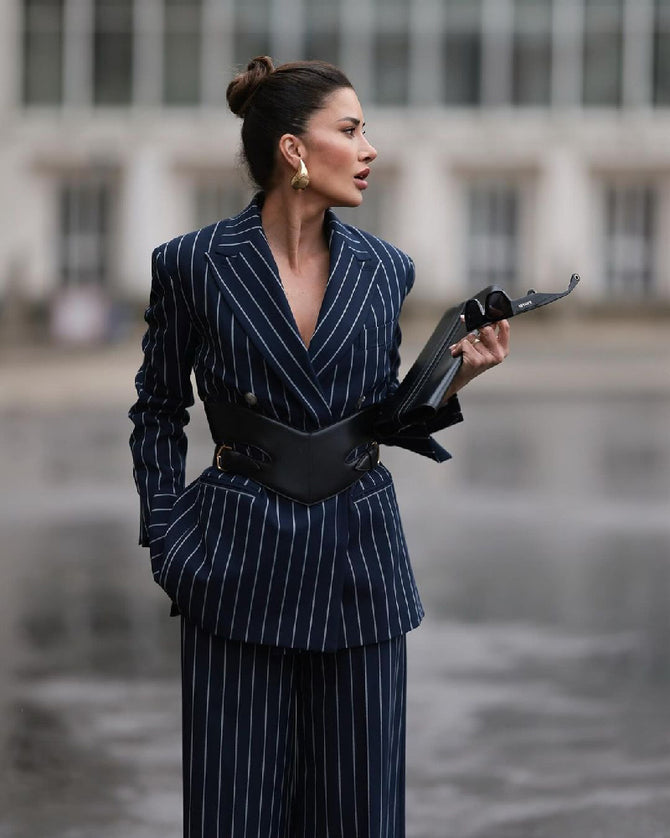
Yes, mother of the bride pant suits are absolutely wedding-appropriate—especially for modern venues, city weddings, or mothers who want maximum comfort. Look for elevated details like wide-leg trousers, crepe fabric, a well-defined waist, and a dramatic sleeve or cape overlay. Pair with refined heels and jewelry and it will read “formal” instantly.
A Smart Shopping Checklist (So You Don’t Buy a Closet Ornament)
Formalwear shopping is easier when you treat it like a system: inputs (dress code, season, venue), constraints (budget, comfort, coverage), and outputs (a dress you love in photos and in real life). Use this checklist before you click “checkout” or head to a boutique appointment.
- Confirm the formality: black tie, formal, cocktail, or semiformal.
- Decide the coverage: sleeves, strap width, neckline, and back height that feel comfortable to you.
- Pick a length: floor-length for formal, midi/tea-length for cocktail and daytime.
- Choose a color direction: coordinate with the couple’s palette and the other mother (complementary is usually best).
- Choose shoes early: the heel height affects hemming and posture in photos.
- Plan for weather: outdoor heat, evening chill, wind, and air conditioning.
- Budget for tailoring: hemming, straps, and waist tweaks are common.
- Do a comfort test: sit, walk, raise your arms, and take a few steps like you’re entering a ballroom.
- Photo test: snap a quick phone photo in natural light—shiny fabrics and pale colors can surprise you.
How to spot quality when shopping online
Product photos can be optimistic, so look for objective signs of good construction: fully lined bodices, clean seams, consistent pleating, and fabric descriptions that match the look (for example, “crepe” vs “polyester satin”). Customer photos are gold for checking sheen, transparency, and real-life fit. If a dress is unlined and very light in color, consider whether you’ll need slip layers or shapewear.
Common mistakes to avoid
- Buying too late: rush shipping and rush alterations are expensive and stressful.
- Ignoring the venue: stilettos + lawn = immediate regret; heavy beading + beach = uncomfortable.
- Choosing a “trend” over comfort: you’ll remember the day, not the micro-trend.
- Over-accessorizing: one statement element is powerful; five is noisy.
- Forgetting movement: you’ll hug, wave, sit, and dance—test it all.
Color Etiquette and Coordination (Without Becoming the Wedding Color Police)
Do mothers have to match?
No. Coordination beats matching. The goal is to look harmonious in photos without looking like you’re in a uniform. Many families choose complementary tones: one mother in navy, the other in a softer blue; one in champagne, the other in blush. If the couple has a palette, use it as a compass, not a cage.
Colors that photograph beautifully
These shades are popular for a reason—they’re flattering, timeless, and camera-friendly:
- Navy: elegant, slimming, works in every season.
- Champagne / taupe: soft neutrals that feel formal without stealing focus.
- Dusty blue / slate: modern, calm, great for outdoor weddings.
- Sage / eucalyptus: perfect for garden themes and spring/summer palettes.
- Plum / burgundy: rich and sophisticated for fall/winter.
- Silver / pewter: glamorous for evening weddings and black tie optional.

Colors to approach carefully
White, ivory, and anything that reads bridal should generally be avoided unless the couple explicitly requests it. Very pale blush can photograph as white in bright sunlight. Neon colors can look harsh in photos. And head-to-toe sequins can be stunning—but should match the formality of the event.
How to coordinate with the wedding party
Ask the couple (or the planner) what the wedding party is wearing, then choose a tone that complements. If bridesmaids are in dusty rose, consider deeper mauve, plum, or champagne. If the bridal party is in deep green, navy and metallics often work beautifully. The goal: you stand out as family, not as “accidental bridesmaid.”
Plus Size, Petite, and Modest Mother of the Bride Dresses
Plus size shopping tips
For plus size mother of the bride dresses, prioritize structure and comfort: supportive bodices, strategic draping, and fabrics with movement. Chiffon overlays, flutter sleeves, and wrap-style bodices tend to flatter many body types without feeling restrictive. Don’t underestimate tailoring—hemming to the right length and adjusting straps can make a dress feel custom.
- Look for dresses with lining and supportive seams.
- Choose V-necks or open necklines to elongate the neckline (unless you prefer higher coverage).
- Consider styles with sleeves, capes, or jackets if you want arm coverage without fuss.
Petite shopping tips
Petite mother of the bride dresses benefit from clean lines and proportional details. Extremely large prints or heavy embellishment can overwhelm a petite frame. Midi lengths can be especially chic, but hem placement matters—tailoring the hem to hit at the most flattering point (often just below the knee or mid-calf) can transform the look.
- Favor vertical details (pleats, seams, long lines).
- Avoid overly long sleeves that bunch; tailor sleeve length if needed.
- Choose shoes early so the hem can be set correctly.
Modest options that still feel modern
Modest mother of the bride dresses don’t have to look dated. High necklines can be elegant when balanced with good tailoring, beautiful fabric, and modern sleeve shapes. Consider illusion lace sleeves, structured crepe with a bateau neckline, or a dress with a matching chiffon jacket or cape. Modesty can be a design choice, not a compromise.
Shoes, Wraps, and Accessories That Finish the Outfit
Shoes: comfort is a formalwear superpower
Choose a heel height you can confidently wear for hours. Block heels, kitten heels, and dressy wedges are often more stable than stilettos, especially for outdoor venues. If the dress is floor-length, the shoe won’t be the star—comfort matters more than drama.
Wraps and jackets
For evening ceremonies, air-conditioned venues, or religious settings, a wrap can be both practical and stylish. Options include chiffon shawls, lace boleros, structured cropped jackets, and capelets. Try the wrap with the dress before the event so you know it stays put in photos.
Jewelry: pick one “hero” element
Let the dress lead. If your gown has beading, keep jewelry minimal—perhaps earrings and a bracelet. If the dress is sleek and simple, add a statement earring or a sparkling necklace. Aim for cohesion rather than maximum shine.
Handbags and finishing details
A small clutch is usually enough: phone, lipstick, tissues, and maybe a mini sewing kit (button emergencies are real). Neutral metallics like champagne or pewter match most color palettes and feel wedding-appropriate.
Shop Mother of the Bride Dresses at Uoozee
When you’re ready to turn ideas into outfits, explore curated formal styles designed for real celebrations—ceremony, photos, dinner, and dancing included.
- Browse elegant mother of the bride dresses for formal and semi-formal weddings
- Find timeless mother of the groom dresses in flattering silhouettes
- Discover modern options like midi dresses, sleeves, and polished jumpsuits
Shop Uoozee Formalwear Explore All Collections
Pro tip: If you’re shopping online, order early enough to allow for exchanges and alterations. Always double-check the size chart and plan your final fitting close to the wedding date.
FAQ – Where to Shop for Mother of the Bride Dresses
Where should I start shopping for mother of the bride dresses?
Start with the wedding dress code and venue, then browse online and in-store options to identify a few silhouettes and colors before buying.
Is it better to shop online or in a store?
Online offers convenience and size range; in-store offers immediate try-on and stylist help. Many mothers do both: research online, then try similar styles in person.
When should the mother of the bride buy her dress?
Ideally 4–6 months before the wedding, earlier if special ordering or customizing, and with enough time for alterations.
What colors are best for mother of the bride dresses?
Navy, champagne, dusty blue, sage, plum, and silver are popular because they photograph well and feel formal without competing with the bride.
Can the mother of the groom wear the same color as the mother of the bride?
Yes, but it’s usually nicer to coordinate rather than match exactly—choose complementary tones within the same level of formality.
What’s the most flattering style for most body types?
A-line and empire-waist dresses are widely flattering because they define the waist and skim the body comfortably.
Are pant suits appropriate for the mother of the bride?
Absolutely. A formal crepe pantsuit or jumpsuit with elegant accessories can be just as wedding-appropriate as a gown.
How do I choose the right size when shopping online?
Measure bust, waist, and hips, compare to the brand’s size chart, and choose based on your largest measurement. Tailoring down is usually easier than letting out.
Do I need alterations?
Most formalwear benefits from simple tailoring—hemming, strap adjustment, and minor waist shaping can make a dress look custom and feel more comfortable.
What should I avoid wearing?
Avoid white/ivory unless the couple requests it, avoid anything too casual for the dress code, and avoid outfits you can’t comfortably sit and move in.


